

The historic stone structure known as Bombay House, located in the Fort neighborhood of Mumbai, does not appear to be the brains of a $300 billion company. The hallways are small, and the ceilings aren’t very high. However, choices made in those rooms have influenced Indian industry for over a century. And many of those choices have been influenced by N Chandrasekaran for almost ten years.
It felt more like a rescue effort than a formal promotion when Chandrasekaran took over as chairman of Tata Sons in 2017 after Cyrus Mistry abruptly left the company. The group was split, bruised, and under constant scrutiny from competitors and investors. Few positions in Indian business may have required such immediate attention. A tense transition was made more symbolic by the fact that he was the first chairman not to have the Tata surname or be related by marriage.
Prior to that, he had established himself at Tata Consultancy Services, where he went from being a young employee in 1987 to becoming the CEO in 2009. His coworkers still remember him moving quickly through TCS offices and requesting operational information that many CEOs would overlook. Under his direction, TCS strengthened its margins and solidified its position as one of the biggest providers of IT services globally by aggressively expanding abroad. It appeared that investors thought he was a numbers guy first and a strategist second. Markets are frequently reassured by that combination.
| Category | Details |
|---|---|
| Full Name | Natarajan Chandrasekaran |
| Current Role | Chairman, Tata Sons |
| Appointed Chairman | January 2017 |
| Previous Role | CEO & MD, Tata Consultancy Services |
| Date of Birth | 2 June 1963 |
| Education | NIT Tiruchirappalli |
| Major Shareholder Influence | Tata Trusts (66% stake) |
| Headquarters | Bombay House, Mumbai |
| Reference | Tata Sons Official Website |
| Reference | Tata Consultancy Services Leadership |
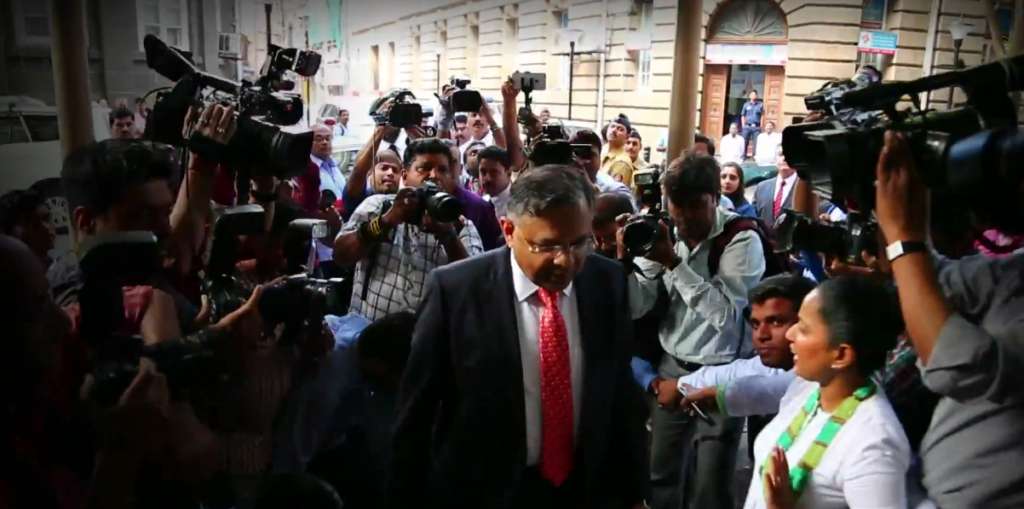
It was different to take over Tata Sons. The work involved juggling passenger cars in India and the UK, steel plants in Europe, airlines that were losing money, and a large philanthropic trust structure that owned 66% of the business. It’s a dizzying scale. Employees at the Tata Motors plant in Pune who report for work in the morning are unlikely to consider boardroom votes. However, their future is shaped by the fallout from those meetings.
During his tenure, Chandrasekaran has made some audacious wagers. Many were taken aback by the repurchase of Air India, which had once been a national symbol but was now a financial burden. He seemed to see more in that deal than just nostalgia. He noticed scale. As a network industry, aviation links the growing middle class in India to international markets. Although it is still unclear if that gamble will fully pay off, the integration process is already under way, changing routes and fleets.
Technology comes next. He benefited from outsourcing while he was in charge of TCS. In his capacity as chairman, he has been urging the group to focus on digital infrastructure, semiconductors, and artificial intelligence. One can observe the silent intensity of engineers debating machine learning models when strolling around TCS campuses in Hyderabad or Chennai. Investors appear cautiously optimistic that the group won’t miss this turn, as Chandrasekaran has publicly referred to AI as a civilizational shift.
However, leadership is rarely a straight line. According to reports this week, the Tata Sons board postponed making a decision about extending his tenure past 2027. It’s clear from the deferral itself. According to reports, Noel Tata, who currently leads Tata Trusts, expressed concern over losses in specific companies. The subtext is obvious: when capital expenditure cycles get heavier, even steady hands are scrutinized.
Unusually, Chandrasekaran proposed postponing the vote himself. It was a purposeful, almost subtle gesture. Instead of pressuring them to agree, he took a back seat. It seems that stability is more important to him than appearances as you watch this play out. Uncertainty still persists. Will he eventually be given a third five-year term by the board? Or is a quiet transition about to begin?
The Tata Group he inherited is not the same as the one that exists today. The main listed companies’ revenues have increased significantly. The group has doubled down on clean energy and electric vehicles, consolidated brands, and sold off non-core assets. Modernization projects are continuing in Jamshedpur, where Tata Steel’s furnaces shine in the night sky, lowering carbon intensity while attempting to maintain competitiveness on a worldwide scale. These changes are not minor ones.
Conglomerates, however, have a history. The group was founded in 1868 by Jamsetji Tata. In the late 20th and early 21st centuries, Ratan Tata shaped its global identity. In their long shadow, Chandrasekaran manages a portfolio that includes software and salt. Stability, rather than showmanship, may have been his greatest asset.
Additionally, there is a human element that is rarely highlighted. His early morning runs, disciplined routine, and preference for data over drama are all described by those who have worked with him. In a corporate culture that is frequently influenced by personality, it is a subtle style. Not very glamorous. That is sometimes the exact point.
The Tata Group is about to embark on a period of significant investment in semiconductors, renewable energy, and electric vehicles. These are long-term, capital-intensive wagers. It appears that investors think continuity would lower risk. However, board consensus and trust ownership shape the intricate governance dynamics within Tata Sons.
