

On January 7, Renee Nicole Good was shot and killed by an ICE agent in Minneapolis shortly after daybreak. Protests that had been simmering since the previous year were rekindled by the shooting, and within days, an unprecedented event occurred: a big data breach rather than a march or a proposed policy.
Approximately 4,500 U.S. Immigration and Customs Enforcement and Border Patrol workers’ names, personal information, and images were posted online on the ICE List website. The Netherlands-based platform didn’t try to conceal its intent. Its founder, Dominick Skinner, claims that the leak wasn’t an accident. It was “the final straw.”
The data comprised around 2,000 frontline agents in addition to administrative personnel. Many of them were unknown to the general population. Their anonymity was a widely accepted aspect of their work until recently, and it was rarely questioned outside of activist or legal circles. However, this time the information was purportedly turned over in protest by a Department of Homeland Security whistleblower.
It was not a chance moment. The shooting of Renee Good, who was an unarmed mother, according to her family, became the emotional focal point of a larger dispute concerning accountability, force, and concealment. Government officials condemned the leak as illegal and dangerous, but an increasing number of Americans started to wonder whether those in charge of upholding federal power should remain completely anonymous.
| Category | Description |
|---|---|
| Date of Leak | January 2026 |
| Source of Leak | Alleged DHS whistleblower |
| Data Exposed | Personal details of ~4,500 ICE & Border Patrol agents |
| Catalyst Event | Fatal shooting of Renee Nicole Good in Minneapolis by ICE agent |
| Hosting Platform | “ICE List” website, hosted in the Netherlands |
| Public Statements | DHS condemned leak; founder cited “last straw” moment for government insiders |
| Legal Status | Leak likely violates U.S. federal privacy and security laws |
| Security Implications | Threats to agents’ safety, rise in public tensions, protests nationwide |
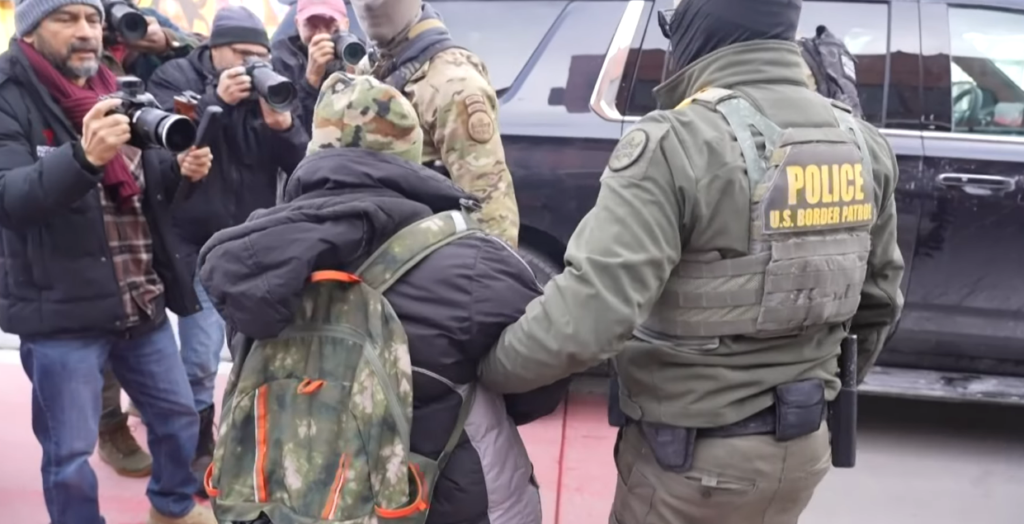
To highlight the threat to agents and their families, DHS Assistant Secretary Tricia McLaughlin referred to the leak as “an act that could constitute 4,500 felonies.” It wasn’t just she that raised the alarm. Cybersecurity companies, privacy watchdogs, and law enforcement unions all issued warnings about possible harassment, reprisals, and worse. The danger was part of the appeal, however, for those who provided the information or silently cheered the leak from the sidelines.
According to one expert, younger federal employees are becoming increasingly uneasy about the moral gray areas they are expected to work in. Transparency is now being viewed by some as a necessary corrective measure rather than a threat. This is the difference between this leak and previous breaches. It wasn’t caused by a compromised server or an enemy from abroad. According to reports, it was an internal choice.
Dates of service and images taken from publicly available social media accounts were among the entries on the ICE List. Some were from government sources that were kept secret. Volunteers helped with verification when the number of applications skyrocketed following Renee Good’s passing. Depending on how one interprets ICE’s function, it can be either activism or vigilantism.
The picture of one listed agent grinning next to a child on a fishing wharf made me hesitate—it was so ordinary, almost painful.
This leak involves more than just data. It all comes down to recollection. The remembrance of these actors’ identities, their actions, and the significance of protecting identities while upholding frequently contentious legislation. The idea that authority may operate in silence and without criticism is challenged. Silence like that could be effective, but it’s rarely innocent.
Proponents of the leak have compared it to past accountability initiatives, such as revealing the identities of corporate polluters or exposing sexual abuse by clergy in organizations that are protected. Critics contend that this is different because many of the people listed have not been charged with any crimes. And it might be the case. However, systemic impunity—rather than personal guilt—is the issue at hand.
By means of strategic collaborations with open-source researchers, ICE List broadened its scope and rapidly emerged as a focal point for public discourse. Whether the disclosure was considered criminal endangerment or protected expression was up for dispute among legal specialists. Civil liberties organizations cautioned about the precedent being set: can confidence ever be restored if transparency necessitates a violation?
It’s unknown what the long-term effects will be. According to reports, internal monitoring has stepped up and federal institutions have tightened their digital security procedures. However, fixing the cultural gap can be more difficult. It created a previously unexplored area: an open examination of who has actual federal power and how individuals who are affected by it feel.
The silence around its most personal component is far more striking than the leak itself. Renee is good. Her name now echoes across an issue that combines personal responsibility, ethics, and security, acting as both a trigger and a symbol. It remains to be seen if the ICE List modifies policy. However, it has already altered something more ethereal—the way we speak about those who represent us.
Some people listed on the website have amazingly resigned rather than filed lawsuits or denied anything. Some have discreetly departed from ICE completely. Others, no longer at ease with the digital trail, have removed their profiles from professional platforms. Strangely, the leak has given a force that formerly took pleasure in its anonymity a human face.
And that change might be the most significant of all.
