

They used to say that Gerardo Taracena never merely played a role—he inhabited it, wearing it like a second skin until it dissolved into his very movement. His death at 55, certified on January 31, 2026, by Mexico’s Asociación Nacional de Actores, has left an undeniable hush where previously there was extraordinary force. He didn’t merely act; he sculpted human stories into cinematic stone.
Many admirers are surprised by how frequently they have seen him without really understanding it, especially those who are not from Mexico. In movies like Man on Fire and Apocalypto, where he gave performances with an intensity that frequently exceeded the turmoil of the circumstances around him, his craggy yet expressive visage became a recurring presence. His roles as Batman in La Reina del Sur and Pablo Acosta in Narcos: Mexico not only advanced the plot but also increased the emotional stakes.
| Aspect | Details |
|---|---|
| Name | Gerardo Taracena |
| Born | 1970, Mexico City, Mexico |
| Died | January 31, 2026 |
| Profession | Actor and dancer (film, television, theatre) |
| Known For | Apocalypto, Narcos: Mexico, La Reina del Sur, Man on Fire |
| Breakout Role | Middle Eye in Mel Gibson’s Apocalypto (2006) |
| Final Projects | Prison Cell 211, Unburied, Welcome to the Family (2025) |
| External Reference | Gerardo Taracena on IMDb |
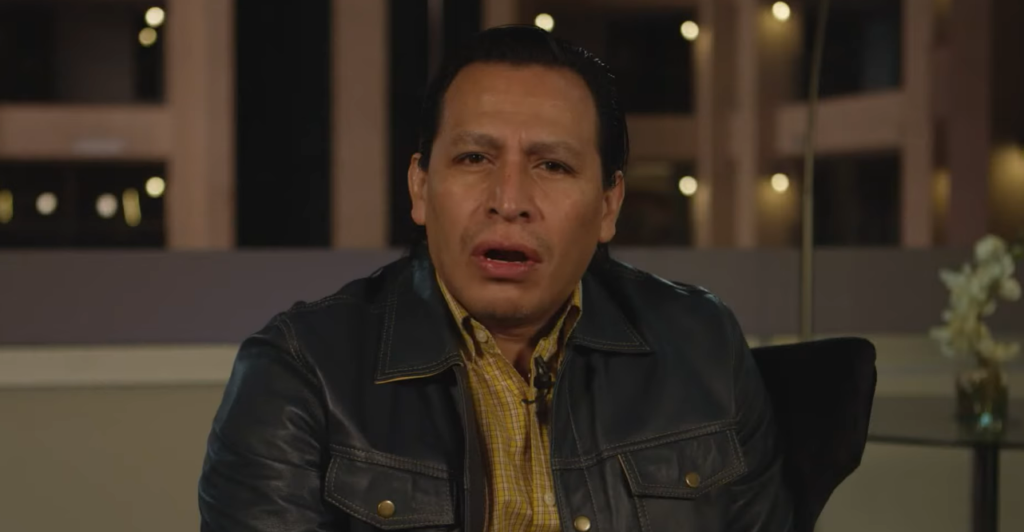
Taracena’s resume became noticeably more varied throughout the last ten years. From brutal criminal dramas to historical thrillers, he transitioned smoothly between Spanish and English productions. By cooperating with international filmmakers, he developed a career that quietly spanned borders. His portrayal of Middle Eye in Mel Gibson’s Apocalypto remains one of his most discussed performances—chilling, physical, and unflinching.
There was a moment in El Violín, a lesser-known film from 2005, where his character sat on a dirt road, saying nothing for about a minute. However, the quiet said a lot. Watching that again after his demise, I found myself holding my breath without even recognizing it.
Taracena’s performances were often shaped by his training in dance. Trained in movement before words, he brought a physicality to roles that made every gesture impact. He knew when stillness counted. He knew when a step forward could shout louder than dialogue. That instinct—refined and incredibly clear—allowed him to communicate something enduring without needing many phrases.
His death, while still surrounded by unexplained concerns, has triggered not just sadness, but a reevaluation of his artistic weight. Tributes from Mexican performers, stage directors, and even Latin American political experts have poured in. The frequency with which those communications highlight not only his skill but also his unseen kindness is especially remarkable. He wasn’t interested in commanding the spotlight—he was engaged in the work.
By incorporating theater discipline into film and television, Taracena helped establish a hybrid style of acting in Mexican media that balanced visceral presence with emotional restraint. For younger performers rising up through the country’s arts institutions, he was both a model and a challenge. He didn’t overact; he understood.
During the height of streaming service expansion in Latin America, his concerts reached wider audiences than ever before. Pedal to Metal and Unburied, two Netflix series in which he once again portrayed people balancing harshness and dignity, introduced him to a large audience. For first-time watchers, his visage often became a kind of anchor—the one performer you knew would offer something authentic.
What’s amazing, in retrospect, is how often he presented men tormented by power, allegiance, or silence. Those weren’t roles meant to amaze; they were built to endure. That’s why Taracena’s death felt like more than the loss of an actor. It seems to be a pause in a discussion about how to portray difficulty on TV without devaluing it.
Through clever casting, he often served as a bridge between blockbuster cinema and indie passion projects. You may see him share credits with international stars one month and then show up in a gritty guerilla film the next, just as devoted. Because of this adaptability, he was much more important and extremely flexible than his name recognition might indicate outside of Latin America.
For many Mexican houses, his presence was recognizable, like a family snapshot you didn’t remember taking but always knew. His roles didn’t merely represent personalities; they mirrored parts of a society that were often left out of glossier portrayals. And he did it without sensationalism—just reality, delivered straight.
In coming months, we’ll undoubtedly witness his reputation grow as film festivals create retrospectives and TV networks broadcast his most iconic work. He may even earn posthumous prizes, though it’s not sure he would have cared for those. Colleagues said that telling meaningful stories, even when they were painful, was what he valued most.
Actors like Taracena rarely become household names globally, yet their impact lingers in shadows created by greater lights. That is the odd shape of his legacy: wide-ranging, subtly powerful, and now acutely missed. His performances, especially the ones that relied less on words and more on presence, will continue to reverberate.
Reexamining his work allows us to trace the contour of a creative journey that remained grounded, textured, and emotionally genuine all the way to the very end, rather than merely remembering a man.
