

Particularly in the early morning when the air is cool and the rows of crops stretch out in perfect, almost indifferent lines, the Central Valley fields of California still exude a certain quiet weight. Cesar Chavez established his reputation in such settings—not in political offices or conference rooms, but in dusty orchards where laborers toiled for hours under a sun that didn’t give a damn about justice.
Chavez was born in 1927 into a family that was familiar with instability. He was shaped at a young age by losing their land during the Great Depression, relocating, and working wherever they could. His activism seems to have been lived, gradually absorbed over years of observing how power operated—and, more often than not, how it didn’t.
Chavez started organizing farmworkers in the early 1960s and was a founding member of the United Farm Workers union. The ensuing strikes, particularly the boycott of grapes, felt less like isolated demonstrations and more like a growing movement that was difficult to ignore. The story abruptly included grocery stores in cities far from the fields, where customers had to decide whether to support or oppose the movement.
| Category | Details |
|---|---|
| Full Name | Cesario Estrada Chavez |
| Born | March 31, 1927, Yuma, Arizona, USA |
| Died | April 23, 1993, San Luis, Arizona, USA |
| Profession | Labor Leader, Civil Rights Activist |
| Known For | Co-founding United Farm Workers (UFW) |
| Key Partner | Dolores Huerta |
| Major Achievements | Nonviolent labor strikes, farmworker rights |
| Awards | Presidential Medal of Freedom |
| Movement Focus | Migrant farmworker rights, labor justice |
| Reference Links | Wikipedia – Cesar Chavez, Cesar Chavez Foundation |
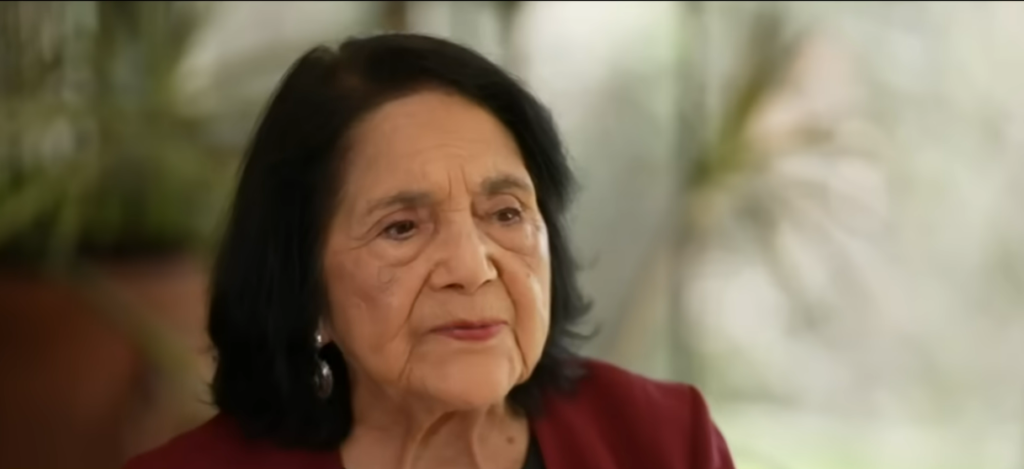
Chavez’s dedication to nonviolence, which frequently draws inspiration from leaders like Gandhi, is noteworthy. Workers organized, marched, fasted, and occasionally faced severe reprisals. The movement may have gained more support as a result of this moral framing, transforming what may have been a specialized labor issue into a national dialogue.
However, the reality on the ground remained uneven even during those times of advancement. Although contracts were won and conditions in some areas improved, the system as a whole took time to change. It seems that Chavez recognized that successes were fleeting, incomplete, and always in danger of disappearing.
His image solidified into an iconic one over time. schools bearing his name. In some US states, it’s a national holiday. His face is depicted alongside statements about justice and dignity in murals painted on city walls. It’s difficult to ignore how quickly intricate figures can be reduced to symbols in order to make them easier to understand.
Subsequently, the discourse has changed in recent years. Uncomfortable questions about the man behind the movement have been raised by allegations that surfaced decades after his death, prompting a reexamination of his legacy. A broader cultural moment where historical figures are being reevaluated with a more critical lens is reflected in some communities’ reconsideration of events and holidays bearing his name.
How these claims will ultimately affect public opinion is still unknown. For some, Chavez’s contributions to the struggle for labor rights are too great to be disregarded, making him a crucial figure in the movement. For others, the accusations cast doubt where certainty once existed, complicating that story. As this develops, there is a conflict between acknowledging group accomplishments and addressing personal shortcomings.
Additionally, there is a more general trend here that goes beyond Chavez. People with flaws who advocate for change while carrying their own contradictions are often the founders of movements. Whether societies choose to remember them as heroes, cautionary figures, or something in between may be the question.
The conditions are different, but not completely changed, when one walks through those same agricultural areas today. Employees continue to put in long hours, frequently in difficult situations. Although Chavez’s legacy is evident, it seems incomplete, as though the work he began is still being done in more subdued, unobtrusive ways.
