

The air in Delhi feels heavy enough to lean against by mid-afternoon. In order to protect themselves from the scorching gusts that seem to originate from an open furnace rather than the Yamuna plains, rickshaw drivers cover their faces with scarves. The pavement around Connaught Place shimmered visibly on a recent day when the temperature approached 49°C, giving the impression that the city was slowly melting.
Power grids are experiencing strain in ways that are both predictable and unnerving as India’s heatwaves break records. Peak electricity demand reached its highest level in the nation’s history in 2024, rising to almost 240 gigawatts. The figures seem intangible until you hear the roar of millions of air conditioners simultaneously cooling data centers, office buildings, and apartment complexes as they vie for relief.
| Category | Details |
|---|---|
| Country | India |
| Key Authority | India Meteorological Department |
| Power Oversight | Ministry of Power |
| Peak Power Demand (2024) | ~239.96 Gigawatts |
| Record Temperatures | Up to 50°C in parts of Delhi & Rajasthan |
| Climate Context | Heatwaves made at least 30x more likely by human-caused climate change (scientific attribution studies) |
| Official Weather Data | https://mausam.imd.gov.in |
| Power Sector Information | https://powermin.gov.in |
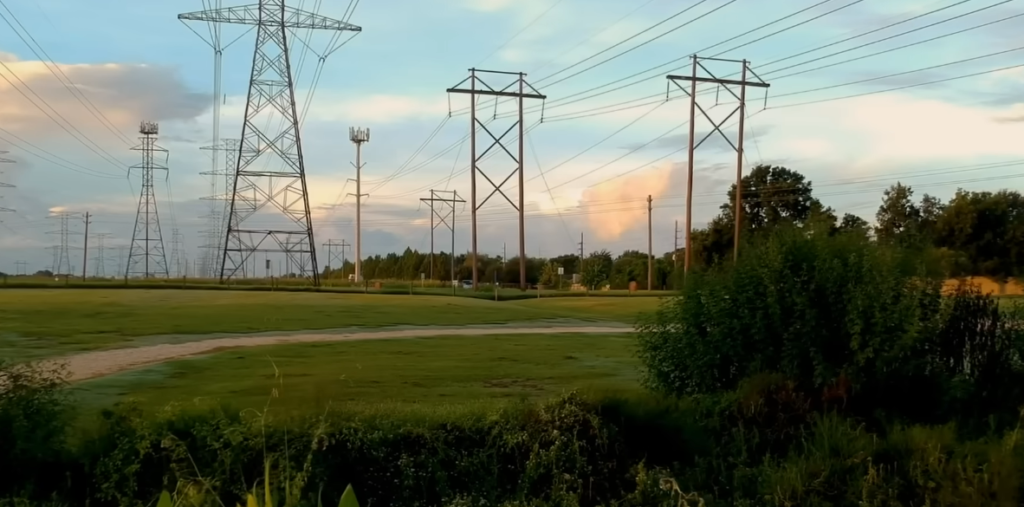
Some of the hottest March and April averages in more than a century of record keeping have been reported by the India Meteorological Department. Towns in Rajasthan have experienced temperatures close to 50°C. Once unthinkable, Delhi crossed symbolic thresholds. These temperatures might have been referred to as freak events ten years ago. They seem to be moving closer to routine now.
Cities react strangely to heat. By noon, parks are empty. Traffic is slowed down. It forces people inside, where they huddle around coolers and fans and put cold bottles to their necks. However, it also strains the electrical grid to its breaking point. During the hottest summer months, the demand for electricity has increased by almost 9%, mostly due to cooling. Given the rise in AC ownership in tier-two and tier-three cities, investors appear to think that India’s growing middle class will continue to push that curve upward.
You can see the strain. Power outages have returned with uncomfortably familiarity in a number of states. Sometimes factories pause production to prioritize residential supply, turning off industrial feeders first. In severe situations, thermal plant coal stocks have fallen to hardly enough for a week’s supply, requiring the government to use railroad capacity for coal transportation. It has been reported that in order to move fuel, passenger trains have been canceled or delayed. The symbolism of an economy rerouting itself merely to keep the lights on is difficult to miss.
Approximately 70% of India’s electricity is still generated using coal. That dependence seems like a lifeline and a trap at the same time. Coal plants, on the one hand, offer baseload stability that renewable energy sources are still unable to match. However, increasing coal use during heat waves only serves to strengthen the climate feedback loop. According to scientists, global warming has made early and severe heatwaves much more likely in South Asia. The cycle feeds itself, which begs the unsettling question of how long this equilibrium can last.
The effects on health are not hypothetical. Tens of thousands of suspected cases of heatstroke were reported in 2024 alone, and hundreds of deaths were confirmed. Physicians in Lucknow and Ahmedabad report that emergency rooms are overflowing with patients who are dehydrated and experiencing organ stress. Heat is an invisible killer that is frequently recorded in official records as respiratory failure or cardiac arrest. Whether mortality statistics accurately reflect the toll is still unknown.
Mohammad Ikrar, a fruit vendor outside of Noida, once talked about how he couldn’t afford a refrigerator and had to throw away spoiled mangoes. Fruit softening in the unrelenting heat and revenue vanishing by sunset are the images that stick in your mind. Millions of unorganized workers face the sun directly and lose money as temperatures rise while urban professionals argue over solar tariffs and grid upgrades. According to some studies, heat stress may cause India to lose almost 6% of its working hours by 2030. That is equivalent to the productivity of millions of jobs.
Operators of the grid are attempting to adjust. In order to predict demand spikes in the mid-afternoon, when solar generation is high but consumption is higher, digital monitoring systems now track load patterns in real time. Solar capacity has grown quickly, and on sunny days, it now accounts for a larger portion of peak demand. But the sun goes down. Demand doesn’t. Evening surges continue to be a delicate balancing act that calls for hydro, coal, and increasingly costly imports.
The urban heat island effect is another factor to take into account. Delhi’s asphalt, glass, and concrete retain heat long after the sun sets, maintaining high nighttime temperatures. The risk is increased by rising humidity in some areas of northern India, which restricts the body’s capacity to cool itself. Sweat cannot effectively evaporate in wet-bulb conditions, which are increasingly prevalent. It’s probable that some areas are getting close to the point at which prolonged outdoor labor becomes physically hazardous.
More than a hundred cities have implemented Heat Action Plans, which provide early warnings and point residents toward cooling centers located in shopping centers, temples, and government buildings. Some low-income communities are installing reflective “cool roofs,” which reflect sunlight away from tin buildings. Although these initiatives are positive, they seem insignificant in light of the difficulty of the situation.
One gets the impression from watching this develop that India is practicing for an already-arrived future. Although it creaks, the grid does not fall apart. Trains carrying coal travel through the night. Arid plains are covered with solar farms. In the meantime, the margin for error is reduced as temperatures rise a little bit every year.
Improvements in technology, such as battery storage, more intelligent distribution, and more renewable energy sources, might reduce the strain. Demand might also surpass reform, particularly if economic expansion persists. India’s history has always been one of adaptability and resiliency in the face of adversity. Heat, however, is an enemy of a different sort. It is indifferent, persistent, and cumulative.
