

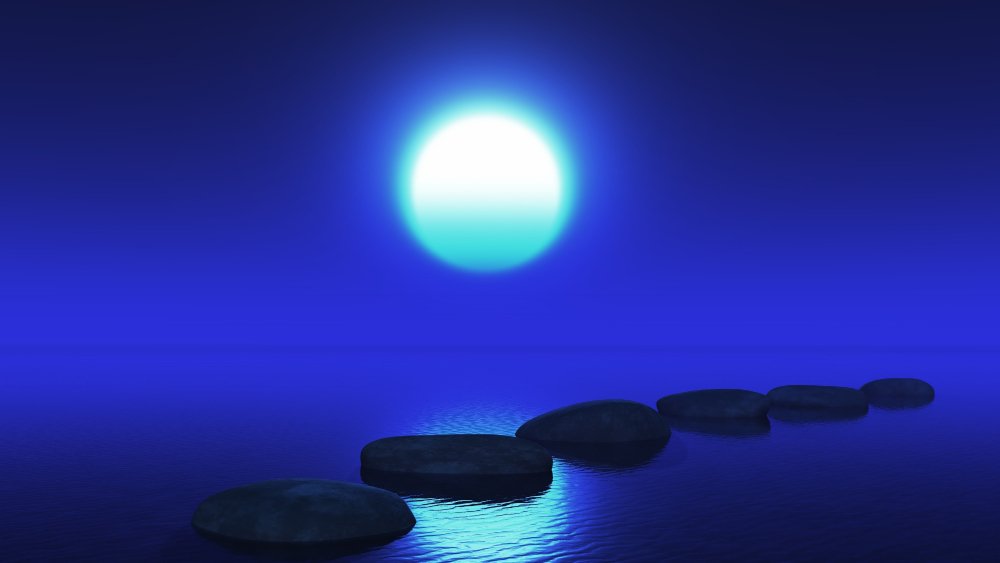
On a quiet beach in the Maldives, the night doesn’t always end with sunset. On certain nights, the sand itself starts to glow, a deep, otherworldly blue that softly pulses in time with the waves. It’s not artificial. It’s not planned. It seems to be the ocean’s way of showing off.
When I first saw it, I nearly didn’t believe what I was seeing. Tiny blue sparks followed my every step along the shore. My footprints shimmered, briefly outlined in light, then vanished beneath the next wave. There was no sound, no warning—just an electric hush that felt incredibly private.
| Feature | Description |
|---|---|
| Location | Vaadhoo Island, Raa Atoll, Maldives |
| Phenomenon | Bioluminescence – blue light in ocean water and wet sand |
| Caused By | Dinoflagellates (plankton) and ostracods (tiny crustaceans) |
| Light Activation Mechanism | Chemical reaction triggered by movement/disturbance |
| Ideal Viewing Period | Late summer to early winter, especially on dark, moonless nights |
| Experience Options | Walking barefoot on the beach, night snorkeling, minimal light pollution |
| Environmental Consideration | Avoid sunscreen, chemicals, and flashlights to protect marine microorganisms |
| Reliable Source | https://www.kuoni.co.uk/inspiration/bioluminescence-maldives |
This phenomenon, known as bioluminescence, is driven by organisms so small you can’t see them individually. Yet collectively, they produce a spectacle that can rival the night sky. The main contributors here are dinoflagellates, a type of plankton that release light when disturbed—by footsteps, waves, or the gentle swirl of a swimmer’s hand. Tiny crustaceans called ostracods can complement them and give the mixture a more durable glow.
By activating a reaction between luciferin and luciferase, these organisms generate light without heat. The process is highly efficient, and surprisingly delicate. A single wave breaking on the shore can trigger a soft explosion of light, while even a fingertip run across the surface can leave a glowing trail.
Vaadhoo Island has emerged as a destination for tourists looking for this natural wonder during the last ten years. However, there’s no assurance. That uncertainty adds to the allure. One evening may bring a dazzling display; the next, only darkness. There’s a patience required here that’s hard to find in most tourist spots.
Through careful observation, locals have come to recognize the signs. Clear, windless nights in late summer tend to be the most promising. When the moon is hidden, and the water calm, the sea sometimes sparkles in response. It doesn’t demand your attention—it invites it.
Photographers often describe the experience as both frustrating and rewarding. Capturing bioluminescence requires long exposures, stable hands, and a bit of luck. Some rely on makeshift tripods crafted from backpacks and driftwood. Others simply give up and sit in awe.
Doug Perrine, a marine photographer known for documenting elusive sea creatures, once described photographing this beach with nothing but a towel and patience. His images, ghostly and glowing, still can’t replicate the feeling of standing there, surrounded by a living canvas.
In the context of rising interest in sustainable tourism, these beaches offer something particularly innovative: a way to experience wonder without destruction—if treated respectfully. The organisms responsible for the glow are fragile. Sunscreens, chemical lotions, even the harsh light from a phone can disrupt or damage them. That’s why many conservation guides recommend avoiding swimming entirely on nights when the glow is most visible.
Still, for those who do venture in, night snorkeling offers an entirely different dimension. Swimmers find themselves outlined in flashes of light in a pitch-black environment. Bioluminescence radiates outward with each movement. It feels less like swimming and more like painting with motion.
Travelers can contribute to the preservation of this natural show by adopting low-impact travel practices. Simple acts—like using reef-safe products, walking barefoot, and turning off flashlights—make a tangible difference. It is also not constructed or manufactured, in contrast to many tourist destinations. It’s protected only by our restraint.
In recent years, similar bioluminescent activity has been recorded on other Maldivian islands, particularly in Baa Atoll and parts of Lhaviyani. These aren’t isolated miracles—they’re signs of an ecosystem that’s still, miraculously, intact. But if irresponsible tourists take over, it won’t remain that way.
That’s what makes the experience feel so urgent, yet so calming. It asks you to slow down. To put your phone away. To listen to the tide and notice how the light follows motion. For a few minutes, you’re not just watching nature—you’re participating in it.
One traveler I met there described it best. “It’s like walking through a dream,” she said. But it’s true. And because it’s real, you want to protect it.” I remember her scooping up a handful of seawater, watching it flicker softly before she let it fall through her fingers.
That image stayed with me. A glowing palm. A silent night. A brief moment was held and then let go.
Promoting low-impact interactions like this is especially advantageous because tourism is still one of the Maldives’ main economic drivers. In order to encourage visitors to experience the glow without disturbing it, local communities have already started to offer guided beach walks instead of large snorkeling tours. It’s a shift that prioritizes preservation over spectacle.
By collaborating with marine researchers, tour operators have also started monitoring bioluminescent activity—ensuring that sightings remain sustainable and informative. This kind of tourism isn’t about checklists or Instagram filters. It’s about bearing witness.
During the pandemic, many travelers sought out quieter destinations. Places where nature could still surprise. The Sea of Stars, as it’s often called, rose to quiet fame during that time—photos going viral not because they were edited to perfection, but because they felt impossibly honest.
And perhaps that’s the core of the experience. Honest light. sincere movement. Pure amazement.
Vaadhoo is not a place to be entertained. You go to keep in mind that not all beauty is constructed. That sometimes, the tiniest organisms—glowing, drifting, unbothered by your presence—can remind you how large a single moment can feel.
If you’re lucky, and the tide cooperates, you’ll see the beach light up beneath your steps. Not because you demanded it. But because, just this once, the ocean decided to say yes.
