

The teal-packaged bar, which was infused with mint and sweetened with dates, looked as pristine as the brand promised. However, stories about food safety don’t always begin with symptoms. First, they use a barcode.
Spring & Mulberry declared a voluntary recall of its Mint Leaf Date Sweetened Chocolate Bar on January 12. A single batch, designated #025255, was detected following the discovery of a possible Salmonella risk by third-party testing. Nobody had gotten sick. No public alarm, no enraged parents. Just a subtle shift, led by proactive quality assurance.
Most chocolate buyers feel that a recall is inconsistent with the brand’s reputation, particularly those who are inclined to “clean label” items. A dusty bar taken off a petrol station shelf was not this. Alongside handcrafted granola and adaptogens, it was a $10 treat that was frequently seen in carefully organized grocery displays. For both businesses and customers, this makes the recall remarkably akin to a reality check.
Spring & Mulberry identified the problem early by using independent laboratory testing. This action was especially advantageous for their brand credibility as well as their customers. In the end, salmonella is a public health issue rather than a branding one. It also serves as a reminder of the complexity and unanticipated fragility of food supply chains when it is discovered in unexpected places.
| Item | Details |
|---|---|
| Brand | Spring & Mulberry |
| Product Recalled | Mint Leaf Date Sweetened Chocolate Bar (2.1 oz) |
| Lot Number | #025255 |
| Recall Type | Voluntary |
| Contamination Risk | Possible Salmonella |
| Availability | Nationwide (retail and online), since September 15, 2025 |
| Announced By | U.S. Food & Drug Administration (FDA) |
| Reported Illnesses | None as of January 14, 2026 |
| Consumer Action Advised | Dispose of product, contact for refund |
| Contact Email | recalls@springandmulberry.com |
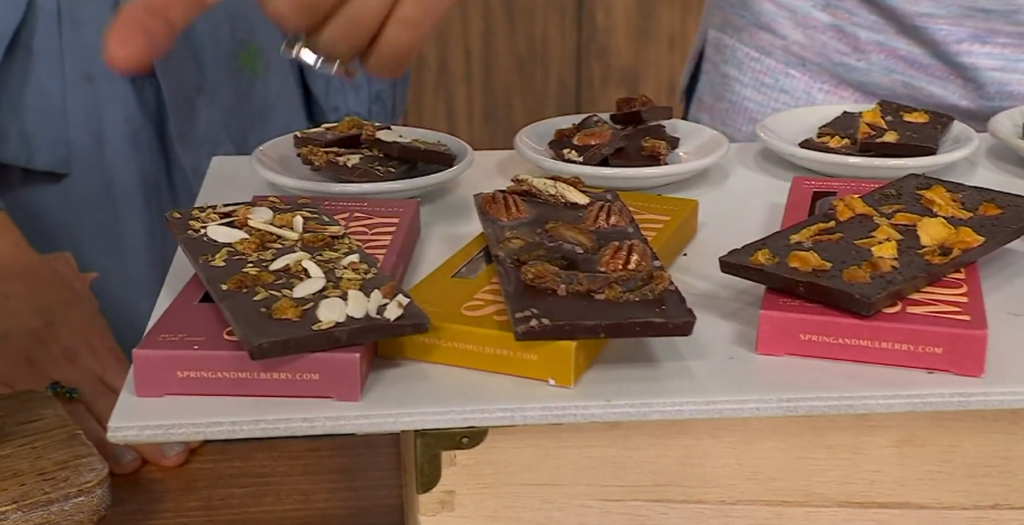
Since September 15, a few stores and internet orders had started distributing the impacted bars. The corporation chose to issue a nationwide alert even though only one batch was affected. Press releases and email were two incredibly flexible communication methods that guaranteed a quick, cohesive message.
Spring & Mulberry was very open about their protocol throughout the recall process. In order to get a refund, customers were instructed to throw away the bar and email a picture of the lot code. There was no legalese obscuring the instructions. They were easy to understand, straightforward, and actionable.
This recall was a test of trust in the context of boutique food brands, not just a test of logistics. Purity-promising brands also need to demonstrate preparedness. Here, Spring & Mulberry showed that contemporary food brands can manage risk in a way that is both sophisticated and extremely effective.
In Austin, I recall purchasing one of these bars from a concept store. The package exuded confidence and tranquility. You received the impression that the person who held it had carefully chosen the ingredients so you could discuss regenerative farming with them. I was really aback by the level of transparency with which that same brand handled the recall.
Harvesting, transportation, and packing are just a few of the ways that contamination might get in. Artisan brands that use organic ingredients are not exempt. This is the reason early detection systems are so unique. They assist in changing the focus from reaction to prevention.
The tone is what sets this remembrance apart. There is no defensiveness or ambiguity in the language. The announcement from the corporation was written in simple terms. It was earnest, but calm. That discipline is amazingly successful at a time when food panic may spread more quickly than infections.
Salmonella is an organism that is very adaptable and persistent. It can be found in powdered milk, peanut butter, and even dried spices. Even after processing, chocolate may still be contaminated if hygienic practices are not followed before or during manufacturing.
With the FDA’s help, the message spread quickly and remained on point. There was only a focus on consumer safety and traceability, no finger-pointing. The impact of recalls such as this one on public health has been greatly diminished since the introduction of improved food traceability programs. They are now interventions rather than merely responses.
A recall can be existential for tiny brands. Spring & Mulberry’s strategy, however, which included publishing pictures of the recalled packaging, keeping customer service accessible, and simplifying communication, held up quite well under duress. They did not vanish. They answered promptly and with clarity.
In the upcoming years, responsiveness will probably be more important to consumers than perfection. As important as flavor will be transparency. Additionally, a business might gain enduring loyalty if it can demonstrate that it takes accountability seriously, even when the issue isn’t immediately apparent.
This teaches us an important lesson: companies not only survive but also grow when risk is managed quickly and honestly. Our understanding of artisanal food safety has significantly improved as a result of this recall’s quiet efficiency, which was driven by testing and customer care.
Additionally, Spring & Mulberry’s recall might end up being a moment of quiet strength rather than reputational harm, even though no business wants to have their product taken off the shelves. Because a brand’s strength ultimately lies in how it manifests itself when things go wrong, not just in the flavor it offers.
