

Observing Paul Atreides motionless in the desert is unsettling. Before he moves, the wind lifts the sand in thin, whispering sheets. But it’s more than just the silence. It’s the feeling that he already knows what will happen next, as though all of his progress has already been made in a future from which he is powerless.
Paul appears to be a well-known character at first. A well-trained, noble son who is surrounded by expectations. There is a gentleness to Arrakis in the early scenes as he watches the peculiar Fremen rituals, listens more than he speaks, and continues to try to comprehend the significance of his inheritance. It’s possible that audiences will want to stick with this version of Paul. The reluctant successor. The boy has not yet been molded by prophecy.
| Category | Details |
|---|---|
| Full Name | Paul Atreides (Paul Muad’Dib) |
| Creator | Frank Herbert |
| Universe | Dune Series |
| First Appearance | Dune (1965 Novel) |
| Titles/Aliases | Muad’Dib, Lisan al-Gaib, The Preacher |
| Family | Son of Duke Leto Atreides & Lady Jessica |
| Spouse | Princess Irulan |
| Children | Leto II, Ghanima |
| Abilities | Prescience, Combat Mastery, Strategic Leadership |
| Portrayed By | Timothée Chalamet (Recent Films) |
| References | Wikipedia – Paul Atreides, Dune Wiki |
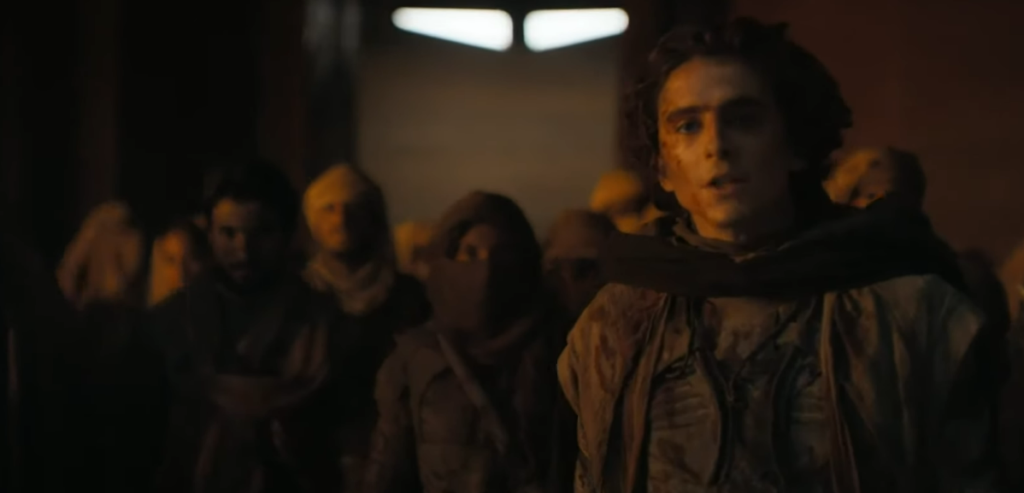
However, something changes. Silently at first. He doesn’t undergo a dramatic metamorphosis after drinking the Water of Life and seeing too much too soon. Rather, it seeps in, altering his gaze and the length of time he takes to respond to inquiries. He speaks less like a son and more like someone who is already in charge at one point, which is frequently missed. As you watch that happen, you get the impression that the shift is more of a surrender than a decision.
Paul Atreides defies easy categorization, which makes him challenging to define. He inspires and leads, but he is not a true hero. Despite the fact that his actions initiate something much darker, he is not wholly a villain. Millions of people die in his name, and the jihad that follows him looms large over his narrative like an unavoidable shadow. It’s still unclear if he genuinely thinks he can stop it or if he just goes in the direction where the harm seems to be contained.
The way that power transforms him is particularly tense. As Muad’Dib stands in front of the Fremen, he transforms from a human being into a larger, more difficult-to-control symbol. The masses chant. The desert reverberates. However, there is a sense of unease behind that spectacle. In this world, power does more than just elevate; it also amplifies, distorts, and demands something in return. Paul appears to be aware of this, which makes his decisions seem even more difficult.
A glimpse of what might have been is provided by his relationship with Chani. There’s a feeling of something grounded, almost everyday, in more subdued times—away from the politics and the prophecy. However, those are fleeting moments. A change is indicated by the deliberate and strategic choice to wed Princess Irulan. Love takes a backseat. It becomes a matter of strategy. It’s difficult to ignore how that choice feels more like resignation than ambition.
Additionally, there is the issue of foresight, which seems potent until you examine it closely. Paul appears to be trapped rather than set free by seeing the future. His options are reduced by each vision, leading him to choices he might otherwise reject. It presents an unsettling question: are you still making decisions if you can see every path, or are you just going with the least awful one? Paul doesn’t seem totally convinced, and the answer is unclear.
His story takes a darker turn in its later chapters. Isolation increases. Allies grow aloof. Even successes seem meaningless because they come at an ever-increasing expense. Paul feels as though he is being carried by events rather than directing them, like a character acting out a prewritten script. Even as the repercussions of his actions worsen, it’s difficult to watch this unfold without feeling a little sorry for him.
Paul Atreides occupies a unique position in terms of culture. Although he appears to be a conventional chosen one, his journey gradually undermines that notion. His ambiguity feels almost disruptive in a time when audiences are accustomed to clear heroes. In contrast to what many anticipate, he does not save the world. If anything, he makes things more difficult by making us reevaluate the true meaning of destiny and leadership.
It’s noteworthy how his tale still has resonance, particularly as new film adaptations bring him back into the spotlight. A young man aging too quickly under pressure he never fully asked for is captured in the portrayal, which is frequently intense and slightly withdrawn. Those performances have a subtle weariness, as though the future is constantly bearing down on them.
Paul Atreides is ultimately still a challenging case. Even he doesn’t seem to fully comprehend who he has become. None of the titles—prophet, tyrant, or hero—quite describe him. Instead, the image of someone moving forward with a certainty that feels more like a burden than a gift, even though they are aware of where the path leads, lingers.
