

The situation has progressed far beyond a simple licensing dispute, somewhere between Elon Musk’s pinned X post and the dry suggestion by the South African presidential spokesperson that there are 192 additional markets available. A tech billionaire who made his fortune in part by operating outside of traditional borders and governments that have firmly and patiently decided that their regulatory frameworks are not optional for foreign companies—regardless of who owns them—are currently at odds throughout Southern Africa.
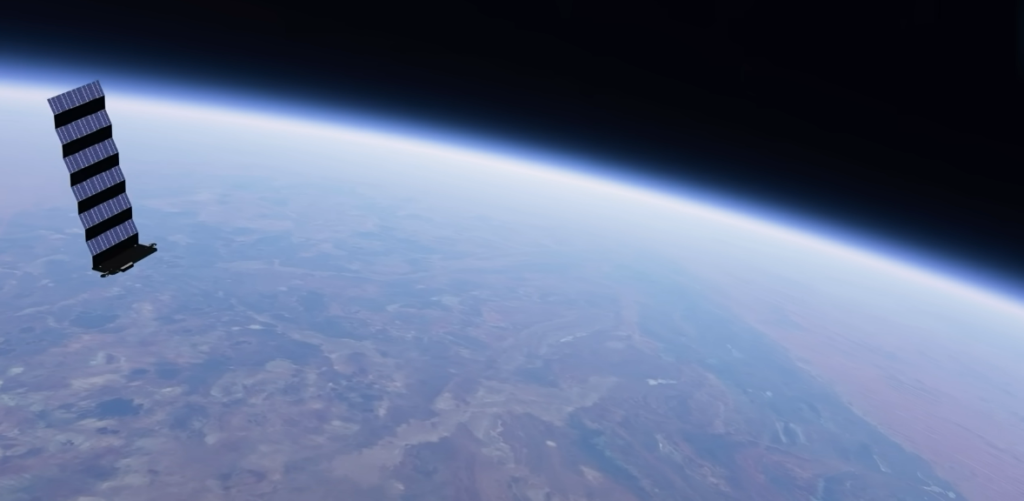
Musk’s SpaceX company, Starlink, is unable to lawfully launch in South Africa. The specific reason is that, as part of the nation’s Black Economic Empowerment framework, South Africa’s Independent Communications Authority mandates that telecom licensees give at least 30% equity to historically underrepresented groups. Musk has consistently chosen to voice his refusal to comply in the loudest possible way. He claimed that South Africa had “many times” offered Starlink the chance to get a license by creating a Black figurehead for the local organization in a post on X that he pinned to the top of his own profile. This was a public statement rather than a private grievance. He said that he declined on principle and described the entire regulatory environment as reverse racism.
| Category | Details |
|---|---|
| Company | Starlink (satellite internet division of SpaceX) |
| Parent Company | SpaceX |
| CEO | Elon Musk |
| Countries Affected | South Africa, Namibia |
| Regulatory Body (SA) | Independent Communications Authority of South Africa (ICASA) |
| SA Regulatory Requirement | 30% equity ownership by historically disadvantaged groups (B-BBEE) |
| Namibia Requirement | 51% local ownership threshold |
| Starlink’s Proposed Alternative | Equity Equivalent Investment Programmes (EEIPs) |
| Starlink’s Community Offer | Free hardware and subscriptions worth R500 million; internet for 5,000 rural schools |
| SA Communications Minister | Solly Malatsi (directed ICASA to incorporate EEIPs) |
| Public Submissions Supporting EEIPs | ~15,000 substantive submissions; 90% in favor |
| US Companies Operating in SA | More than 600, according to South African officials |
| Namibia Rejection Date | March 2026 |
| Musk’s Current Status | Barred from launching in both countries; announced plans to resist |
South Africa’s response was restrained but direct. More than 600 US companies are currently operating in the nation in full compliance with local legislation, according to Presidential spokesperson Vincent Magwenya. This is a quietly devastating piece of context. The Department of International Relations’ head of public diplomacy, Clayson Monyela, adopted a more satirical stance, likening Musk to a young diner who wasn’t impressed by his ice cream. This comparison went viral for roughly twelve hours before anyone had a chance to fully comprehend the argument. Musk used an expletive in response. There was no improvement in the diplomatic atmosphere.
The discrepancy between Musk’s public statements and what Starlink’s own regulatory team has been stating in official submissions is what makes this more complicated than a straightforward nationalist vs. multinational standoff. Although Musk has called B-BBEE requirements “openly racist” on X, Starlink’s attorneys have been claiming in official channels that the company genuinely supports South Africa’s transformation goals; it just wants to fulfill them through an alternative mechanism known as an Equity Equivalent Investment Programme, or EEIP. Instead of diluting ownership under an EEIP, a foreign company invests about 25% of the yearly value of its local operations in approved transformation projects. This is what mining companies do. It’s done by tech companies. Starlink claims that because ICASA’s telecom licensing rules do not acknowledge the same mechanism that other industries regularly accept, they are an anomaly.
It’s a sound technical argument. Additionally, it seems to be gaining momentum in certain respects. Following a public consultation process in which approximately 90% of the 15,000 substantive submissions supported the change, Communications Minister Solly Malatsi formally ordered ICASA to update its regulations to incorporate EEIPs. Starlink has offered R500 million in hardware and subscriptions, as well as free internet access at 5,000 rural schools. These are not insignificant obligations in a nation where large rural areas still lack dependable broadband access. There is a sense that the licensing situation in South Africa might actually improve if Musk would just let his regulatory team do its job and cease publishing offensive content on his own platform.
However, it seems that this restraint is not available. There is still diplomatic fallout from the harm caused by the “white genocide” narrative that Musk promoted in 2025. This claim was widely dismissed in South Africa as inflammatory and untrue. Musk’s influence was evident when South African President Cyril Ramaphosa visited Washington in May 2025 with the express purpose of mending ties with the Trump administration. When you’ve spent the last few months accusing the nation’s government of racism on a platform with hundreds of millions of users, it’s difficult to enter a licensing office on good terms.
The situation in Namibia demonstrates that this issue is not exclusive to South Africa. Starlink’s application was categorically denied by Namibia’s Communications Regulatory Authority in March 2026 due to the company’s noncompliance with a 51% local ownership requirement. Observing the South Africa dispute, a neighboring nation independently came to the same conclusion. It’s important to pay attention to that kind of regional alignment.
It’s still unclear if Musk’s public behavior has poisoned the well too much for a technical solution, or if the ICASA regulatory update will truly end the impasse in South Africa. There is a genuine demand for Starlink throughout the region, as evidenced by the fact that people are importing kits at their own expense and connecting through expensive roaming plans. The unanswered question that hangs over all of this is whether Musk’s strategy of loud public confrontation simply hardens official resistance further, or whether that demand eventually puts pressure on governments to move faster than their regulatory timelines allow.
Disclaimer
Nothing published on Creative Learning Guild — including news articles, legal news, lawsuit summaries, settlement guides, legal analysis, financial commentary, expert opinion, educational content, or any other material — constitutes legal advice, financial advice, investment advice, or professional counsel of any kind. All content on this website is provided strictly for informational, educational, and news reporting purposes only. Consult your legal or financial advisor before taking any step.
