Imagine a child at a movie theater opening one of those enormous boxes of nerds—the rainbow kind, the ones that rattle when you shake them, the ones that have been a mainstay of American childhood since the 1980s. Imagine now that one of those boxes has more arsenic in it than the child should ingest in a year. In a federal class action lawsuit filed in February 2026, that is the main allegation, and it hasn’t quietly disappeared.
On February 4, 2026, Christina Anstett, a mother, filed the lawsuit, Anstett v. Ferrara Candy Company, in the Northern District of Illinois. Anstett claims that she frequently bought Ferrara products and gave them to her young child. The 38-page complaint is based on independent laboratory testing carried out by the state of Florida as part of a larger initiative to create “clean and transparent food systems.” To put it mildly, the results of Florida’s lab’s testing of samples from ten distinct Ferrara candy varieties that were bought at typical retail establishments were not what a candy company wants to be reported in a federal filing. According to the lawsuit, eight out of ten products tested positive for toxic levels of arsenic. The worst offenders were Banana Laffy Taffy, where four pieces allegedly exceed the same threshold, and Sweet Tart Ropes, which the complaint claims exceed an entire year’s recommended arsenic exposure in less than half a package.
Nerds Class Action Lawsuit: The Candy Your Kids Eat Every Day May Contain Toxic Levels of Arsenic
| Category | Details |
|---|---|
| Company Name | Ferrara Candy Company |
| Headquarters | Chicago, Illinois, USA |
| Parent Company | Ferrero Group |
| Products Implicated | NERDS, Laffy Taffy, Sweet Tarts, Sweet Tarts Ropes, Trolli Gummies, Black Forest Gummy Bears |
| Case Name | Anstett v. Ferrara Candy Company |
| Case Number | 1:26-cv-01304 |
| Filed | February 4, 2026 |
| Court | U.S. District Court, Northern District of Illinois |
| Lead Plaintiff | Christina Anstett |
| Plaintiff’s Attorney | Blake Hunter Yagman, Schonbrun Sepow Harris Hoffman & Zeldes LLP |
| Key Allegation | Products contain toxic levels of arsenic; consumers not warned |
| Testing Source | State of Florida independent laboratory |
| Finding | 8 of 10 Ferrara candies tested positive for toxic arsenic levels |
| Recall Issued? | No |
| Industry Response | National Confectioners Association denied the test findings |
| Prior Lawsuit | Gruber et al v. Ferrara Candy Co. (2019) — artificial flavors in Nerds, Runts, Gobstoppers; settled |
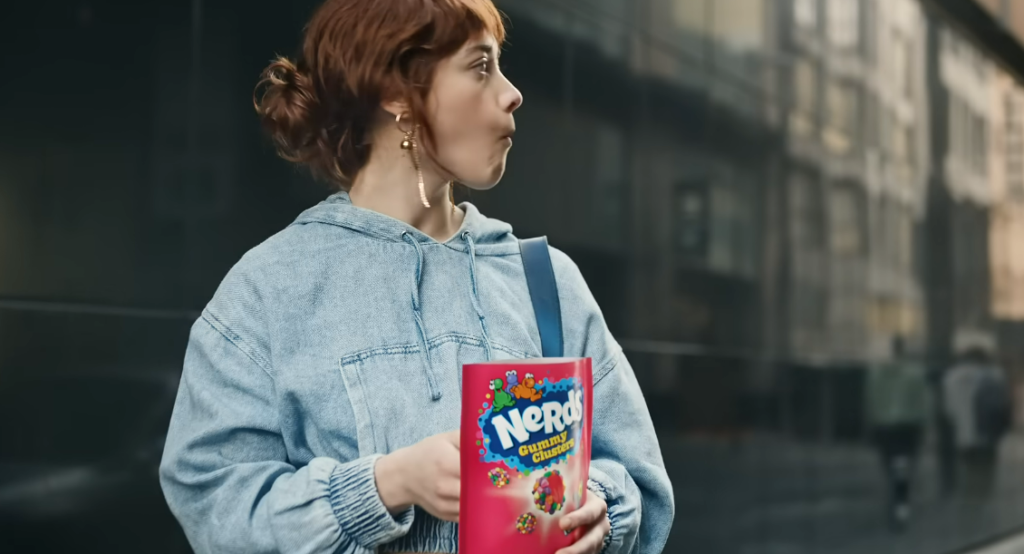
There hasn’t been a recall from Ferrara, which is owned by the massive Italian confectionery company Ferrero and sells its goods at almost all of the major American retailers. The results of Florida’s testing program have been refuted by the National Confectioners Association, which bills itself as the biggest candy trade association in the nation. The company’s stance is that there isn’t an emergency, at least as suggested by the absence of any product withdrawals. It’s still unclear if Ferrara’s confidence stems from a calculation that the legal and PR costs of a recall would be greater than challenging the claims in court, or if it is based on science that Ferrara hasn’t yet made public. Businesses in comparable circumstances have previously placed that wager, sometimes with success.
The nature of the contaminant itself makes it especially hard to ignore the arsenic allegation. Arsenic is not a manufacturing byproduct that was inadvertently spilled into a sugar syrup vat. Regulators have long known that this naturally occurring heavy metal builds up in some food categories and enters food systems through contaminated soil, water, and agricultural inputs. Both the American Academy of Pediatrics and the FDA have identified arsenic as hazardous to children at any significant exposure level. It is categorized as a known human carcinogen by the WHO. According to the complaint, Ferrara not only neglected to check for the presence of arsenic but also neglected to disclose it, selling goods to a market that it knew was primarily made up of children based on the packaging’s design.
The final point is the one that persists. Ferrara’s candy brands are sold in bright, cartoonish packaging with whimsical names, according to the lawsuit, which also claims the company is well aware that children are its main target market. That framing is especially unsettling because it eliminates any doubt about who is most at risk if the arsenic findings hold up under scrutiny, which is not surprising given that candy companies have always marketed to children. In recent weeks, parents who have read the comment sections on lawsuit tracking websites have reported experiencing vertigo, nausea, stomach pain, and ER visits. They have linked these symptoms to their candy consumption in anecdotal ways that are difficult to completely discount when the underlying lab data is located in a federal court filing.
Due to its candy lineup, Ferrara has previously been the target of a class action lawsuit. A different lawsuit filed in 2019 claimed that the company had misrepresented the absence of artificial flavors in Nerds, Runts, and Everlasting Gobstoppers while actually using synthetic malic acid. After a settlement, the case was willingly dismissed. The current lawsuit comes at a time when consumer awareness of heavy metals in food has been growing for years, partly due to broader findings about arsenic in rice, baby food, and fruit juice that garnered significant regulatory and media attention throughout the early 2020s. The lawsuit is much more serious in terms of its potential health implications.
Every American consumer who bought Black Forest Gummy Bears, Laffy Taffy, NERDS, Sweet Tarts, Sweet Tarts Ropes, or Trolli products at any time during the relevant statute of limitations is included in the lawsuit’s broad definition of the class. The plaintiff claims that customers paid more for goods they would not have purchased if they had known about the arsenic content, and they are requesting actual damages, restitution, disgorgement of profits, and legal fees.
Observing all of this, it seems like this case is coming at a time when consumers and judges are growing impatient with the discrepancy between what food is advertised and what it truly contains. The courts will have to decide whether the Florida testing methodology can withstand the scrutiny that Ferrara’s legal team will unavoidably apply to it. However, the candy is still on the shelves because no recall has been issued while the lawsuit moves through the legal system. Parents continue to purchase it. Children continue to eat it by the handful, and the businesses involved are still awaiting a judge’s ruling.
Disclaimer
Nothing published on Creative Learning Guild — including news articles, legal news, lawsuit summaries, settlement guides, legal analysis, financial commentary, expert opinion, educational content, or any other material — constitutes legal advice, financial advice, investment advice, or professional counsel of any kind. All content on this website is provided strictly for informational, educational, and news reporting purposes only. Consult your legal or financial advisor before taking any step.