

The brand’s promises are all around you when you walk into any Starbucks on a weekday morning. You can hear the espresso machine hissing, hear the marker squeaking across a cup, and see the line of people waiting for their names to be called while staring at their phones. The carefully chosen phrase, “Committed to 100% Ethical Coffee Sourcing,” which has been a part of Starbucks’ public identity for years, appears on the menu boards and on the coffee bags piled close to the register. Every Starbucks coffee bag bears this claim. It is part of what sets the green-siren cup apart from a gas station pour and helps to justify the higher price. In January 2026, a federal class action lawsuit was filed in Washington state, directly contesting the veracity of the claim.
Customers Jennifer Williams and David Strauss filed the lawsuit, Williams, et al. v. Starbucks Corp., on January 13, 2026. Hagens Berman, one of the nation’s most active consumer protection firms, represented them. There are two separate threads to the complaint, each of which is uncomfortable in a different way. The first challenges Starbucks’ sourcing claims, claiming that the company’s C.A.F.E. Practices certification program—the foundation for all those “ethical sourcing” labels—has been used for years on farms that were concurrently found to be committing grave human rights violations by labor advocates, governments, journalists, and United Nations agencies. Workers are allegedly coerced into hazardous situations without wearing protective gear. Housing is deemed unacceptable. local labor law infractions. All on farms bearing the Starbucks ethical sourcing seal. According to the lawsuit, Starbucks refused to reveal any corrective action it was taking after being made aware of these infractions.
Key Information Table
| Detail | Information |
|---|---|
| Case Name | Williams, et al. v. Starbucks Corp. |
| Case Number | 2:26-cv-00112 |
| Court | U.S. District Court for the Western District of Washington |
| Judge Assigned | Hon. Michelle L. Peterson |
| Defendant | Starbucks Corporation |
| Lead Plaintiffs | Jennifer Williams and David Strauss |
| Date Filed | January 13, 2026 |
| Case Status | Active |
| Law Firm for Plaintiffs | Hagens Berman Sobol Shapiro LLP; Richman Law & Policy |
| Lead Attorneys | Steve W. Berman; Catherine Y.N. Gannon; Kim E. Richman |
| Allegation 1 — Ethical Sourcing | Starbucks labels claim “Committed to 100% Ethical Coffee Sourcing”; lawsuit alleges C.A.F.E.-certified farms documented for labor abuse, dangerous conditions, housing violations, child labor — with Starbucks allegedly failing to disclose or remediate |
| Sourcing Program Named | C.A.F.E. (Coffee And Farmer Equity) Practices |
| Allegation 2 — VOCs in Decaf | Independent testing detected methylene chloride (22 ppb), benzene (28 ppb), and toluene (87 ppb) in Starbucks decaf house blend medium roast coffee |
| EPA Standards Comparison | Methylene chloride: unsafe at any level per EPA; Benzene: detected at 23 ppb above EPA safe level; Toluene: not authorized as food ingredient |
| “100% Arabica” Claim Challenged | Lawsuit alleges this claim misleads consumers about what they’re actually consuming |
| Legal Claims | Washington and New York consumer protection statutes; common law fraud |
| Relief Sought | Damages, restitution, injunctive relief |
| Starbucks Response | Stated allegations are “inaccurate”; said it “maintains visibility” into supply chain and audits farms |
| Related Employee Lawsuits | Class actions in Colorado, Illinois, California over failure to reimburse dress code clothing costs |
| Prior Related Case | 2018 California lawsuit over acrylamide (by-product of roasting); dismissed 2020 |
| Prior Canada Lawsuit | Proposed class action over non-dairy milk surcharges for lactose-intolerant customers |
| Hagens Berman Background | Nationally recognized consumer protection firm; $345+ billion in total settlements secured |
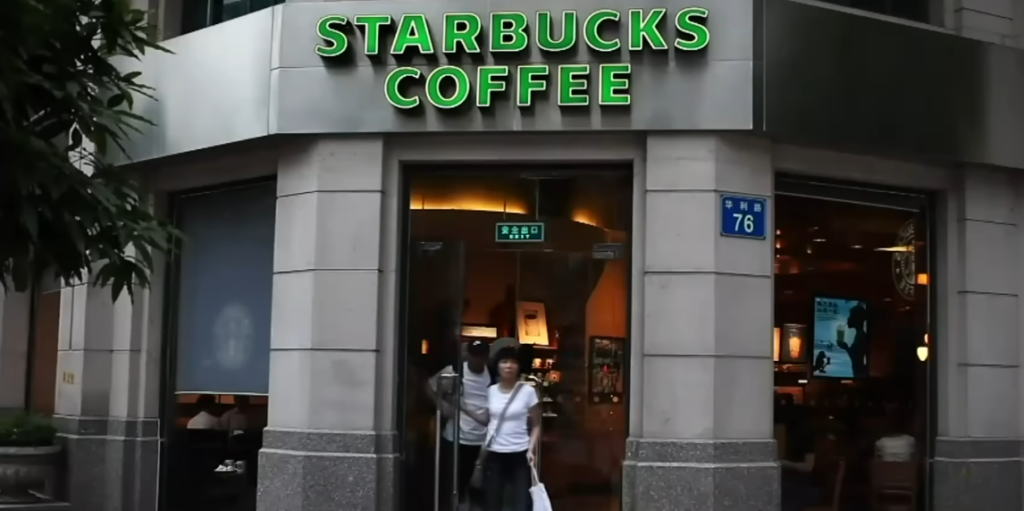
The second thread is more visceral right away. Three volatile organic compounds—methylene chloride, benzene, and toluene—were found in independent testing of Starbucks’ decaf house blend medium roast coffee at levels the lawsuit claims surpass EPA safety regulations. At 22 parts per billion, methylene chloride—a chemical that the EPA deems dangerous for ingestion at any concentration—was found. The amount of benzene, which the World Health Organization and the EPA both recognize as a human carcinogen, was 28 parts per billion, or 23 parts per billion, above the EPA’s safe threshold. According to the lawsuit, toluene, at 87 parts per billion, is not permitted as a food ingredient or processing aid under U.S. regulations and is more frequently linked to industrial manufacturing, adhesives, and paint thinners than with anything you’d expect to find in a drink ordered at a coffee counter.
The decaf accusation is especially confusing. Customers who purchase decaffeinated coffee frequently do so due to health concerns, such as caffeine sensitivity, medical advice, or pregnancy. Chemical solvents may be used in the decaffeination process itself, and the lawsuit contends that the testing results show residue from that industrial process that was never disclosed to customers. The complaint contends that Starbucks’ “100% Arabica coffee” claim deceives consumers into thinking they are purchasing a simple, pure product, but independent testing indicates the reality is more nuanced than that label suggests.
Starbucks retaliated. According to a company representative, the accusations are “inaccurate” and Starbucks regularly audits farms, keeps an eye on its supply chain, and responds to infractions. Although it makes sense from a legal strategy perspective, the company’s initial response did not address the specific chemical testing data, leaving the fundamental scientific question unanswered in any significant public way. The methodology employed by the plaintiffs’ independent testers may be contested during discovery, or the company’s own testing may produce different results.
It’s important to put this case in perspective as we watch it develop. Starbucks has previously faced legal scrutiny. After years of legal wrangling, a different judge dismissed the 2018 California case that sought warnings about acrylamide, a natural byproduct of roasting coffee beans. The case was dismissed in 2020. The nature of the current lawsuit is different. It concerns purported industrial chemical residue from decaffeination and sourcing claims that the plaintiffs contend have been refuted by documented evidence for a full decade, rather than a naturally occurring byproduct of the roasting process. It is much more difficult to write this off as fear mongering when those two accusations are combined.
The case is still pending. On legal tracking websites, there have been over 1,100 comments from customers asking to join the class. In the end, the Seattle trial court will decide whether the accusations are true, whether the class is certified, and what information is revealed about Starbucks’ internal knowledge of its decaffeination chemistry and supply chain conditions. For the time being, the lawsuit has raised an issue that won’t go away: what precisely does a business owe the customers who trust it when it prints an ethical pledge on each bag it sells?
Disclaimer
Nothing published on Creative Learning Guild — including news articles, legal news, lawsuit summaries, settlement guides, legal analysis, financial commentary, expert opinion, educational content, or any other material — constitutes legal advice, financial advice, investment advice, or professional counsel of any kind. All content on this website is provided strictly for informational, educational, and news reporting purposes only. Consult your legal or financial advisor before taking any step.
