A rabbi invited a few friends to his rented house to pray somewhere in the mid-1990s on a peaceful residential street in Old Westbury, one of Long Island’s wealthiest villages, a place of horse farms, gated driveways, and the kind of civic tranquility that wealth tends to buy. That was all. That was the start. After the landlord expelled him for it, Rabbi Aaron Konikov’s life was consumed by a series of events that culminated in a $19 million federal settlement that had an impact far beyond the boundaries of one Nassau County enclave.
Between that prayer meeting in 1994 and the consent decree signed on March 18, 2026, a complex story took place. Eventually, Konikov, an emissary of Chabad-Lubavitch, bought a nine-acre plot of land on Glen Cove Road in Old Westbury and started building a synagogue. His group was organizing a formal dedication ceremony by 1999. Officials from Old Westbury noticed. A new ordinance governing houses of worship was passed by the village in March 2001, which mandated that religious structures be built on at least 12 acres of land. Konikov had nine. The math wasn’t done by accident.
The Village of Old Westbury was accused of violating the rabbi’s constitutional right to freely practice his religion in the subsequent lawsuit, which was filed in federal court in 2008. From the start, the case involved the use of zoning language to achieve goals that direct religious discrimination is unable to. Over the years, the village provided additional explanations, such as worries about traffic, parking, noise, and improperly filed permit applications. These are the kinds of objections that seem procedural until you realize they only came to light when a particular congregation attempted to construct a particular building. According to court documents from 2023, at least two of the initial defendants passed away before the case was resolved. They had been outlasted by the case.
Important Information: Old Westbury Chabad Synagogue Lawsuit
| Detail | Information |
|---|---|
| Plaintiff | Rabbi Aaron Konikov / Lubavitch of Old Westbury |
| Defendant | Village of Old Westbury, New York |
| Religious Organization | Chabad-Lubavitch movement |
| Location of Dispute | Glen Cove Road, Old Westbury, Nassau County, Long Island, New York |
| Property Size | 9 acres (owned by Rabbi Konikov) |
| Village Requirement | Minimum 12 acres for houses of worship (per 2001 ordinance) |
| Lawsuit Filed | 2008 (Federal Court) |
| Dispute Origin | 1994 (Rabbi renting in Old Westbury, held prayer gatherings) |
| Ordinance Passed | March 2001 (Village altered zoning laws targeting religious construction) |
| Presiding Judge | U.S. District Judge Gary R. Brown (fourth judge assigned to case) |
| Key Ruling | October 2025 — 2001 ordinance ruled “unconstitutionally discriminates against free exercise of religion” and “facially invalid” |
| Consent Decree Signed | March 18, 2026 |
| Settlement Amount | $19 million |
| Payment Source | Village’s insurance providers |
| Payment Deadline | April 15, 2026 |
| Construction Permit Deadline | January 15, 2027 |
| Planned Synagogue Size | 20,875 square feet with adjacent parking lot |
| Rabbi’s Attorney | Eric Robinson |
| Total Duration of Legal Battle | 18 years (lawsuit) / 34 years (from original dispute) |
| Related Precedent | Village of Atlantic Beach paid Chabad of the Beaches $950,000 in similar case, July 2025 |
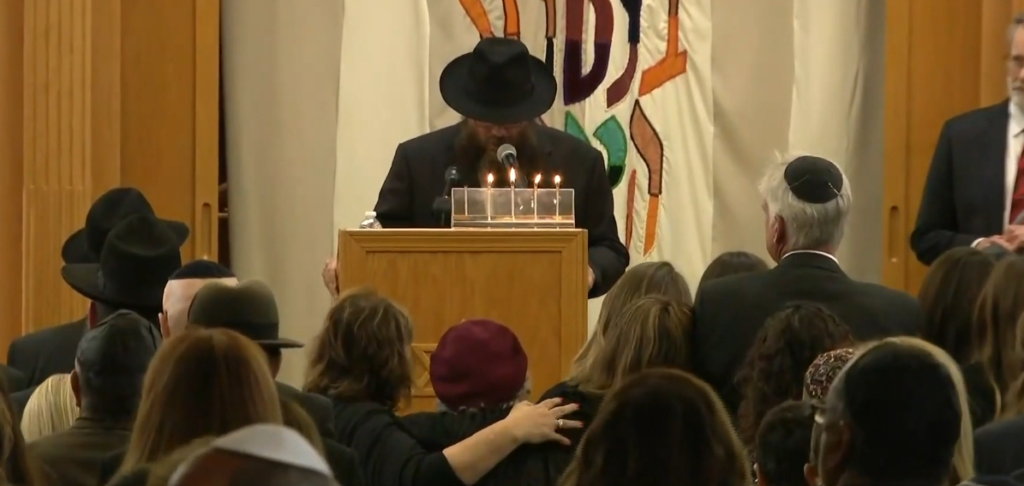
The fourth judge assigned to the case, U.S. District Judge Gary R. Brown, ultimately rendered a decision in October 2025. He wrote that the 2001 ordinance “is facially invalid because it unconstitutionally discriminates against the free exercise of religion.”” There isn’t much room for interpretation in that type of language. When a law is deemed facially invalid, it means that it was unconstitutional both as written and as applied. After that, Brown gave the parties instructions to negotiate a settlement, which resulted in the consent decree he signed in March. By April 15, Konikov and his congregation will receive $19 million from the village’s insurers. Old Westbury’s Lubavitch has until January 15, 2027, to submit an application for a special-use permit and start building. A 20,875-square-foot structure with a parking lot is depicted in preliminary plans.
In a statement, Eric Robinson, Rabbi Konikov’s lawyer, put it simply: “Rabbi Konikov struggled for 34 years to reach this point. He is appreciative of the Constitution and the Court’s participation. The legal documents don’t adequately convey the weight of that sentence, which is 34 years. This started during the early days of the internet, when Old Westbury was already affluent, peaceful, and unreceptive to change, and when a rabbi hosting prayer meetings in a rented home seemed to be a disruption worthy of legislation. Municipal administrations, legal teams, and individual defendants were all affected by the case. It concluded with a building permit and a check.
The case fits into a pattern that the Chabad-Lubavitch movement has frequently encountered as it has grown both domestically and abroad. The movement employs emissaries, known as shluchim in the custom, to set up centers in communities that occasionally accept them and other times do not. The Village of Atlantic Beach in New York agreed to pay Chabad of the Beaches $950,000 to resolve a legal dispute over a community center in July 2025, just months before the Old Westbury ruling. The size of the proposed synagogue and the length of the legal battle are reflected in the Old Westbury settlement, which is significantly larger. The Atlantic Beach settlement, which came right before Judge Brown ordered talks in Old Westbury, might have added to the resolution’s momentum.
After closely examining the 2001 ordinance, it seems that Old Westbury’s legal position was never very strong. Two years after Konikov publicly announced plans to build on his nine-acre property, a law requiring 12 acres for houses of worship was passed. This kind of targeting tends to look worse the longer courts look at it. The village defended an ordinance that a judge eventually declared to be unconstitutional on its face during eighteen years of federal litigation. The price of that choice is $19 million. The rabbi has been waiting since 1994 to construct the synagogue, which is now finally allowed to be built on Glen Cove Road.
Disclaimer
Nothing published on Creative Learning Guild — including news articles, legal news, lawsuit summaries, settlement guides, legal analysis, financial commentary, expert opinion, educational content, or any other material — constitutes legal advice, financial advice, investment advice, or professional counsel of any kind. All content on this website is provided strictly for informational, educational, and news reporting purposes only. Consult your legal or financial advisor before taking any step.