

A piece of evidence from the murder trial—a bicycle with the helmet still hanging off the side where she had left it after a ride—appears on screen at one point in The Truth and Tragedy of Moriah Wilson, which is currently available on Netflix. When it was introduced, the courtroom fell silent, according to producer Evan Hayes. The family seated in the gallery was profoundly impacted. It’s a tiny, specific detail that has a greater impact than nearly everything the documentary says out loud about the crime itself because it depicts the trace of a life that was cut short in mid-motion by someone who waited and calculated the timing.
On May 11, 2022, Moriah “Mo” Wilson, then 25, was shot three times in a friend’s East Austin apartment. She had traveled to Texas to compete in the Gravel Locos race, which many predicted she would win. Colin Strickland, a fellow cyclist who had deleted their texts, listed her under a false name on his phone, and misled his girlfriend Kaitlin Armstrong about his whereabouts that evening, had gone swimming with her earlier that evening. Armstrong used the fitness app Strava to monitor Wilson’s movements. Prior to the shooting, surveillance footage showed Armstrong’s black Jeep Grand Cherokee close to the apartment. A jury spent less than three hours deliberating. She was given a 90-year sentence with the possibility of parole after 30. Days before the documentary debuted at SXSW in March 2026, the Texas Third Court of Appeals upheld the verdict.
| Documentary Title | The Truth and Tragedy of Moriah Wilson |
|---|---|
| Streaming Platform | Netflix (globally from April 3, 2026) |
| Runtime | 1 hour 37 minutes |
| Director | Marina Zenovich (Emmy Award winner) |
| Producer | Evan Hayes (Academy Award winner) |
| World Premiere | SXSW, Austin, Texas — March 12, 2026 |
| Subject | Anna Moriah “Mo” Wilson (August 11, 1996 – May 11, 2022) |
| Moriah Wilson’s Background | Raised in Kirby, Vermont; Dartmouth College graduate (engineering); formerly nationally ranked junior skier; professional gravel cyclist |
| Date and Location of Murder | May 11, 2022 — Austin, Texas (friend’s apartment, night before Gravel Locos race) |
| Perpetrator | Kaitlin Armstrong — convicted November 16, 2023 |
| Sentence | 90 years in prison (eligible for parole after 30 years); currently at Dr. Lane Murray Unit, Gatesville, Texas |
| Colin Strickland’s Role | Professional cyclist; last known person to see Wilson alive; briefly dated Wilson during hiatus from Armstrong |
| Foundation | Moriah Wilson Foundation — established 2023; distributed $140,000+ to youth sports access programs |
| Annual Event | Ride for Mo — 52-mile gravel route, Burke Mountain/Kingdom Trails, Vermont (May 9, 2026) |
| Documentary Inspired By | Bicycling magazine’s 2022 feature story |
| Reference Links | Netflix — The Truth and Tragedy of Moriah Wilson / Bicycling Magazine — Moriah Wilson Coverage |
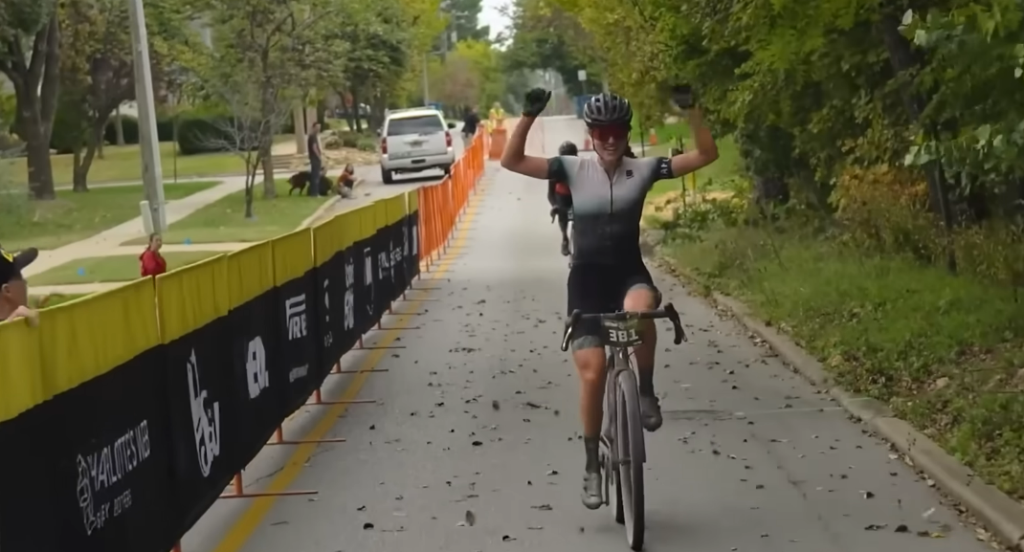
Marina Zenovich, the film’s director, was attempting to rectify the coverage rather than the verdict. Armstrong, the fugitive, the yoga instructor, the woman who fled to Costa Rica, had cosmetic surgery to alter her appearance, assumed a false identity, and was apprehended 43 days after U.S. Marshals posted a fictitious job advertisement for a yoga teacher in Santa Teresa, was the focal point of the true crime machine that came together around this case. Yoga Teacher Killer: The Kaitlin Armstrong Story was the title of the 2024 Lifetime movie. The subtitle contained Wilson’s name. The title of the documentary is a clear correction. The phrase “The Truth and Tragedy” centers on Mo Wilson’s experience rather than the narrative of the person who brought it to an end.
Moriah’s family served as the inspiration for the movie. Participating were her brother Matt, parents Karen and Eric Wilson, and home videos, personal journals, and pictures of Mo as an eight-year-old skiing down a Vermont slope with the kind of natural speed that suggests talent arrives before training has time to shape it. What sets this documentary apart from all others is the journals. They show a young woman deliberately asking herself what kind of person she wanted to become and what kind of impact she wanted to leave. An actress read them for the movie, and the family approved certain parts of them. The journals reveal a person who approached both activities with the same intentionality. She was racing on the weekends and studying engineering at Dartmouth during the day.
The family took some time to decide whether or not to take part. Citing the Bicycling magazine article that had initially focused on Wilson’s life, producer Evan Hayes cautiously approached them. He said he wanted to create a movie that would motivate his daughter. That was a deciding factor, according to Karen Wilson later. The family requested that there be more of Mo and less crime after seeing an early cut. That request is reflected in the final product; while the procedural aspects are present and expertly handled, they do not serve as the documentary’s main focus. The person is the spine.
Zenovich claimed to have heard a pin drop during the movie’s SXSW premiere in Austin, the city where Armstrong was tried and Wilson passed away. Attending that premiere was like closing a chapter for Matt Wilson. People telling Karen that they felt like they had gotten to know her daughter was the most poignant feedback she received afterward. Wilson was not a supporting character in Armstrong’s story, which was the claim the family had made from the start and that the media had mainly refused to address. She was a professional athlete at the height of her career, actively articulating her purpose and creating a community, but she was killed before she could complete the sentence.
While watching the documentary, it’s difficult to avoid feeling that the media criticism at its core is both accurate and a little lacking. The journals are accessible to the movie, but it only shares a portion of them. Strickland appears on screen, but critics have consistently pointed out that he adds nothing new. He is present, clearly changed, and silent about what he truly understands about the inner workings of this situation. The movie is structurally and emotionally honest about its own shortcomings. It is unable to address the queries it poses regarding Wilson’s knowledge of the danger she faced. It can insist that the woman who was killed be remembered for the life she was leading rather than the circumstances surrounding her death, and it does so with great care. On May 9, the Ride for Mo gravel race takes place in Vermont. More than $140,000 has been given to youth sports access initiatives by the Moriah Wilson Foundation. She would have recognized the family’s transformation of grief as her own creation.
Disclaimer
Nothing published on Creative Learning Guild — including news articles, legal news, lawsuit summaries, settlement guides, legal analysis, financial commentary, expert opinion, educational content, or any other material — constitutes legal advice, financial advice, investment advice, or professional counsel of any kind. All content on this website is provided strictly for informational, educational, and news reporting purposes only. Consult your legal or financial advisor before taking any step.
