

Sometimes the heat doesn’t make a loud announcement. Occasionally, it quietly settles in, extending the afternoon sun a little bit farther than it used to and lasting longer into the evening. Fishermen in a Bangladeshi coastal town watch the water creep a few inches higher than it did the previous season while their boats rock in warmer tides that feel strangely heavy. The numbers are attempting to depict that type of change.
The World Meteorological Organization has now verified what many had suspected but may not have fully realized: the 11-year period between 2015 and 2025 is the warmest since the start of modern records. Eleven years in a row. No real relief, no pause, no correction.
It’s possible that this moment is unsettling because of the repetition itself.
Climate warnings used to seem like isolated headlines: extreme storms here, record heat there. However, this feels different. This pattern has been consistent and uninterrupted for over ten years. It is more difficult to ignore patterns.
Researchers have begun concentrating on something less obvious than heatwaves or melting glaciers inside climate labs and data centers, where screens glow with temperature graphs rising in uneven but undeniable lines. They refer to it as the “energy imbalance.”
To put it simply, the Earth is taking in more heat than it is releasing.
It sounds almost technical and abstract. However, the concept is easier to understand when you’re standing on a busy street in Phoenix or Karachi on a late summer evening, when the air seems immobile and trapped. The heat isn’t just coming; it’s staying.
According to scientists, this imbalance is mostly caused by greenhouse gases, which accumulate in the atmosphere and subtly change the planet’s capacity to cool itself. Furthermore, it is difficult for that balance to return once it has changed. It lingers. It builds up.
| Category | Details |
|---|---|
| Organization | World Meteorological Organization (WMO) |
| Parent Body | United Nations |
| Key Finding | 2015–2025 are the 11 warmest years on record |
| Temperature Rise | ~1.43°C above pre-industrial levels (2025) |
| Key Concern | Earth’s “energy imbalance” increasing |
| Ocean Impact | ~90% of excess heat absorbed by oceans |
| Ice Trends | Accelerating glacier melt, low sea ice levels |
| Risk Outlook | 80% chance next 5 years exceed recent records |
| Reference 1 | UN News – Climate Warning |
| Reference 2 | WMO Official Report |
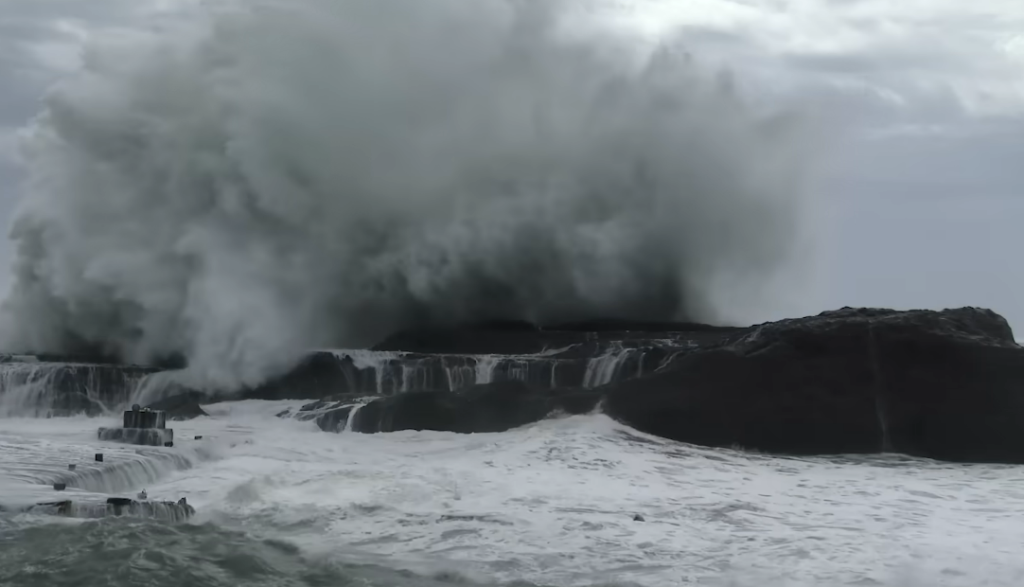
The location of the majority of that extra heat is startling. Not the atmosphere. Not the territory. the seas.
Water absorbs about 90% of the additional energy, which is both encouraging and concerning. Certain immediate effects can be postponed because oceans are better at storing heat than air. However, as they warm, they start to alter in ways that have a knock-on effect, intensifying storms, upsetting marine ecosystems, and gradually raising sea levels.
It’s difficult to ignore the impression that the ocean is absorbing more than just heat when watching videos of coral reefs bleaching or fishermen adapting to changing fish patterns. It’s absorbing the fallout.
There is an odd kind of contrast in the last year. Temperatures should have dropped more sharply during a cooling La Niña phase. Nevertheless, 2025 continues to be one of the hottest years on record.
That particular detail sticks.
The baseline has changed so much that “cooler” still refers to historically hot conditions, even when natural systems attempt to cool things down. It’s similar to turning down the volume on an already loud song; the noise doesn’t go away.
Scientists are beginning to believe that global warming is accelerating rather than just continuing. Not drastically, not in a way that grabs attention right away, but gradually enough to cause unease. Whether current models accurately depict how quickly this acceleration might occur is still up for debate.
The 1.5°C threshold, which has subtly turned into a line in the sand, is another. With recent temperatures already approaching that threshold, the world is currently perilously close to it.
There won’t be an instant disaster if you cross it. However, it does mean moving into an area where extreme weather is becoming more common and less uncommon, as scientists have long warned. That change is already apparent in some areas.
Vineyards in southern Europe are modifying their harvest schedules, causing grapes to ripen earlier than anticipated. Farmers in some parts of Africa are forced to make difficult crop decisions as rainfall patterns become less predictable. These scenes aren’t dramatic. They are small disturbances that build up over time. And maybe that’s why it’s more difficult to comprehend the situation.
It cannot be summed up in a single moment. There was no obvious turning point. Just a sequence of minor adjustments that reinforce and repeat one another.
There is a perception that public opinion continues to lag behind the facts. Many people talk about climate change as a problem for the future, something that is coming but not quite here. However, the 11-year run implies something different—that the future has been subtly developing for some time.
Officials’ language appears to be changing as well. terms like “record,” “imbalance,” and “accelerating.” less cautious than previously. a little more urgent. But there are limits to urgency.
Individuals make minor adjustments, such as installing air conditioners, altering routines, and adapting rather than transforming, while nations continue to debate policies and businesses consider costs. It resembles a gradual negotiation with reality.
Disclaimer
Nothing published on Creative Learning Guild — including news articles, legal news, lawsuit summaries, settlement guides, legal analysis, financial commentary, expert opinion, educational content, or any other material — constitutes legal advice, financial advice, investment advice, or professional counsel of any kind. All content on this website is provided strictly for informational, educational, and news reporting purposes only. Consult your legal or financial advisor before taking any step.
