

The wind came before the eye did. People in western Jamaica remember the sound: a low mechanical roar that got louder and louder, shaking zinc roofs and bending coconut palms until they looked like they were bowing. By the time Hurricane Melissa made landfall on October 28, 2025, it was already rewriting history.
The numbers still don’t seem real. The highest sustained winds were raised to 190 miles per hour, making the storm the strongest ever recorded in the Atlantic by wind speed, along with Hurricane Allen in 1980. At its lowest point, its pressure dropped to 892 millibars, making it one of the deepest cyclones ever recorded. Later, meteorologists at the National Hurricane Center said that the intensification was one of the most dramatic in the history of modern tracking. That sounds like a doctor. It was a disaster on the ground.
In the Westmoreland parish, whole neighborhoods made of wood were flattened. There were still concrete houses, but many of them had no roofs or windows, so rain could get in from the side. It’s hard not to see how the landscape changed: banana fields were torn apart, and power lines were tangled like fishing nets across roads. The hurricane’s slow forward motion made the damage worse because it ground against the island instead of quickly passing through.
Forty-five Jamaicans died. The death toll in the Caribbean was 95. The storm caused about $8.8 billion in damage to Jamaica alone, which is about 41% of the island’s GDP in 2024. That number sticks with me. It will take investors and policymakers years to figure out how long it will take to recover, but for families in Santa Cruz or Black River, the math feels more personal.
| Category | Details |
|---|---|
| Storm Type | Category 5 Atlantic Hurricane |
| Peak Winds | 190 mph (165 knots) |
| Minimum Central Pressure | 892 mb |
| Jamaica Landfall | October 28, 2025 (near New Hope) |
| Fatalities | 95 total (45 in Jamaica) |
| Estimated Damage (Jamaica) | $8.8 billion USD |
| Reporting Agency | National Hurricane Center |
| Regional Health Response | Pan American Health Organization |
| Official Report | National Hurricane Center Report |
| Regional Impact Overview | PAHO Hurricane Melissa Update |
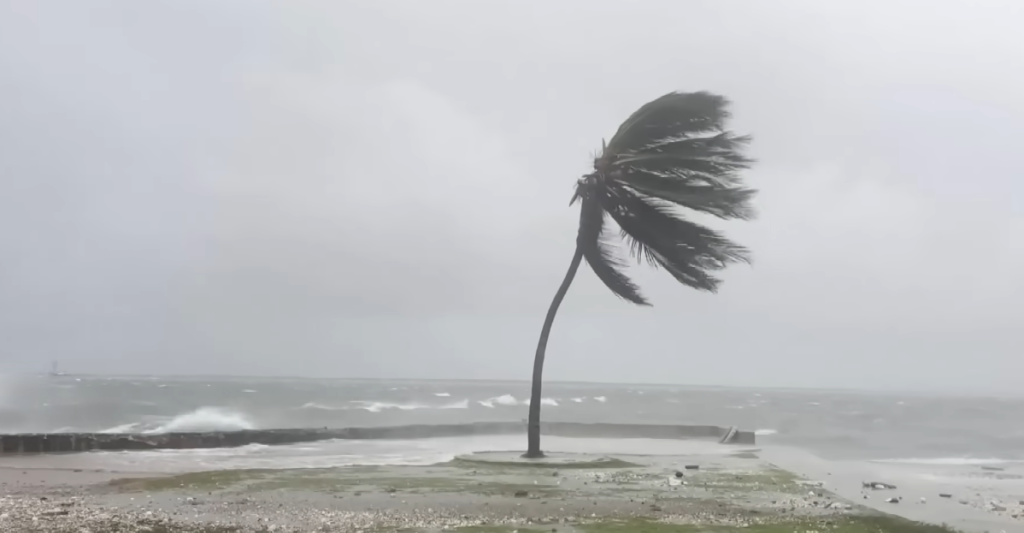
Even experienced forecasters were shocked by how quickly Melissa got stronger. Over the course of three days, wind speeds rose by more than 120 mph. This was because the Caribbean waters were very warm and the wind shear was getting weaker. The highest wind gust ever recorded by dropsonde instruments was 252 mph. Storms like this, which feed off warmer seas, may be getting better at growing so quickly. Scientists are careful, but the pattern is hard to miss.
The storm had been a Category 5 for almost 30 hours straight when the eyewall hit Jamaica. There have only been a few Atlantic hurricanes that have stayed this strong for this long. Afterward, when you look at satellite loops, you can see how the eye was almost perfectly symmetrical before it hit the mountains and started to fall apart. The mountains messed up the structure, but not before the damage was done.
The crisis got worse because of the rain. Parts of western Jamaica got more than 30 inches of rain. Landslides turned roads into muddy rivers. In Haiti, outer bands stalled for days, dropping up to 36 inches of rain and causing deadly floods. It’s still not clear if infrastructure in areas that are at risk can handle that much rain without major changes. Hurricanes have always hit the Caribbean. But storms like Melissa test strength in different ways.
More than 25,000 Jamaicans lived in shelters in the weeks after the storm hit. Schools were also used as emergency housing. Hospitals used generators to run. The losses in farming were huge: more than 41,000 hectares of farmland were destroyed, and an estimated 1.25 million animals were killed. Coffee farmers said they lost almost half of their crop. After floodwaters that were contaminated with Leptospirosis, the Pan American Health Organization issued health warnings.
There were times when things were quieter in the middle of the destruction. Tourists who were staying in Montego Bay were seen picking up trash with locals. Relief flights came in through airports that had been closed. In a video that went viral, a woman stood where her house used to be and held a single photo album that she had saved. She didn’t cry. She just looked tired.
In terms of weather, Melissa is now in a rare place. It was the second strongest Atlantic landfall by wind speed, along with the Labor Day Hurricane of 1935 and Dorian in 2019. With a pressure of 897 millibars at landfall, it is the second lowest on record. These comparisons are very technical, almost like schoolwork. But they remind us that historical markers are changing.
There is a sense of uneasy anticipation because the report on the storm came out less than 100 days before the start of the 2026 hurricane season. Reconstruction is going on, but there are still scaffolding and tarps up in western parishes. Most places have had their power lines fixed, but some communities still say their service isn’t reliable. Things are getting better, but slowly.
As Jamaica rebuilds, it feels like Melissa was both an outlier and a warning. Caribbean islands have been used to storms for a long time, so they have changed their buildings and emergency systems to deal with them. But storms tied for the strongest ever, with winds of 190 mph and a pressure of 892 millibars. This makes people question how ready they are.
Disclaimer
Nothing published on Creative Learning Guild — including news articles, legal news, lawsuit summaries, settlement guides, legal analysis, financial commentary, expert opinion, educational content, or any other material — constitutes legal advice, financial advice, investment advice, or professional counsel of any kind. All content on this website is provided strictly for informational, educational, and news reporting purposes only. Consult your legal or financial advisor before taking any step.
