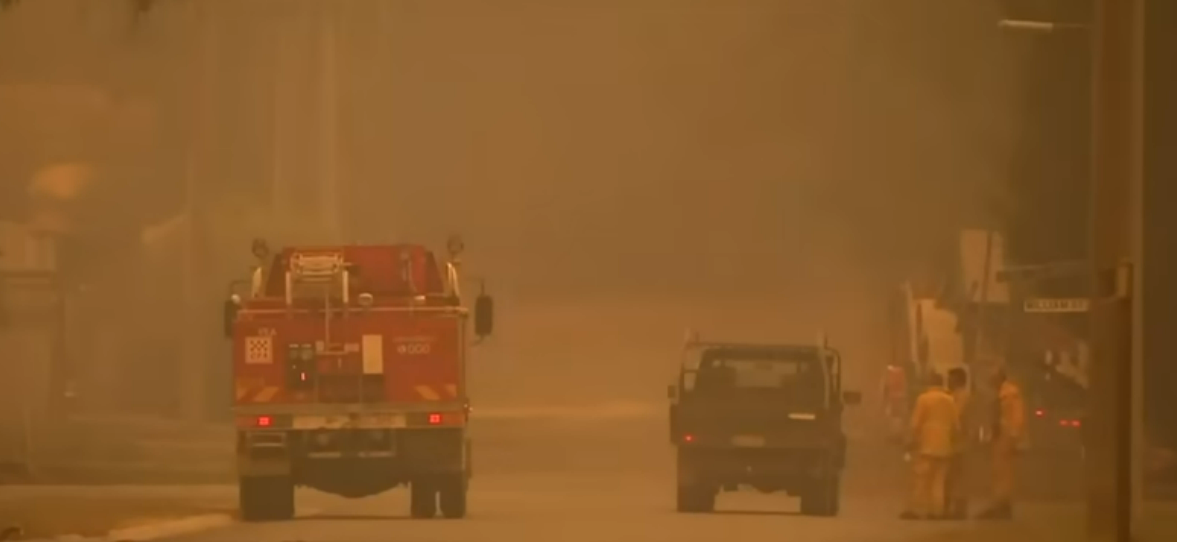
The eucalyptus bark in the hills to the east of Melbourne peels like paper when it comes into contact with a heater. The ground crunches underfoot even after rain. As though the landscape has a shorter fuse, it’s difficult to ignore how rapidly the bush seems to dry out these days.
Burning has always been a problem in Australia. Its ecosystem is interwoven with fire. However, something feels different about the last ten years. Bushfires across the nation no longer follow the traditional pattern of late-spring buildup and summer crescendo. Rather, they are unveiling a more expansive, unpredictable, and, to be honest, unsettling pattern.
| Category | Details |
|---|---|
| Country | Australia |
| Major Event | 2019–20 Australian bushfire season |
| Key Research Body | Climate Council |
| Atmospheric Research Source | PreventionWeb |
| Average Warming Since 1910 | ~1.5°C increase |
| Hectares Burned (2019–20) | Over 24 million hectares |
| Official References | Climate Council – Bushfire Facts • PreventionWeb – Drought and Atmosphere Research |
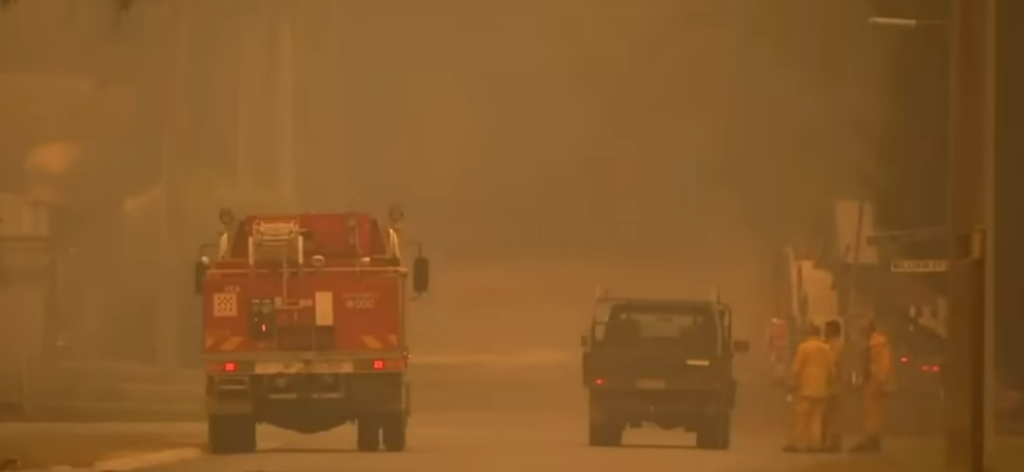
More than 24 million hectares were burned during the 2019–20 Black Summer, which directly killed 33 people and caused hundreds more deaths due to smoke. Many at the time referred to it as a once-in-a-generation disaster. However, in the seasons that have followed, fire specialists have started to use a more sobering term: the “new normal.”
The fire season is perceived as no longer being a season at all.
Fires have started in cooler months in some parts of southern Australia, spreading across areas that were previously thought to be reasonably safe during the winter. Significant changes are evident in the upper atmosphere, especially in the jet streams that guide rain systems, according to research published through PreventionWeb. These high-altitude air currents have been moving southward since about 2015, drawing winter precipitation away from the southern edge of the continent. On a weather map, the effect is not very noticeable. In reality, it is devastating.
Part of the story is told by Melbourne’s reservoirs, which were operating at about 70% capacity in early 2026. Desalination plants have become more and more important in Perth. After years of drought, Adelaide has seen a decline in inflows. The 2017–2019 drought and its resurgence starting in 2023 have prepared forests for faster and hotter fires.
They’re burning hotter, too.
These days, fires frequently produce towering columns that pierce the stratosphere, known as pyrocumulonimbus clouds, or pyroCbs, their own weather systems. At least forty-five of these fire-generated storms were documented during Black Summer. These clouds create erratic, dry lightning that starts new fires kilometers before the main front. It still seems unreal to watch video of those incidents, like a real-time climate thriller.
It’s possible that behavior as well as frequency is changing.
Fires in Australia have always been fueled by strong winds. However, recent fires have put a strain on firefighting capabilities by combining intense heat, protracted drought, and unpredictable wind shifts. Gusts are said to have rendered aerial water drops ineffective during Tasmania’s late-2025 fires near Dolphin Sands, dispersing retardant before it reached the ground. There were days when airplanes just couldn’t fly.
The figures are striking. Extreme fire weather has become more common in southern and eastern Australia since the 1970s. The 10% of fire danger days that are the most severe are becoming more frequent. Previously uncommon at catastrophic levels, Forest Fire Danger Index readings now occur with unnerving regularity.
The residences of Australians further exacerbate this pattern.
Nearly seven million people now live on the outskirts of bushland as a result of the rapid expansion of urban fringes around Sydney, Melbourne, Perth, and Adelaide. Suburban areas encroach on combustible terrain, with houses constructed prior to contemporary fire regulations situated amidst gum trees that are susceptible to ember attack. Whether city planners have completely understood what that means is still up in the air.
Markets for insurance have, for sure. Since 2020, premiums in regions that are vulnerable to bushfires have increased significantly, sometimes by over 100%. It appears that both homeowners and investors now consider fire risk to be structural rather than episodic.
Another shift, more subdued but no less problematic. Even as the south dries up, there have been times of heavy rainfall and flooding in eastern Australia. This disparity—drought in one area and flooding in another—is a result of atmospheric shifts that are shifting risk rather than removing it. It produces a nation of extremes, where floods and fires occur in the same year.
One gets the impression that the story has progressed beyond isolated catastrophes as you watch this play out. A systemic shift in climate dynamics, including warmer temperatures, modified jet streams, and longer heatwaves, is being revealed by Australia’s bushfires. Since 1910, the continent has warmed by about 1.5°C, with the majority of that warming taking place in the last few decades. That figure might seem incremental. Upon the ground, it is flammable.
Many firefighters are volunteers, and they talk candidly about being tired. There are fewer opportunities for hazard reduction burning during longer seasons. Resources are overextended by overlapping fire events. Once used for preparation and recuperation, the traditional off-season is becoming less and less.
This could be framed as strictly environmental. However, the trend also has economic and social implications. Infrastructure is strained by frequent smoke incidents. Respiratory diseases are a problem for health systems. After rebuilding, communities must confront the possibility of starting over.
Disclaimer
Nothing published on Creative Learning Guild — including news articles, legal news, lawsuit summaries, settlement guides, legal analysis, financial commentary, expert opinion, educational content, or any other material — constitutes legal advice, financial advice, investment advice, or professional counsel of any kind. All content on this website is provided strictly for informational, educational, and news reporting purposes only. Consult your legal or financial advisor before taking any step.