

The theater becomes surprisingly quiet when Lucky first appears on screen. A tiny puppy, drenched from floodwater and shaky a little, appears more like a real animal trapped in the wrong narrative than a movie symbol. The film almost begs for the audience’s emotional trust before it earns it, and it’s difficult to ignore how quickly it depends on that vulnerability.
The foundation of “Lucky the Superstar” is a straightforward concept. A stray puppy enters people’s lives and starts to alter them, sometimes subtly and other times significantly. It sounds familiar on paper, almost like a hundred previous children’s movies. However, as you watch it play out, you get the impression that the movie is trying to make a larger point about hope, loneliness, and the odd ways that people give animals meaning.
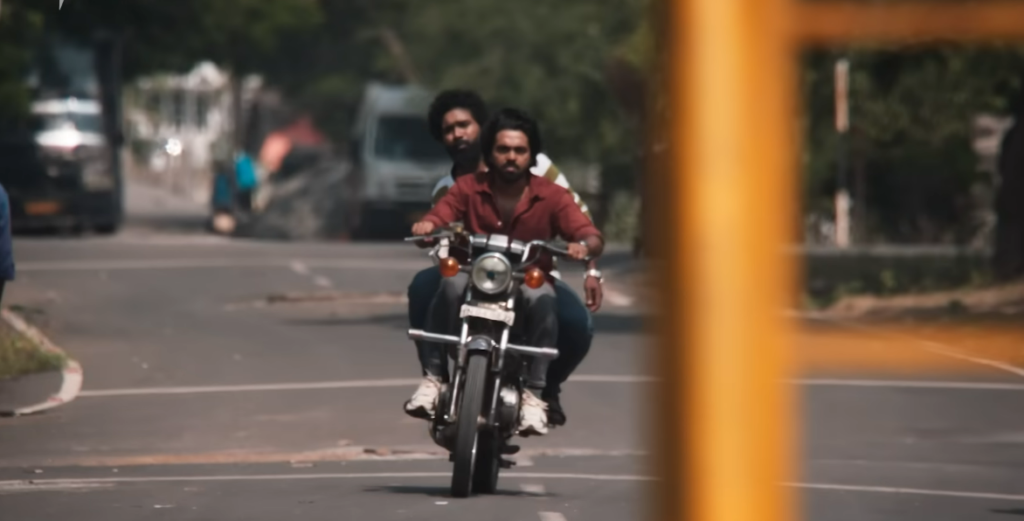
Lakshmanan, played by G. V. Prakash Kumar, is a man who finds Lucky and takes him home. His portrayal avoids the exaggerated reactions frequently found in family dramas and feels genuine, even restrained. He appears less like a hero and more like a person who is uncertain of what will happen next as he sits on the floor of his small living room and carefully holds the puppy. This ambiguity might be the most genuine feeling in the movie.
| Key Information | Details |
|---|---|
| Film Title | Lucky The Superstar |
| Release Year | 2026 |
| Language | Tamil (released in multiple Indian languages) |
| Director | Uday Mahesh |
| Lead Cast | G. V. Prakash Kumar, Anaswara Rajan |
| Genre | Children’s Comedy Drama |
| Streaming Platform | JioHotstar |
| Production Company | Kavithalayaa Productions |
| Film Overview | Wikipedia – Lucky The Superstar |
| Ratings & Audience Response | IMDb – Lucky The Superstar |
Oddly enough, though, the emotional core never quite settles. Although Lucky and Ammu, an autistic child, are supposed to be the center of everything, their relationship feels hurried and more assumed than demonstrated. As you watch their scenes together, you notice a hesitancy in the narrative, as though the movie assumes that love will exist just because the screenplay says it should.
Giving the dogs voices is the most unconventional choice made in the movie. The sharp and playful tone of Kovai Sarala’s voice adds a charming yet distracting sense of humor. There are times when the talking animals evoke affection by displaying fear and loyalty in ways that people cannot. However, occasionally the illusion is broken, and the dogs start to feel more like plot devices than like real characters.
An unanticipated political layer is also present. Attracting politicians who treat him more like an object than a living being, Lucky turns into a symbol of power and good fortune. These scenes, which are full of cartoonish ambition and inflated greed, are both funny and unsettling. It’s still unclear if the movie wants to make fun of political opportunism or just use it for lighthearted effect.
The movie has visual issues. Some effects seem incomplete, especially during poignant scenes that call for realism. The illusion periodically breaks as viewers watch Lucky dash through crowded streets, serving as a reminder of the film’s narrow audience. Although it’s a minor imperfection, it subtly lessens the emotional impact. However, the movie does have some charm.
There are fleeting, nearly unintentional moments where it comes to life. A child’s sudden laughter. Sunset on a peaceful street. A dog sleeping soundly next to a person in need of comfort. These moments are successful because they don’t try too hard.
“Lucky The Superstar” might have a problem with trying to be too many things at once. In addition to being a children’s movie, it is a political satire. It is both an emotional drama and a comedy. It is challenging to strike a balance between these tones, and the movie occasionally veers off course.
As you watch this play out, you get the impression that the movie had the right idea at heart but didn’t have enough faith in its most basic concepts.
When the plot starts to veer off course, GV Prakash Kumar provides stability and keeps the story cohesive. His quiet will to find purpose in a chaotic situation is a reflection of the audience’s own attempt to relate to the movie. It’s a grounded performance rather than one meant to impress.
This may still be reassuring to family audiences. The movie avoids cynicism by moving slowly. Its shortcomings might go unnoticed by kids. Most likely, adults will.
By the end, Lucky is still a symbol rather than a fully developed character, just as he was at the start. He stands for innocence, hope, and maybe the human need to think that even the smallest things can have a profound impact on people’s lives.
It’s less clear if the movie will be able to demonstrate that.
Disclaimer
Nothing published on Creative Learning Guild — including news articles, legal news, lawsuit summaries, settlement guides, legal analysis, financial commentary, expert opinion, educational content, or any other material — constitutes legal advice, financial advice, investment advice, or professional counsel of any kind. All content on this website is provided strictly for informational, educational, and news reporting purposes only. Consult your legal or financial advisor before taking any step.
