

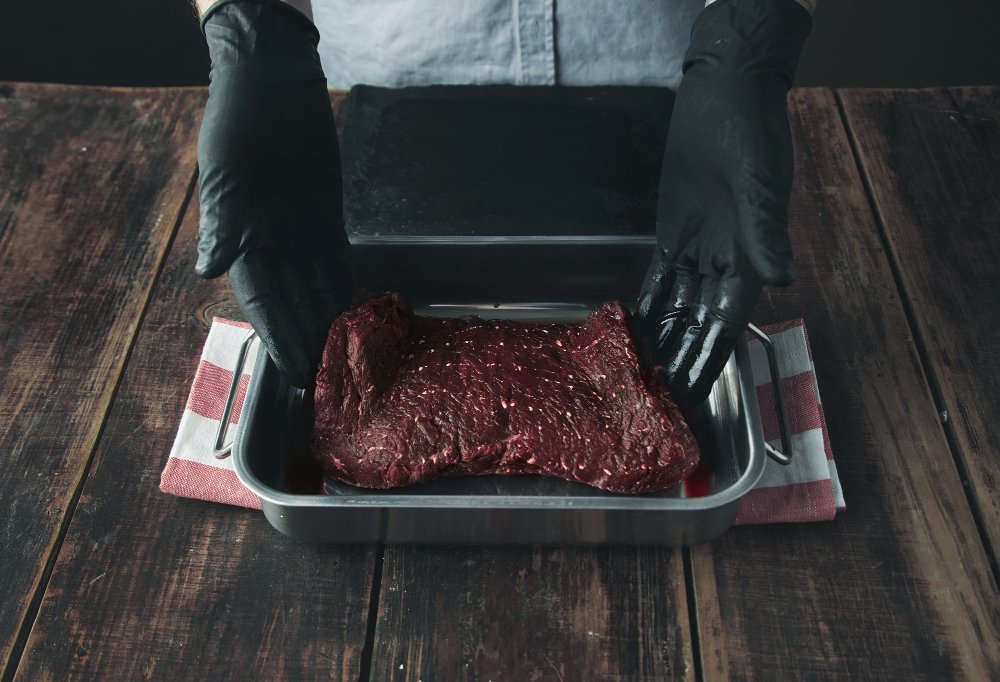
In an era increasingly defined by nutritional innovation, a new wave of resistance has emerged—not from scientists or nutritionists, but from lawmakers, farmers, and common consumers. As lab-grown meat gained pace, some countries and U.S. states have pushed ahead with unequivocal bans. What’s their message? Not everything engineered belongs on the plate.
Italy’s answer was both immediate and symbolic. In a country where food holds emotional weight and regional identity, lawmakers permanently prohibited lab-grown meat in 2023, citing it as a synthetic danger to centuries-old culinary traditions. The move wasn’t simply about biology—it was about purpose. Fines were imposed not just on the selling of lab-grown meat but also on using terminology like “bistecca” or “salame” for non-traditional foods. Language itself became a struggle.
| Region | Type of Ban | Primary Motivation |
|---|---|---|
| Italy | Full national ban | Protection of culinary heritage and farmers |
| Hungary | Limited ban (non-food only) | Rural values, food sovereignty |
| Florida (USA) | State-level complete ban | Anti-globalist, “real food” ideology |
| Texas (USA) | Legislation moving toward a ban | Livestock sector preservation |
| Mississippi (USA) | Partial ban (labeling limits) | Health, identity of meat labeling |
Hungary soon followed with a more controlled, albeit deeply defensive, approach. It prohibited synthetic meat from being consumed by humans but permitted its use in research and medicine. Officials presented their stance as an endeavor to protect rural life and sustain the spiritual relationship between farming and food. There was a subtle protest, a claim that culinary innovation shouldn’t take precedence over traditional knowledge.
The chatter became noticeably louder on the other side of the Atlantic.
Florida Governor Ron DeSantis put one of the most severely worded restrictions into law. He portrayed lab-grown beef as an elite imposition and part of a far-off plan “to redesign what we eat” while standing in front of cow ranchers and dismissing discussions of sustainability. He didn’t shy away from political framing. He leaned into it, framing the restriction as a proclamation of food freedom.
During a town hall near Gainesville, I overheard a rancher saying that “they’ll be printing steaks before they fix school lunches.” It hit a nerve—not because of cynicism, but because of distrust. In that room, synthetic meat wasn’t a technological miracle. Food prepared far away, by people far away, using methods no one could pronounce, was a sign of alienation.
Texas, predictably, united with Florida, presenting legislation that frames lab-grown meat as a threat to cattle producers and regional economies. Mississippi added its own twist—banning any product from calling itself “meat” unless it originated from an animal that had walked, breathed, and bled. For many lawmakers, the heart of the matter wasn’t safety or science. It was authenticity.
Lab-grown meat, properly known as cultivated or cell-based meat, is generated from genuine animal cells in bioreactors. The goal is remarkably clear: manufacture meat without slaughter, cut emissions, and eventually solve global food shortages. In theory, it’s a compassionate and clean solution to the rising demand of feeding billions.
But theory rarely fulfills appetite.
Despite its promise, lab-grown meat confronts severe barriers. The price is still very expensive. Most products nevertheless require fetal bovine serum to grow—ironically derived from murdered calves—making them neither vegan nor entirely cruelty-free. Energy usage remains a concern, and taste tests generally return lukewarm evaluations. The product feels unfinished despite sophisticated PR campaigns and startup support from billionaires.
The deeper tension is found here.
By introducing meat made in labs, society is pushed to not simply adjust eating habits, but emotional frames. Meat, for many, is ritual. It’s religious feasts, family dinners, and summertime cookouts. When that steak no longer comes from a field but from a flask, something ineffable gets lost—even if it’s replaced by something presumably more sustainable.
At a policy conference in Rome, a Hungarian official commented that “meat is not just fuel—it’s memory.” The line remained with me, perhaps because it hinted to why prohibitions like this aren’t merely political gestures. They are attempts to let culture catch up with chemistry, like slowing down a rushing train.
Notably, these restrictions do not represent universal consensus. Countries like Singapore have welcomed lab-grown chicken, authorizing it for sale as early as 2020. The Netherlands, France, and Israel are investing in food-tech accelerators and pilot programs. Even within the U.S., California and New York remain hotspots for grown meat startups. This isn’t a narrative of rejection—it’s a story of friction.
That friction, however, is where the story becomes human.
Because behind every legislative action is a person seeking to define what food should be—whether it should reflect the land it comes from or the lab that perfected it. Whether it should echo the past or anticipate the future. Whether eating should feel natural or necessary.
Over the past decade, food has transformed more rapidly than in the last century combined. Plant-based items have changed fast food menus. Climate worries are rewriting supply chains. The lab-grown meat issue is not a detour—it’s a portent of what’s to come.
For present, five areas have drawn a line. And in doing so, they’ve posed an urgent question: Is meat simply a product to improve, or is it something more sacred—something steeped in history, culture, and daily life?
By standing steadfast, these countries and states have urged the rest of us to reflect, rather than rush. And that could be incredibly useful in a period of rapid innovation.
Disclaimer
Nothing published on Creative Learning Guild — including news articles, legal news, lawsuit summaries, settlement guides, legal analysis, financial commentary, expert opinion, educational content, or any other material — constitutes legal advice, financial advice, investment advice, or professional counsel of any kind. All content on this website is provided strictly for informational, educational, and news reporting purposes only. Consult your legal or financial advisor before taking any step.
