

Un aspecto notable de la trayectoria judicial de Santiago Pedraz, que abarca décadas, es que no alcanzó notoriedad pública hasta mucho más tarde de lo que cabría esperar. Se hizo cargo del caso del periodista José Couso —fallecido en Bagdad durante la invasión de Irak—, investigó el mayor fraude filatélico de la historia de España, imputó a funcionarios chinos en relación con el Tíbet y presidió causas contra dictadores guatemaltecos. Sin embargo, durante años permaneció como una figura desconocida fuera de los pasillos de la Audiencia Nacional.
Pedraz nació en Salamanca el 11 de junio de 1958 y creció tanto en Costa Rica como en España. Su padre era periodista y ejerció como directivo de medios en Centroamérica, además de ocupar el cargo de subdirector de la agencia de noticias EFE. Es posible que este entorno familiar vinculado al periodismo haya influido en él. Pedraz posee una capacidad excepcional para gestionar casos de gran complejidad sin perder el enfoque, sin ceder a la presión mediática y sin realizar declaraciones públicas innecesarias. Ingresó en la carrera judicial en 1983, a los 26 años. Ya por aquel entonces se le consideraba brillante, una descripción que sigue siendo válida cuarenta años después.
Desde noviembre de 2020, dirige el Juzgado Central de Instrucción número 5 de la Audiencia Nacional. Desde 2025, está al frente del complejo caso conocido como «caso Leire Díez», que investiga una presunta red destinada a interferir en procedimientos judiciales y defender los intereses del PSOE (Partido Socialista Obrero Español). Esta extensa investigación arroja nuevas ramificaciones cada semana. En octubre de 2026, a petición de la magistrada Beatriz Biedma —quien investigó a David Sánchez y fue, a su vez, objeto de amenazas encubiertas y vigilancia física—, Pedraz imputó al exjuez Luis José Sáenz de Tejada por los delitos de conspiración, calumnias, coacciones y atentados contra la integridad moral. Ese mismo día, abrió una segunda línea de investigación para esclarecer cómo obtuvo la nacionalidad española el exviceministro venezolano Nervis Villalobos.
Pese al creciente número de expedientes, la actividad del juzgado no parece disminuir. Al analizar la trayectoria completa de Pedraz, destaca la enorme variedad de asuntos de los que se ha ocupado. El fraude de Afinsa, que afectó a unas 200.000 personas; el caso Gowex; la caída del Banco de Valencia; la investigación a la Real Federación Española de Fútbol; el caso Mario Conde; el caso de la familia Pujol; la corrupción vinculada al sector de los hidrocarburos… Y, más recientemente, los supuestos vínculos entre clanes del narcotráfico en Extremadura y una red política. Al repasar esta lista, surge una sensación peculiar: la impresión de que este hombre ha sido testigo directo de casi todo lo que puede salir mal en una democracia.
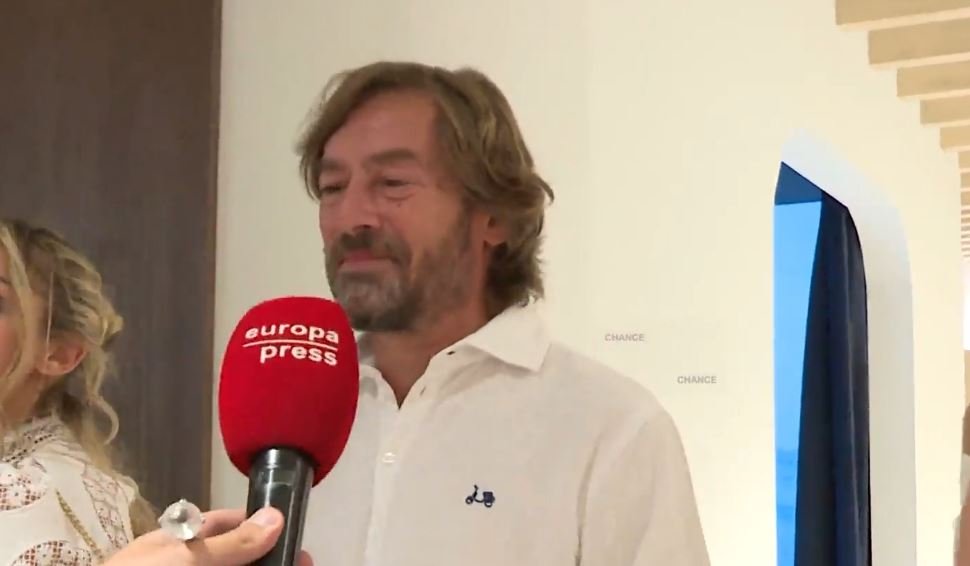
Sin embargo, no es un juez que suela hacer declaraciones grandilocuentes. Fuera de los tribunales, se dedica a la pintura. Su obra, realizada con técnicas mixtas, se caracteriza por el uso de colores intensos y una cualidad táctil y material. Ha expuesto sus creaciones en diversas galerías de Madrid y ha donado piezas a causas benéficas en favor de Alepo, La Palma y Ucrania. Aunque rara vez trasciende a los medios, este detalle resulta revelador: existe una vida más allá de los expedientes judiciales.
Actualmente, Pedraz está recibiendo peticiones de otros magistrados. Con el fin de avanzar en una investigación paralela sobre financiación irregular, el juez Ismael Moreno le ha solicitado formalmente el acceso a documentos incautados en el domicilio de Santos Cerdán, incluidos dispositivos de almacenamiento digital y agendas personales.
El expediente relativo a las «cloacas» —ese oscuro submundo que subyace en los aparatos del Estado y la política—, junto con otras cuestiones relevantes, empieza a cobrar forma. Es aún pronto para saber hasta dónde llegará todo esto. No obstante, Pedraz lleva más de 40 años ejerciendo en este ámbito y, por ahora, no parece tener intención de detenerse.
