

Perfidy is more than just a legal term. There is a basic flaw in the way that conflicts are meant to function. Damage extends much beyond the immediate victims when a combatant launches an attack while posing as something protected, such as a civilian, a medic, or a surrendering soldier. It challenges the flimsy presumptions that, ironically, enable some people to survive conflict.
The law permits ingenuity. Camouflage, feints, and strategic misdirection are perfectly acceptable. However, there is a very distinct line. It becomes a crime when someone adopts the posture or symbols of protection and then takes advantage of that trust to murder or kidnap someone. The Geneva Conventions don’t leave much ambiguity on this.
A U.S. operation that purportedly featured a military aircraft purposefully designed to seem like a civilian plane has come under increased scrutiny in recent days. It was low in the air. There were no typical combat markings on it. Inside, its weaponry were concealed. Until it was too late, it didn’t seem like a threat. Two survivors apparently encountered a follow-up strike while still in the sea, and eleven individuals lost their lives.
The targets were alleged traffickers, according to the military’s justification, at least informally. However, legality depends on how, not who was struck. The moment a civilian disguise is used to carry out a strike, intent becomes central. What was the aircraft meant to convey? Before firing, what signal did it send?
| Aspect | Details |
|---|---|
| Legal Term | Perfidy |
| Core Meaning | Feigning protected status to deceive and attack |
| Protected Status Examples | Civilian, surrendering, wounded, medical |
| Legal Framework | Geneva Conventions and customary international law |
| Criminal Classification | War crime |
| Distinction | Illegal betrayal, not lawful military deception |
| Typical Examples | Fake surrender, misuse of Red Cross symbols, civilian disguises |
| Core Harm | Undermines trust that protects civilians and non‑combatants |
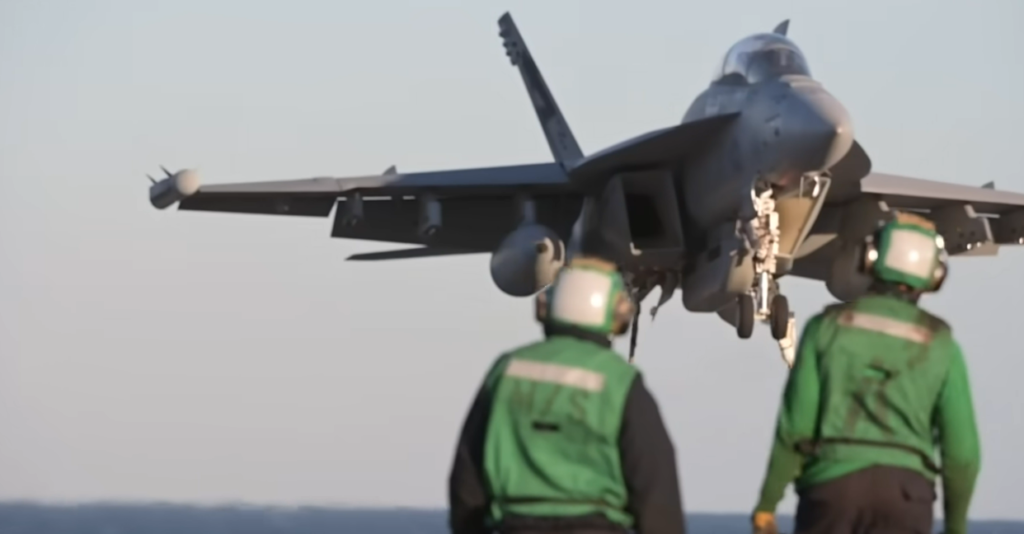
It probably encouraged complacency by seeming innocuous. It is the essence of perfidy. It involves more than just deception; it involves abusing protection to gain a lethal edge. The impact is particularly pervasive: it increases the suspicion of lawful citizens, weakens humanitarian convoys, and reduces the likelihood of future surrenders.
Perfidy is especially risky because its success rests only on the opposing side following the regulations, as military attorneys frequently point out. It differs from ruses because of this. Perfidy is the use of someone else’s self-control against them.
A picture of troops holding a white flag was displayed during a war crimes tribunal review session I once attended. Shortly after, the soldiers pulled out concealed weapons. After the picture disappeared, nobody said anything for over a minute. That quiet stayed with me, resurfacing as I read about the recent strike. The hush following treachery can sometimes reverberate the longest.
Perfidy is rarely penalized. But when it does, the repercussions are particularly dire. The death sentence is one of the consequences under U.S. military law. This harshness is a reflection of both the specific act and the long-term repercussions. What protection is there for anyone if you can’t trust a civilian aircraft, a white flag, or a Red Cross emblem?
Some will contend that strategies change with time and that unorthodox dangers necessitate unconventional solutions. But the law draws its lines with purpose. The objective is to maintain a minimal degree of survivability, especially for people who aren’t fighting, rather than to limit success.
Because of this, disguising oneself as a civilian when combined with deadly purpose is not just dangerous but also illegal. The universal code that prevents war from devolving into chaos is broken. It’s not smart. It is not daring. It is a shortcut that destroys relationships that other people rely on.
According to reports, the jet used smart design to evade detection by projecting a recognizable, innocuous appearance. It bought a moment of doubt by appearing civilian. It was a deadly time. And that approach merits questioning regardless of the outcome of the operation.
The difficulty for early-stage investigators is demonstrating not just what occurred but also why. Perfidy hinges on intent. Was the aircraft purposefully designed to appear civilian so that the enemy would be less vigilant? If so, it is a war crime rather than a cunning strategy.
States run the danger of suffering significantly more losses than gains when they include performance into their operational plan. It takes time for the erosion to occur. It builds up over time. Humanitarian flights in the future might be viewed with mistrust. Aid workers can be hesitant. Combatants who surrender could be shot. Chaos is not a threat if symbols become meaningless. It’s the subsequent action.
Nevertheless, when the legislation is applied, it continues to be incredibly successful. It maintains clarity in addition to punishing misbehavior. It serves as a reminder to all parties involved that certain signals must remain valid even in the face of devastation. They are what make it possible for war to stop and peace to start.
In the event that such accusations are validated, a public and stern response should be given—not to set an example, but to uphold the rule. The following white flag might not be trusted without that confirmation. And lives will be lost as a result of that mistrust, disproportionately and predictably.
For its time, Perfidy’s prohibition’s reasoning was especially novel. It resulted from centuries of cumulative error rather than theory. Humanitarian catastrophe resulted from wars in which nothing was sacred. Thus, this line was drawn for the sake of human existence as well as legal neatness.
These kinds of regulations are important because war causes suffering. They’re not sentimental. They are organized. They make room for restraint, albeit not everywhere. Enough to be significant.
Now, the question is whether that framework will endure. If it does, it will be because realities were confronted honestly and actions were evaluated based on the methods employed rather than just the results. That is the difference between abuse and planning. Between cunning and brutality. between fighting and doing crimes.
Disclaimer
Nothing published on Creative Learning Guild — including news articles, legal news, lawsuit summaries, settlement guides, legal analysis, financial commentary, expert opinion, educational content, or any other material — constitutes legal advice, financial advice, investment advice, or professional counsel of any kind. All content on this website is provided strictly for informational, educational, and news reporting purposes only. Consult your legal or financial advisor before taking any step.
