

A group of high school seniors gathered next to a functional model of a campus solar system at a recent university exhibition in Melbourne, rather than around shiny course manuals. Their inquiries concerned energy reporting, waste reduction targets, and whether climate justice was covered in the general education curriculum rather than average beginning salaries or lecture forms. That change in tone, which is slight but incredibly telling, is happening more and more often.
In the last ten years, students have begun to examine university recruitment with the same kind of scrutiny that they might save for moral consumption. These days, choosing a campus is more about alignment than status or professional prospects. More and more candidates want to be sure that the university they will be attending is not just aware of climate change but is actively working to address it.
This change has had a major impact on how colleges market themselves. From being a tiny piece tucked away in prospectuses, sustainability is now a fundamental component of hiring. Previously reserved for libraries or sports facilities, open-day excursions now point to solar arrays and green-certified buildings with the same fervor. A composting program in the cafeteria can be just as appealing as statistics on internship placements.
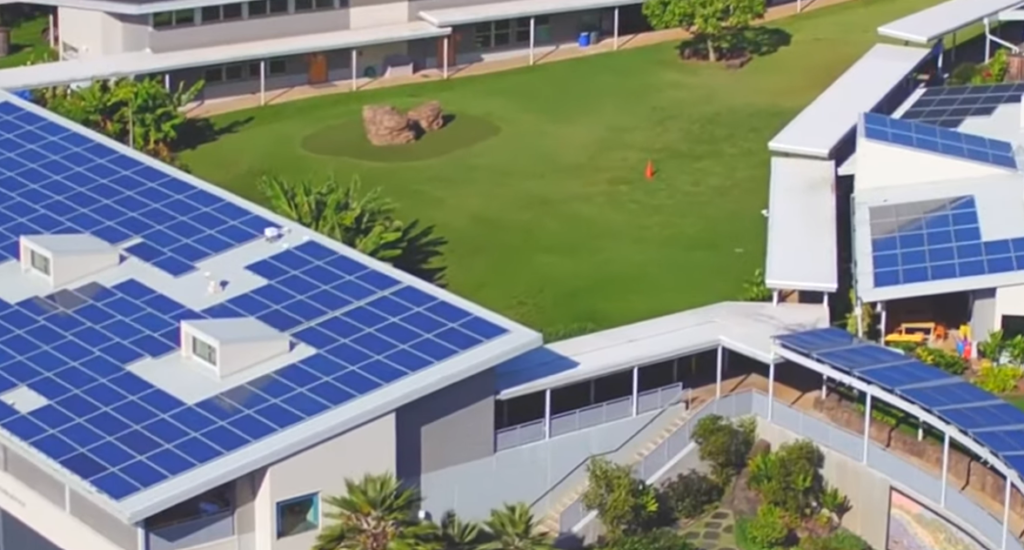
Campuses are becoming living classrooms thanks to the integration of solar technology and zero-waste principles into daily operations. those can engage with the topics they are studying through these arrangements, which seems especially helpful for those who learn best by doing. In addition to being a visually appealing element, a rooftop greenhouse gives students the chance to carry out their own food systems study without ever leaving campus.
| Trend or Factor | Key Context |
|---|---|
| Students Prioritizing Sustainability | 85% of students consider sustainability important in college choice |
| Curriculum Change | Increasing demand for climate education across disciplines |
| Campus Operations as Learning | Solar panels, zero-waste systems, water harvesting used as teaching tools |
| Ethical Recruitment | Student activism leads to fossil fuel recruiter bans on some campuses |
| Green Skills Demand | Employers seek graduates with skills aligned to low‑carbon economy |
| Institutional Impact | Sustainability boosts reputation and student retention |
| Source | QS Quacquarelli Symonds and Times Higher Education reporting |
Universities are making a shift that goes beyond merely meeting the expectations of their students. It’s a calculated reaction to the labor market as well. Employers are looking more and more for graduates with “green skills,” or abilities that demonstrate both technical proficiency and a thorough awareness of environmental consequences. Regenerative design, climate adaptation, and sustainable finance are no longer specialized topics. Colleges that take into account the fact that these are increasingly common job options will be more appealing to students who are concerned about the future.
This demand has led to significant changes in the curriculum. Climate frameworks are being included into curriculum in a variety of departments, including engineering, law, business, and even literature. Shakespeare might be studied alongside eco-poetry by an English student. A carbon accounting capstone project could be finished by a finance student. This kind of cross-pollination is especially novel since it shows that science majors are not the only ones who are concerned about climate change.
Recruitment teams have modified their tactics in response to changes in expectations. During school visits and fairs, counselors are now able to discuss their institution’s ESG-aligned partnerships or net-zero goals with ease. In certain instances, they receive training to answer inquiries concerning ethical career support and fossil fuel divestment. This includes whether or whether oil and gas companies are invited to job fairs; ten years ago, this question would have seemed out of place, but today it is asked boldly and freely.
Even further, some students have launched efforts to restrict the kinds of businesses that are permitted on campus. By opposing recruiters who use fossil fuels, they have been successful in establishing new moral guidelines for university-employer collaborations. Even though these changes have generated controversy, especially among individuals who worry about restricting professional options, they unquestionably represent a more profound societal shift. Students are sending a message that the ideals of the school should be lived rather than merely written.
It’s remarkable how fast these numbers have risen to the top of the list. Students now inquire about how school infrastructure is in line with sustainability goals, whereas in the past, extracurricular activities and dorm life encouraged engagement. Offering a sustainability office tucked away in administration is no longer sufficient. Every department is expected to contribute, and all students—regardless of major—can contribute to a more comprehensive climate solution.
In addition to standard academic statistics, one administrator I met with explained how her university started providing prospective students with comprehensive reports on its sustainability KPIs. The number of applications increased dramatically in just two years, which was not surprising. Although the data wasn’t flawless, she acknowledged that the openness showed sincerity. And with a generation that is sensitive to greenwashing, it turns out that sincerity works especially well for establishing confidence.
There is also a psychological component. The urge for climate-aligned schooling is also a coping strategy for many pupils who grew up hearing about melting glaciers and record-breaking temperatures. It has to do with feeling a part of something positive. A campus that promotes student companies focused on climate change, replenishes native wetlands, or plants trees becomes more than just a place to learn; it becomes a place where purpose takes root.
Many institutions are also increasing their attractiveness through partnerships and strategic investments. They establish chances outside of the classroom by collaborating with clean tech companies or local governments. These connections provide students with real-time exposure to expanding and significantly impactful careers, as well as internships and mentorships. It’s a very clever approach to describe the ROI of higher education.
By employing these campus projects as a teaching strategy and a recruitment tool, universities are realizing that sustainability is a narrative to tell rather than a box to be checked. And that narrative frequently tips the scales for potential students. They typically choose the university with the more prominent climate change plan, whether they are comparing two Ivy League schools or choosing between public and private options.
Student expectations will rise along with climate dangers. The future is noticeably better for universities that go beyond token gestures and include sustainability into everything from career services to curricula. And that goes beyond simply safeguarding their brand. Developing graduates who can think critically, make decisions, and lead morally in ambiguous situations is the goal.
Students themselves, not consultants or marketing specialists, are reimagining the college recruitment scene. They are demanding more from their institutions, seeking greater accountability, and posing better questions. Surprisingly, a lot of colleges are paying attention.
The momentum is evident. Nowadays, sustainability is not an afterthought. It is now the primary narrative, and it is guiding students to universities where ideals are lived out rather than merely stated.
Disclaimer
Nothing published on Creative Learning Guild — including news articles, legal news, lawsuit summaries, settlement guides, legal analysis, financial commentary, expert opinion, educational content, or any other material — constitutes legal advice, financial advice, investment advice, or professional counsel of any kind. All content on this website is provided strictly for informational, educational, and news reporting purposes only. Consult your legal or financial advisor before taking any step.
