

Teenage newsfeeds are now shaped by algorithms and creators who hardly ever studied journalism, rather than editors. A game streamer may analyze legislative measures more interestingly than a TV anchor, and a cosmetics artist may provide updates on foreign policy in between product reviews. Many teenagers find this to be not only typical but also incredibly successful.
In recent years, YouTube, TikTok, and Instagram have become the primary news sources for almost half of American teenagers—54%, to be exact. Convenience is not the only factor. It’s about visual resonance, tone, and accessibility. Sixty-four percent of teenagers claim that they learn knowledge better from pictures and videos than from broadcasts or publications with text. The way that truth is obtained has been subtly but dramatically changed by this preference.
In an attempt to adapt, traditional journalism has recently produced social-first content, vertical video, and brief explainers. However, creators—those who talk casually, record from their beds, and show vulnerability alongside the news—are winning. Of the teenagers who watch YouTube news every day, 71% watch influencers, while only 28% look for content with a journalism brand. That difference says a lot.
Unexpectedly, trust has developed. Compared to traditional sources, 54% of teenagers believe influencers help them better grasp news. Rather than institutional credibility, their trust seems to be based on emotional clarity. These influencers frequently express their own reactions, simplify stories without being condescending, and talk in the first person. They tell stories as peers, not as experts.
Key Factual Context Table
| Data Point | Detail |
|---|---|
| Percentage of Teens Using Social Media for News | 54% use social platforms like TikTok, Instagram, YouTube |
| Teens Getting News from YouTube | 50% get news at least a few times a week from YouTube |
| News Sources on YouTube | 71% of daily consumers get it from influencers, 28% from news outlets |
| Visual Preference | 64% of teens prefer images and video to written news |
| Credibility Perception | 54% say influencers help them understand news better |
| Algorithmic Impact | 50% find news via YouTube’s recommended algorithm |
| Journalism Background Among Influencers | 77% have no prior affiliation with news organizations |
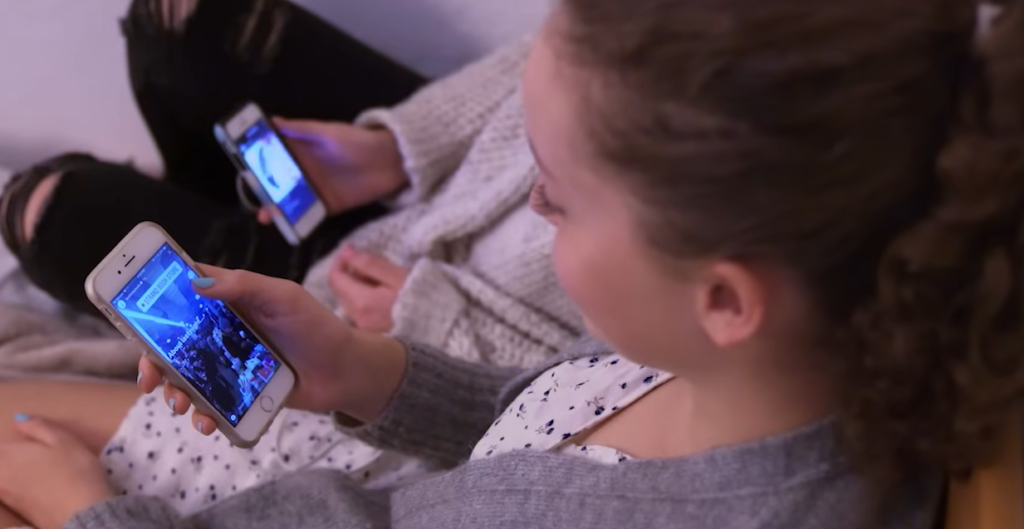
Authenticity allows creators to avoid the polished distance that comes with traditional reporting. The end effect is a really creative storytelling style that appeals to Gen Z far more than traditional anchors or studio sets. However, this innovative change also brings up significant issues related to influence, ethics, and truth.
These days, certain influencers combine calls to action with their own beliefs through smart alliances with advocacy groups and political campaigns. With only one post, they mobilize millions, frequently without revealing their affiliations or sources of money. Although this democratization of power can be highly adaptable, it also creates uncertainty over responsibility.
Platforms like TikTok saw a spike in both usage and informational impact during the pandemic. Teens were doing more than just dancing; they were raising civic awareness, challenging authority, and deciphering health regulations. However, 77% of people who delivered such content had no journalism experience. It seemed inconsequential.
Influencers have merged knowledge and entertainment to create a new genre that combines performance, teaching, and commentary. For younger viewers that have shorter attention spans and must navigate global complexity, that hybrid format is especially helpful. They’ve done a remarkable job of adapting to the new media, not because they don’t care.
The way topics are presented to early-stage voters is now shaped by this creator-led environment, particularly for those who are growing up in the midst of severe political opposition. Today’s teens may learn about a Supreme Court decision or climate meeting from a video that is intercut with cosmetic tutorials and memes. Although the format may seem unconventional, the effect is genuine.
Traditional reporting is still valued by some teenagers, particularly when they want historical background or depth. However, the notion of news consumption as a planned, sequential experience seems antiquated to many. These days, information is ambient—found passively, frequently inadvertently, by algorithms that recognize and cater to individual preferences.
Media literacy initiatives have significantly improved since the emergence of social-first platforms. Teens are increasingly being trained by organizations and schools to identify false information, assess bias, and validate content. Even those attempts, however, are unable to keep up with the quick changes in content generation.
Certain newsrooms have tried to catch up by working with creators. They sponsor explainers that are co-branded or invite influencers to participate in reporting projects. These initiatives are commendable and, in certain situations, rather effective. However, they also validate a subtle reality: journalism needs to change not just in form but also in tone and strategy for establishing credibility in order to remain relevant.
A group of teenagers were asked once if they trusted a science YouTuber or the New York Times more. Though the explanation was enlightening, the answer was not unanimous. One said, “We hear from the science guy.” “The Times mentions us.” This slight but significant distinction shows how authority is viewed and acquired differently across generations.
In the years to come, creators who didn’t choose to be informing will be held more and more accountable for it due to algorithmic popularity and audience devotion. The lack of editorial protections is still a worry, even though many are rising to the occasion with caution and interest.
However, this change has potential as well. It challenges the media sector to reconsider journalism as a monologue and instead as a collaborative dialogue. It implies that connections, innovation, and clarity can be just as effective as qualifications. And it encourages parents, educators, and legislators to meet teenagers where they are, not just cautiously, but curiously.
The media environment for Gen Z is still changing. Rapid change, profound paradoxes, and boundless possibilities shape it. Additionally, if done carefully, it could result in an information culture that is both much more engaging and inclusive.
Disclaimer
Nothing published on Creative Learning Guild — including news articles, legal news, lawsuit summaries, settlement guides, legal analysis, financial commentary, expert opinion, educational content, or any other material — constitutes legal advice, financial advice, investment advice, or professional counsel of any kind. All content on this website is provided strictly for informational, educational, and news reporting purposes only. Consult your legal or financial advisor before taking any step.
