

The Pilbara region of Western Australia contains iron ore that is difficult to find. The terrain is harsh and rust-red, with scorched plains, jagged ranges, and temperatures that would deter most people from doing anything but driving. Despite this, Lang Hancock and Peter Wright drove through in the 1940s and 1950s, securing mineral rights throughout a region so large and wealthy that the choices they made during those expeditions would ultimately result in billions of dollars in royalties. As of April 15, 2026, these decisions sparked one of the most costly and drawn-out Supreme Court cases in Australian history.
After fifteen years of litigation, Justice Jennifer Smith of the Western Australian Supreme Court ruled on Wednesday that Wright Prospecting, the business that represents Peter Wright’s descendants, is entitled to half of the royalties from the Hope Downs iron ore project, both past and future. For the full fifteen years, that claim had been contested by Gina Rinehart’s Hancock Prospecting, which manages the mines with Rio Tinto as a joint venture partner. Additionally, the court decided that Rio Tinto is jointly liable for the royalties. Rio Tinto and Hancock will both make the payment. The precise amount will be determined at a different trial.
There is a big difference between what is known and what is still up for debate. The total payout, according to Wright Prospecting and its supporters, may be close to $900 million. According to Hancock Prospecting, Wright Prospecting’s yearly royalty obligation is approximately A$14 million, while DFD Rhodes, a business that represents the descendants of Don Rhodes, a businessman who signed a royalties agreement with Hancock and Wright in 1969, is estimated to be A$4 million. The case didn’t conclude on Wednesday because of the stark difference between those positions. The ownership issue has been settled. The financial issue remains unresolved.
| Field | Details |
|---|---|
| Primary Defendant | Hancock Prospecting Pty Ltd (HPPL) |
| Owner of Hancock Prospecting | Gina Rinehart — Australia’s richest person, estimated net worth $38 billion |
| Co-Defendant | Rio Tinto (joint venture partner at Hope Downs) |
| Plaintiff | Wright Prospecting Pty Ltd (descendants of Peter Wright) |
| Secondary Plaintiff | DFD Rhodes (descendants of Don Rhodes) |
| Court | Supreme Court of Western Australia |
| Presiding Judge | Justice Jennifer Smith |
| Ruling Date | April 15, 2026 |
| Case Duration | Filed 2010 — approximately 15 years of litigation |
| Mine at Dispute | Hope Downs Iron Ore Mine Complex, Pilbara region, Western Australia |
| Key Finding | Wright Prospecting entitled to 50% of past and future royalties from Hope Downs |
| DFD Rhodes Finding | Entitled to royalties on general legal fairness grounds; contractual claim under 1969 agreement rejected |
| Rejected Claims | Wright Prospecting’s ownership stake claims; John Hancock and Bianca Rinehart’s ownership claims |
| Wright’s Royalty Estimate | Up to ~$900 million |
| Hancock’s Royalty Estimate | ~A$14 million/year (Wright); ~A$4 million/year (Rhodes) |
| Actual Payout Amount | To be determined at a separate royalties trial |
| Hancock’s Statement | Welcomed ownership confirmation; called Wright and family ownership claims “baseless” |
| John Hancock’s Response | Called for family unity; criticized his mother’s governance of trusts |
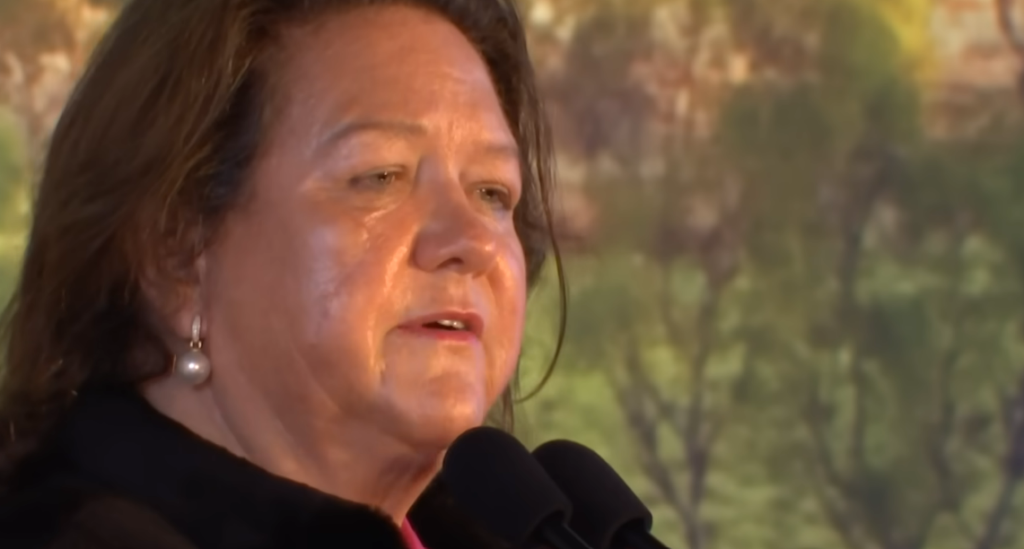
Although neither side seemed entirely at ease with Justice Smith’s description of the result as a “half-win,” it accurately reflects the convoluted reality of the decision. Wright Prospecting’s claim for royalties was successful. Its claim to an ownership interest in another part of the Hope Downs project was unsuccessful. The court rejected challenges from Wright Prospecting and, perhaps more surprisingly, from two of Rinehart’s own children, confirming Hancock Prospecting’s outright ownership of 50% of the relevant mining lease. Through a trust set up by their grandfather, Lang Hancock, John Hancock and Bianca Rinehart claimed to be the legitimate owners of Hope Downs. Justice Smith completely rejected those allegations.
The events that transpired in the hours following the ruling were practically simultaneous. In a statement, Jay Newby, executive director of Hancock Prospecting, highlighted the court’s rejection of the ownership claims. He framed the ruling as a victory for the company, focusing on the rejection of John and Bianca’s arguments while paying much less attention to the royalties finding that will cost the company hundreds of millions of dollars. In a lengthy personal statement, John Hancock pleaded with his mother to put the lawsuit behind her. “I hope we can finally put these events from decades ago behind us, and as a united family, celebrate and continue the contribution we have made to Australia,” he said. It was a tone of conciliation that coincided with Hancock Prospecting’s simultaneous announcement that his claims had been denied.
It is worthwhile to sit with the history that led to this moment. In the decades before Australian iron ore became the foundation of the world’s steel industry, former classmates Lang Hancock and Peter Wright entered the mineral rights business together, pegging tenements throughout the Pilbara. They reached an agreement with Don Rhodes in 1969 that included a tiny royalty percentage on the production of ore. They negotiated agreements between themselves regarding the distribution of their assets in the 1970s and 1980s; both men wanted to avoid the exact kind of conflict that their descendants have been engaged in for the past fifteen years. In 1985, Wright passed away. In 1992, Lang Hancock passed away. The agreements those two men negotiated in the time before the Pilbara became what it is today became the focus of courtroom disputes that have cost a great deal of time, money, and family relationships. The iron ore continued to come out of the ground, the money continued to flow, and the money continued to flow.
The weight of that history is difficult to ignore when reading the verdict. The Hope Downs mines, which were made possible by exploration, funding, government approvals, and ultimately a joint venture with Rio Tinto, are a component of Rinehart’s accomplishment of turning Hancock Prospecting into a truly global enterprise. That was not questioned by the court. It did state that those who supported her father during that story’s early years have a contractual claim to a portion of what those years ultimately yielded. The final bill for that portion is still pending. However, fifteen years after the initial filing, the obligation to pay it has now been established in a Perth courtroom.
Disclaimer
Nothing published on Creative Learning Guild — including news articles, legal news, lawsuit summaries, settlement guides, legal analysis, financial commentary, expert opinion, educational content, or any other material — constitutes legal advice, financial advice, investment advice, or professional counsel of any kind. All content on this website is provided strictly for informational, educational, and news reporting purposes only. Consult your legal or financial advisor before taking any step.
