

Imagine the morning ritual: the kitchen is still dark, the coffee maker is perched on the counter like a tiny appliance god, and all it takes to start a day is a single button press. That device is a Keurig for tens of millions of American homes. It has been one of the most successful consumer technology products in recent memory for almost 20 years. It is more than just a coffee maker; it is a whole platform, a subscription ecosystem centered around the tiny plastic pod that fits in the slot. Therefore, it garnered attention in a way that a washing machine defect suit just wouldn’t when the legal issues began to come in from several directions at once. Individuals take their coffee very personally.
When told correctly, the Keurig lawsuit story has at least three distinct threads, each of which reveals a different aspect of how a powerful consumer brand manages the discrepancy between what it claims to do and what its products actually accomplish. The K-Supreme defect case, which was filed in the Southern District of New York and settled for $950,000 with final court approval in September 2025, is the most immediately tangible. It was originally known as Cahill v. Keurig Green Mountain, Inc. The allegation is specific and almost poetic in its absurdity: Keurig’s K-Supreme, K-Supreme Plus, and K-Supreme SMART coffee makers, the lawsuit claimed, would permanently lose power and die during the descaling process — when consumers were following Keurig’s own cleaning instructions. It is said to have killed the machine that was meant to be maintained by descaling. Keurig denied any defect and any wrongdoing, as the company has in all its settlements, but agreed to establish a fund paying up to $250 per qualifying claimant, or alternatively, a 12-month extended warranty for those who haven’t yet experienced the failure.
A product that breaks precisely when you try to take care of it can be subtly annoying. The five-year class period, which runs from October 2020 to June 2025, appears to have put owners who followed the manual and acted responsibly at risk of permanently bricking their machines. The November 14, 2025, claim deadline for machines that failed prior to June 2025 has already passed. However, owners whose machines malfunction during descaling after that date have until September 30, 2027, to file claims. This noteworthy clause suggests that the parties expected the issue would persist.
Key Information Table
| Detail | Information |
|---|---|
| Company | Keurig Green Mountain, Inc. / Keurig Dr Pepper Inc. |
| Parent Company | Keurig Dr Pepper Inc. |
| Headquarters | Burlington, Massachusetts |
| K-Supreme Defect Case Name | Cahill v. Keurig Green Mountain, Inc. |
| K-Supreme Case Number | 22-cv-7507-CS |
| K-Supreme Court | U.S. District Court, Southern District of New York |
| K-Supreme Settlement Amount | $950,000 |
| K-Supreme Class Period | October 1, 2020 – June 20, 2025 |
| Affected Models | K-Supreme, K-Supreme Plus, K-Supreme SMART |
| Defect Alleged | Machine permanently loses power during descaling when following Keurig’s own instructions |
| K-Supreme Payout Options | Up to $250 cash OR 12-month extended warranty |
| K-Supreme Final Approval | September 30, 2025 |
| K-Supreme Claim Deadline (pre-June 2025 failures) | November 14, 2025 |
| K-Supreme Claim Deadline (post-June 2025 failures) | September 30, 2027 |
| Recyclability Lawsuit (Canada) | Keurig Canada Inc. settled for $1.33M USD (approx. $1.85M CAD) |
| Canadian Eligibility | Purchased K-Cup pods or brewers from 2016 onward |
| Canadian Payout | Up to $7 CAD (no proof); up to $50 CAD (with proof) |
| Canadian Claim Deadline | July 8, 2026 |
| Canadian Settlement Website | kcupsrecyclingsettlement.ca |
| SEC Action | September 10, 2024 — SEC charged Keurig Dr Pepper with inaccurate recyclability statements in 2019–2020 annual reports |
| SEC Civil Penalty | $1.5 million |
| SEC Violation | Section 13(a) of Securities Exchange Act of 1934; failure to disclose that major recyclers had refused K-Cup pods |
| Keurig’s Position | Denied all wrongdoing in both consumer class actions; settled without admission of liability |
| K-Supreme Settlement Administrator | Epiq; 1-888-839-5739 |
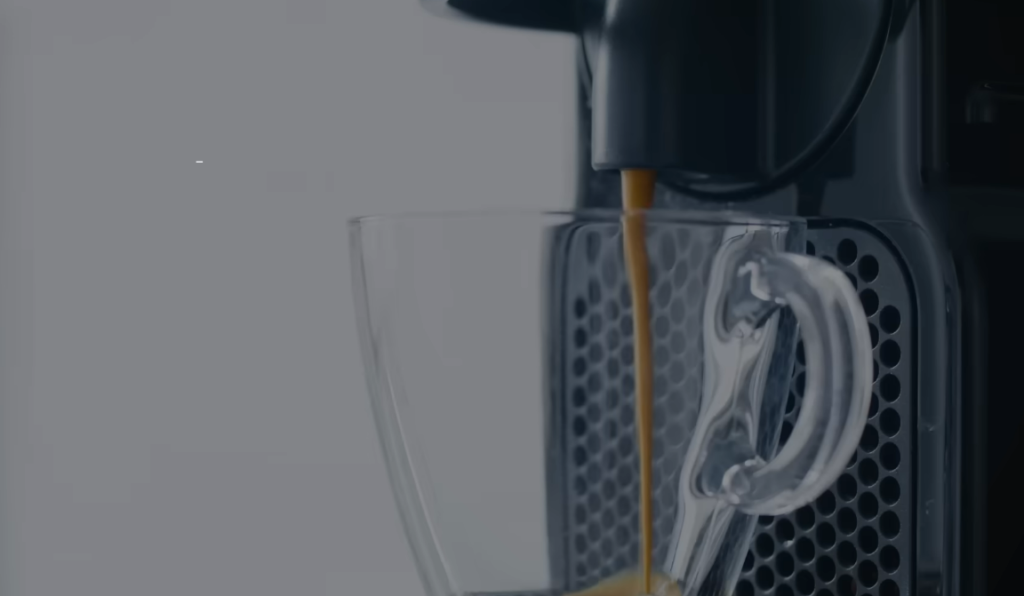
Then there is the recyclability case, which goes beyond a product flaw because it is central to Keurig’s environmental branding. K-Cup pods — those small, foil-topped plastic cups that made single-serve coffee so convenient and so prolific — have long attracted environmental criticism. The plastic, the foil, the filters, the coffee grounds all combined into a small unit of convenience that generates enormous waste at scale. For years, Keurig marketed its pods as recyclable, telling consumers that the material could be processed and reused if they peeled the foil lid, emptied the grounds, and placed the cup in their recycling bin. That marketing was the focus of a class action lawsuit in Canada, which Keurig resolved for about $1.33 million USD. The Competition Bureau of Canada found that K-Cups were not, in fact, widely accepted by most recycling facilities across the country — meaning the recyclability claim, however technically hedged, was misleading to ordinary consumers who reasonably assumed their blue bin would handle it.
The SEC added a sharper edge to the same story in September 2024, charging Keurig Dr Pepper with making inaccurate statements in its 2019 and 2020 annual reports regarding the recyclability of K-Cup pods. The SEC’s order found that Keurig had stated its testing “validated” that the pods could be effectively recycled — without disclosing that two of the largest recycling companies in the United States had told Keurig directly, at the time, that they had significant concerns about the commercial feasibility of curbside recycling of K-Cups and did not intend to accept them. A $1.5 million civil penalty was paid by Keurig. The message from regulators was clear: when a company speaks about environmental practices to investors, the disclosure has to be complete. Selective truth, especially on a topic where research showed environmental concerns influenced consumer purchasing decisions, is not acceptable.
It’s hard not to notice the particular timing of all this arriving together. The K-Supreme settlement, the Canadian recyclability case, the SEC penalty — they arrived within a roughly eighteen-month window, painting a picture of a company that had multiple accountability gaps catching up to it at once. None of the settlements include admissions of wrongdoing. That’s standard. But the accumulation of legal actions across product quality, environmental marketing, and securities disclosure creates a more complete portrait than any single case would.
There’s a feeling watching this unfold that the Keurig lawsuits are less about any individual settlement amount — $950,000 for a defective machine line is not a company-altering sum for Keurig Dr Pepper — and more about what they collectively document. A machine that, when properly cleaned, dies. recycling assertions that exaggerated practicality. Annual reports that left out what major recyclers had already told the company. The coffee continues to brew. However, it is getting more difficult to ignore the legal record, which is now several settlements deep.
Disclaimer
Nothing published on Creative Learning Guild — including news articles, legal news, lawsuit summaries, settlement guides, legal analysis, financial commentary, expert opinion, educational content, or any other material — constitutes legal advice, financial advice, investment advice, or professional counsel of any kind. All content on this website is provided strictly for informational, educational, and news reporting purposes only. Consult your legal or financial advisor before taking any step.
