

At first, it seemed almost impossible that the rumors about the Triumph 350Cc India release would start to spread. Triumph, a brand that has long been linked to British heritage, polished chrome, and the romanticism of café racers, is now deliberately entering India’s fiercely competitive 350cc battlefield. But here we are.
| Category | Details |
|---|---|
| Brand | Triumph Motorcycles |
| Indian Partner | Bajaj Auto |
| Segment | Sub-350cc premium motorcycles |
| Expected Launch | April 2026 |
| Engine Platform | Downsized version of 398cc single-cylinder engine |
| Target Rivals | Royal Enfield 350cc range |
| Manufacturing | Made in India (Export-focused platform continues) |
| Estimated Price Range | ₹1.70–1.90 lakh (ex-showroom, speculative) |
| Official Website | https://www.triumphmotorcycles.in |
| Partner Website | https://www.bajajauto.com |
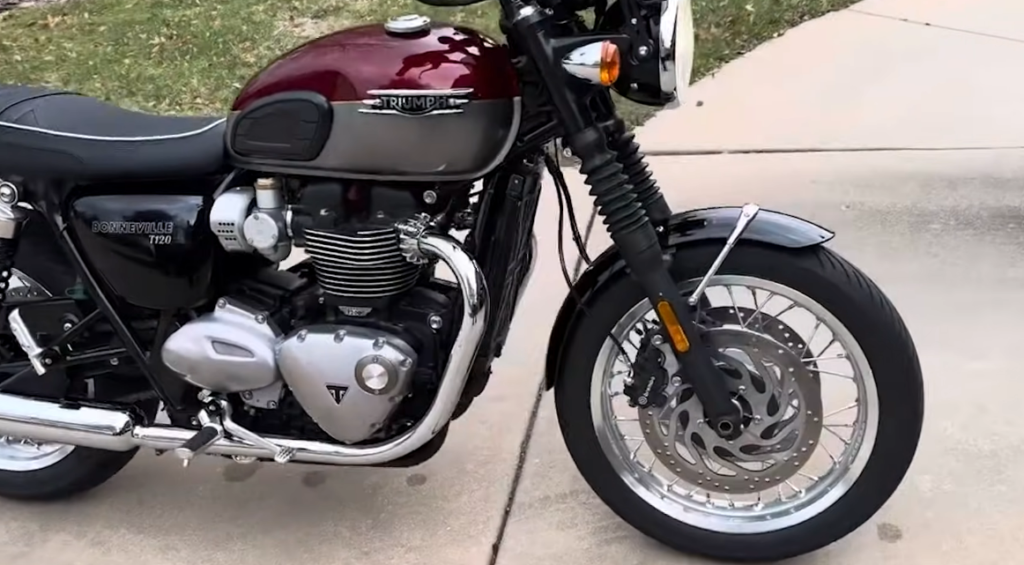
Bajaj Auto’s leaders have now confirmed that April 2026 is the expected launch window. The plan seems clear on paper: in India, engines with less than 350cc pay a much lower GST rate. If you go from a 398cc platform to something just below that, you might be able to charge less, reach more people, and avoid tax problems. There was still a quiet tension in the air last week when I stood outside a Triumph showroom in Pune and watched a pair of Speed 400s shine under soft halogen lights. Would buyers feel cheated if the badge had a smaller displacement?
Triumph might know more about India than skeptics think.
The 350cc engine is likely to be a short-bore version of the current 398cc single-cylinder engine. The stroke probably stays the same, which keeps the torque the same while lowering the displacement. That means the power could drop from about 40 horsepower to the low 30s. It looks like a downgrade on paper. When driving in India, like on the Western Express Highway near Mumbai or up the ghats outside Lonavala, usable torque is often more important than top-end speed.
It seems like this move is more about positioning than performance.
The 350cc segment in India isn’t just another group; it’s almost a part of the culture. The Classic 350 and Hunter 350 made Royal Enfield a huge company. The sound of a single-cylinder engine has become a part of the country’s soundscape. Triumph Motorcycles isn’t just selling motorcycles by entering this space. It’s like joining a ritual.
A group of young engineers talked about the upcoming 350 over cutting chai at a tea stall near Hinjewadi IT Park. One person said that the Speed 400 is already perfect: responsive, eager, and a little bit high-end. Someone else said that if Triumph can sell the 350 for around ₹1.75 lakh, it will be impossible to ignore. This launch may be defined by the tension between performance and price.
It looks like investors think this is a correction caused by taxes. But watching Bajaj Auto’s assembly lines outside of Chakan, where they build small-capacity Triumph models for export around the world, it seems more planned than spontaneous. There are already ways to make manufacturing more efficient. Supply chains are running smoothly. To downsize the engine, you don’t have to start over; you just have to make it better.
And in India’s two-wheeler market, refinement often wins.
It’s still not clear if the 400cc models will stay in India along with the 350 or mostly go to other countries. Some fans are afraid of dilution. Some people like how easy it is to get to. Last week, a Reddit thread was full of the age-old question: should I buy the Speed 400 now or wait for the cheaper 350? That one question shows that Triumph has successfully built up excitement.
There is also a psychological aspect to this. Owning a Triumph used to mean spending a lot of money. Now, for someone who is buying their first bike and upgrading from a commuter bike, the brand seems within reach. That badge on the fuel tank means something, even if the displacement goes down a little.
But competition won’t just sit there.
The Hunter 350 from Royal Enfield is still the best-selling bike in cities. Honda’s 350cc offerings appeal to riders wanting refinement over rumble. Even Harley-Davidson’s X440 partnership with Hero has tried carving a niche. Into this crowded street walks Triumph, balancing British legacy with Indian pragmatism.
It’s hard not to notice how quickly Triumph bikes have multiplied on Pune’s roads. A year ago, spotting a Speed 400 felt novel. Now they appear at traffic signals regularly, their LED DRLs cutting through dusty twilight. If the 350 does a good job of undercutting its competitors, that presence could double.
Price is the most important thing, of course. Estimates say that the price will be between ₹1.70 and ₹1.90 lakh. If Triumph gets too close to its current 400 pricing, the logic gets weaker. If it lands hard, the segment could change overnight.
As this plays out, it seems like the release of the Triumph 350Cc India is less about making an engine smaller and more about making dreams bigger. It shows that Triumph, Bajaj, and a partnership that has quietly grown up are all confident.
It won’t be clear until the first test rides in April whether the bike feels “watered down” or well-tuned. Engines revving up in stores. Buyers are circling with cautious hope. Salespeople saying torque numbers over and over with fake excitement.
Disclaimer
Nothing published on Creative Learning Guild — including news articles, legal news, lawsuit summaries, settlement guides, legal analysis, financial commentary, expert opinion, educational content, or any other material — constitutes legal advice, financial advice, investment advice, or professional counsel of any kind. All content on this website is provided strictly for informational, educational, and news reporting purposes only. Consult your legal or financial advisor before taking any step.
