

The stock of Raspberry Pi Holdings plc has acted like a meme, which is unusual for a British hardware company. They were trading below their IPO price of 280 pence for a week. The following day, they were illuminating the London-based FTSE 250 ticker boards with a two-day rally that saw them soar by as much as 40%.
The contrast between the company’s modest beginnings and the recent market turmoil is difficult to ignore. The Raspberry Pi was first created in Cambridge classrooms to teach kids how to code on low-cost single-board computers. The small green boards are found in plastic cases next to jumper wires and breadboards in electronics stores ranging from the Akihabara neighborhood of Tokyo to backstreet hobby shops in Manchester. Speculative fever was never intended to be sparked by them.
And yet here we are.
This time, the spark seems to have been a combination of chatter about artificial intelligence and CEO confidence. Financially speaking, Eben Upton’s purchase of shares on the open market for about £13,000 was a small transaction. However, it landed in a different way symbolically. Particularly following a months-long decline in the share price, investors appear to interpret insider buying as a sign of conviction.
At the same time, rumors circulated on social media that Raspberry Pi devices might replace other hardware as the preferred choice for executing AI agents like OpenClaw. One widely shared post recommended hoarding Pis as a less expensive substitute for expensive Apple devices. It’s possible that buying pressure was fueled more by the concept than by real demand.
| Category | Details |
|---|---|
| Company Name | Raspberry Pi Holdings plc |
| Ticker Symbol | RPI.L |
| Exchange | London Stock Exchange |
| Founded | 2012 (Foundation origins earlier) |
| CEO | Eben Upton |
| Headquarters | Cambridge, United Kingdom |
| Industry | Computer Hardware / Single-Board Computers |
| Market Cap | ~£800 million (approx.) |
| 52-Week High | 697.5 GBX |
| IPO Price | 280 GBX |
| Core Product | Raspberry Pi Single-Board Computers |
This pattern has a familiar feel to it. In recent years, markets have generously and recklessly rewarded anything even vaguely related to artificial intelligence. Nvidia was the first to experience it, followed by smaller cloud players and, somewhat surprisingly, a British company that makes computers the size of credit cards.
Hardware, however, is harsh.
The Raspberry Pi 5, particularly the 16GB model, is no longer the incredibly low-cost novelty that it was. Due in part to supply volatility and memory shortages, prices have gradually increased. The company issued a warning in January that although core earnings for 2025 would surpass forecasts, uncertainty surrounding memory pricing could cast a shadow over 2026. That’s not how a wildly successful growth story is told. It is a manufacturer’s language for negotiating supply chains.
It seems a little strange to watch traders ignore these fundamentals and respond to AI speculation. The company’s reality outside of London trading desks is still based on OEM relationships, distributors, and components. The go-to-market network is getting stronger as authorized resellers spread throughout the world. That’s not meme material; it’s steady, methodical work.
Nevertheless, narrative is just as important to markets as data.
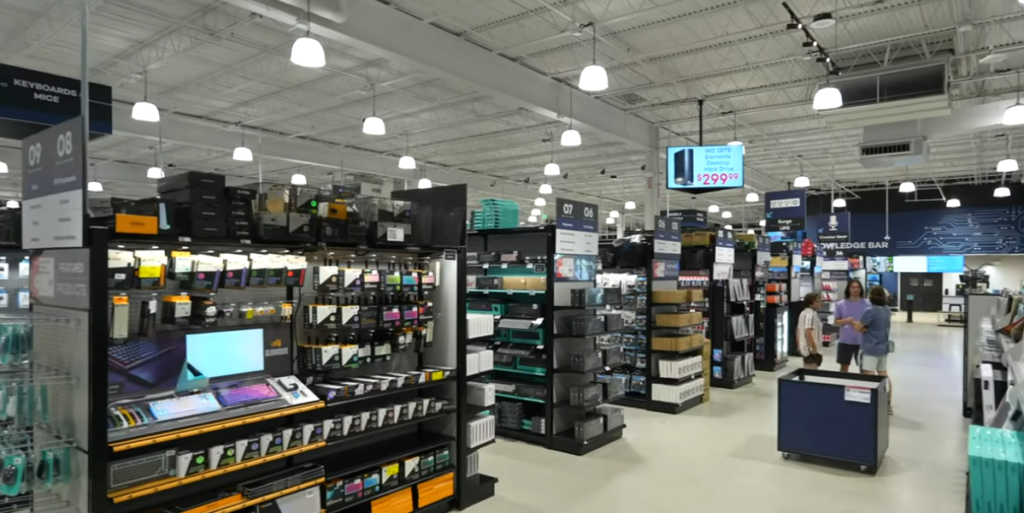
In Tokyo, a more subdued tale is told by Raspberry Pi parts neatly arranged on shelves. They are acquired by hobbyists for robotics projects. They are wired into home labs by students. They are incorporated into industrial sensors by engineers. These are not overnight explosions; rather, they are incremental use cases. However, the perception changes when the stock rises 30% in a week.
Whether AI-driven demand will significantly increase revenues is still up in the air. At best, there are limitations when it comes to running complex large language models locally on a Raspberry Pi. The Pi functions more as a lightweight terminal than a powerhouse because the majority of AI agents already rely on cloud APIs. This subtlety is understood by the technical community. Perhaps the larger market won’t.
The Raspberry Pi seems to be torn between two personas. On the one hand, it is a well-run hardware company with a market value of about £800 million that serves the embedded and educational markets and generates consistent margins. However, it has turned into an unintentional AI proxy that has been drawn into speculative currents that it did not deliberately start.
Even after the rally, the stock is still around 50% below its peak from the previous year. That background is important. The rebound feels like validation for long-term shareholders who stuck with the decline. The timing is less clear for new players looking to gain traction.
It’s difficult not to be a little impressed by how a modest Cambridge outfit ended up becoming popular on trading forums. One feels both opportunity and fragility as they watch this play out. Shares can rise rapidly due to AI enthusiasm, but it can also fall just as quickly.
Raspberry Pi must handle inventory, bargain for component prices, and ship tangible goods, in contrast to software companies that can grow with little additional expense. Limitations in supply may cause margins to narrow. Increases in demand may put a strain on distribution. Here, growth is concrete rather than hypothetical.
Nevertheless, the company’s positioning has a subtly appealing quality. Affordable boards may see a resurgence in interest as companies test low-power AI prototypes and edge computing. They are chosen for their cost-effectiveness by practical engineers, not because of viral tweets.
Investors seem to be split. Some believe a defunct UK tech brand is making a comeback. Speculative froth is suspected by others. There is truth in both points of view.
The stock of Raspberry Pi currently hovers between hype and credibility. The rally is a reflection of buzz about AI, optimism, and insider confidence. It’s unclear if that optimism will result in steady earnings growth.
