

With its propellers slicing through the humid morning air, the drone slowly rose from the edge of a concrete landing pad close to India’s western coastline. Fishermen nearby stopped for a moment as they watched the machine raise a tiny white container, which was said to contain diagnostic samples that would typically take hours to transport by road. Perhaps something more significant than a standard logistics test was caught in that instant. It seemed like a subtle change in the direction of healthcare.
India and the United Arab Emirates have started collaborating on the delivery of medical supplies via coastal drones, establishing a cross-border technological alliance that is influenced as much by ambition as by geography. Both nations have lengthy coastlines that are peppered with ports, islands, and industrial areas—areas where conventional transportation frequently lags due to weather, traffic, and distance. Drones promise to completely circumvent those restrictions by flying directly over water. It’s still unclear if they can do so consistently.
The partnership’s reasoning appears to be simple. Speed is crucial to medical logistics, particularly in emergency situations. According to studies, drones can reduce delivery times by more than half when compared to road vehicles; in some cases, trips that take almost 40 minutes can be shortened to just over 10. Although that distinction might not seem significant at first, it alters the results of diagnostic tests and blood transfusions. It seems as though engineers are attempting to redesign time itself as you watch one of these drones vanish into the distance.
A lot of experimentation has already been done, especially in India. According to reports, businesses like Skye Air Mobility have used drones to make millions of deliveries, boosting investor and hospital confidence. In order to minimize delays brought on by traffic in places like Bengaluru, some hospitals now send blood samples by air rather than by road. Investors appear to think that these initial achievements support expanding the concept, even across international coastal corridors.
| Category | Details |
|---|---|
| Initiative | Coastal Drone Delivery for Medical Supplies |
| Partner Countries | India and United Arab Emirates |
| Purpose | Rapid delivery of medicines, blood, and medical samples |
| Technology | Autonomous UAVs with real-time monitoring and secure payload systems |
| Key Companies Involved | Skye Air Mobility, Airbound, UAE drone logistics firms |
| Target Areas | Coastal and hard-to-reach shoreline communities |
| Expected Benefit | Faster delivery, reduced delays, improved emergency care |
| Reference Website | https://www.digitalhealthnews.com |
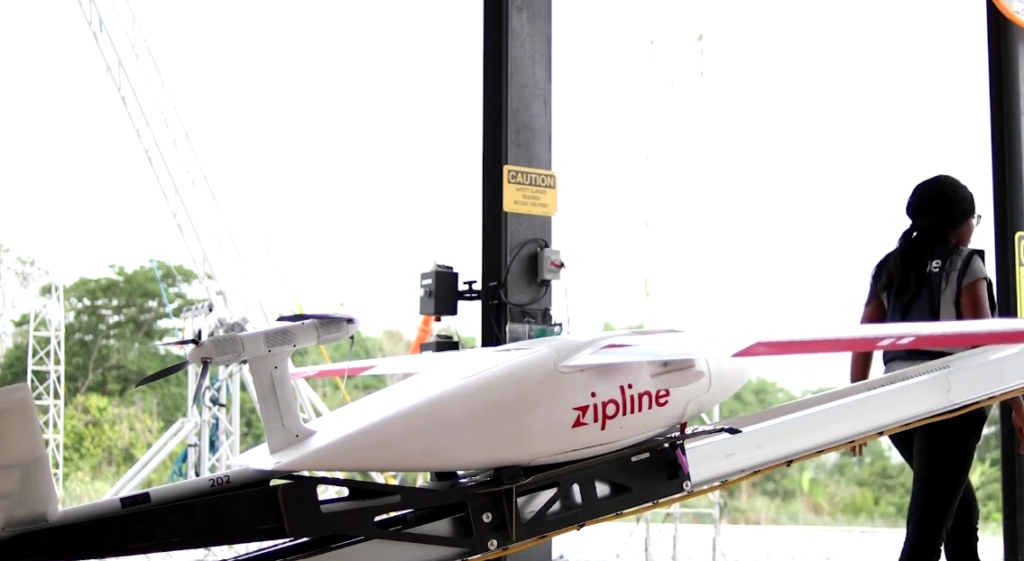
The United Arab Emirates offers a unique experience. Drone delivery trials have been quietly going on in Dubai for years. Logistics companies have been testing flights that are beyond visual line of sight in both urban and coastal areas. During one of these demonstrations, observers standing close to Dubai’s waterfront reported seeing drones fly with unnerving accuracy along invisible routes that had been programmed long before takeoff. How those systems will manage erratic coastal weather over longer distances is still unknown.
The issue of trust is another.
Deliveries of medical supplies are not typical parcels. They deal with delicate, occasionally life-saving cargo. In response, engineers have created encrypted tracking systems and temperature-controlled containers to guarantee that medical supplies stay stable while in flight. Healthcare professionals waiting on the ground can receive real-time updates from certain drones that can now measure temperature, humidity, and vibration. Although that degree of control implies meticulous preparation, it also creates new risks, such as software malfunctions, signal interruptions, and basic mechanical issues.
Geographically, the partnership is especially intriguing along the coast. Despite contemporary infrastructure, many coastal communities—particularly smaller ports and islands—remain surprisingly remote. Drones can fly straight across the long stretches of roads that wind around bays and estuaries. Drones have the potential to effectively link clinics that have never been connected before.
This project seems to be about more than just medicine.
For many years, India and the United Arab Emirates have been enhancing their economic relations in the areas of trade, technology, and energy. Given our mutual interest in autonomous systems and smart infrastructure, drone logistics fits into that larger relationship. It is evident from hearing officials talk about these plans that they view drones as symbols of technological alignment as well as tools.
However, optimism is accompanied by hesitancy.
Regulations surrounding drone delivery are still unclear, particularly when it comes to international airspace. Safety procedures, emergency protocols, and flight corridors must all be coordinated by aviation authorities. Even minor errors in judgment could be dangerous. While engineers discuss AI navigation and redundancy systems, the weather is still obstinately unpredictable.
The human element comes next.
Healthcare professionals have historically moved supplies in coastal villages using boats, ambulances, and personal networks. Though not flawless, those systems are well-known. Something new is introduced by drones; it’s less tangible and less visible. There seems to be less human involvement as one lands and unceremoniously releases its cargo.
However, the potential is still hard to overlook.
Traffic doesn’t stop drones from flying. At checkpoints, they don’t wait. They move effectively, directly, and almost unconcernedly. This apathy could result in quicker care, quicker responses, and quicker relief for patients who are waiting in remote clinics.
Disclaimer
Nothing published on Creative Learning Guild — including news articles, legal news, lawsuit summaries, settlement guides, legal analysis, financial commentary, expert opinion, educational content, or any other material — constitutes legal advice, financial advice, investment advice, or professional counsel of any kind. All content on this website is provided strictly for informational, educational, and news reporting purposes only. Consult your legal or financial advisor before taking any step.
