

A soft breeze filtered through the canopy of lindens planted in the city on a pleasant afternoon in central Helsinki. The oppressive warmth I’ve become accustomed to from crowded downtowns wasn’t emanating from the pavement beneath my feet. A minor change had occurred.
Here, urban planners are subtly transforming the city by incorporating nature into its architecture. As infrastructure, not as a garnish. By using biophilic architecture, Finland is actively cooling its cities, from moss-covered public buildings that release humidity back into the atmosphere to rooftops covered in low-growing sedum. And it’s working incredibly well.
Rising surface temperatures have been a problem for metropolitan areas during the last 10 years as climate pressure has increased. Because concrete retains heat during the day and releases it gradually at night, it frequently causes brief heatwaves that disproportionately impact lower-income areas, the elderly, and children. These heat islands indicate disproportionate exposure to climate extremes, which is more than mere discomfort in the context of environmental justice.
Helsinki and its urban counterparts are reversing that trend by incorporating nature-based solutions and green roofs into city planning. Recently, I was standing on top of a school building in Espoo that had been transformed into a tiny meadow on the entire rooftop. Even during periods of extreme heat, the building underneath was kept far cooler by the mosses, grasses, and blooming plants that not only absorbed sunlight but also held onto water.
| Item | Details |
|---|---|
| Country | Finland |
| Focus | Biophilic urban design to reduce urban heat island effects |
| Key Cities | Helsinki, Espoo, Tampere |
| Main Strategies | Green roofs, urban vegetation, moss-covered buildings |
| Environmental Benefit | Lower surface temperatures and improved air quality |
| Social Benefit | Enhanced wellbeing, cooler public spaces |
| Design Elements | Urban forests, permeable landscapes, nature-inspired architecture |
| Goal | Resilient, sustainable, liveable cities |
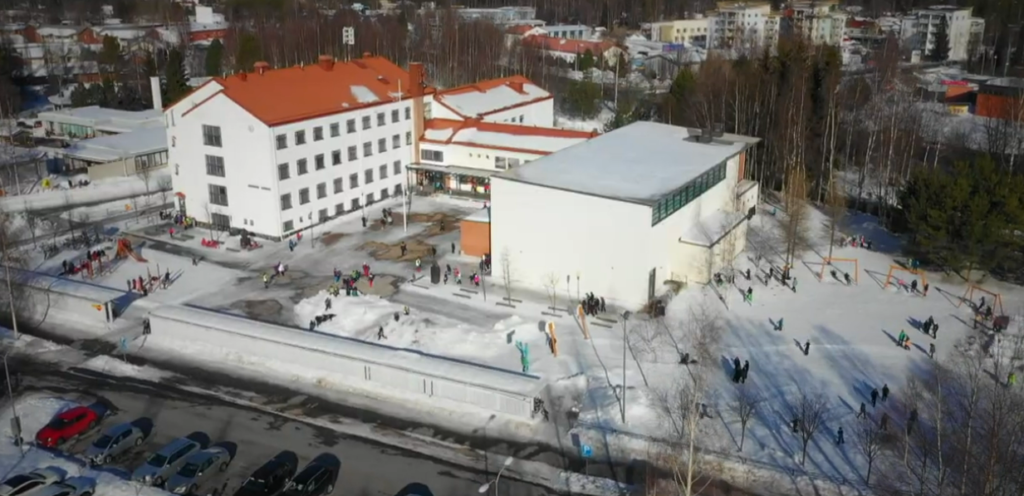
In addition to being evident, the outcomes are measurable and spectacular. During the warmest week of the summer, researchers found that temperatures in some green-scaped neighborhoods of Helsinki were almost 5 degrees Celsius lower than those in similar concrete-heavy districts. It’s a thermal shield that safeguards thousands of people’s comfort and health, not a slight variation.
By means of strategic collaborations with architectural firms and environmental experts, Finnish towns are creating living facades, water-sensitive landscapes, and green corridors that make city walking enjoyable, even on the warmest days. These components aren’t decorative. They chill the environment while effectively filtering particulate matter, lowering noise pollution, and fostering biodiversity.
In Tampere, there is a plaza with tall ferns growing along the stone walkways and wooden chairs shaded by trees. A group of youngsters were lounging in the shade when I came in late July, laughing with their feet in a shallow stream that was intended to amuse them and control stormwater runoff. One of them mentioned how the summers used to feel oppressive in her flat next door. She tossed a pebble into the lake and remarked, “Now I just sit out here until the sun drops.”
Urban planners have modified block layouts to incorporate cross-ventilation breezeways and vegetal buffers that regulate temperature and wind flow by utilizing data from climate models. These designs provide a modern yet forgiving urban shape by allowing cities to maintain their density while incorporating natural cooling systems.
Helsinki has significantly improved air quality measures and decreased health concerns connected to urban heating since implementing its most recent climate adaption policy. Increased tree cover and passive cooling architecture are directly linked to a decrease in heatstroke admissions, as reported by southern hospitals last summer.
Rainwater is not wasted in Finland because permeable pavements and subterranean bio-swales are used to store and repurpose it for sustaining urban flora. One school playground in particular caught my attention. Rainwater from the roof was directed into a tiny garden, which nourished flowers and plants that encircled a climbing wall. It was a happy, dynamic cycle of play and utility.
There was significant hesitancy throughout the planning stage, primarily due to maintenance and cost. Even doubters, however, have been taken aback by the long-term savings. A robust return on investment has been indicated by decreased public health expenses, higher property prices, and cheaper cooling bills. And the consent of the public? Very high.
These shifts are changing daily routines at the street level. More people are taking walks, congregating beneath shady pergolas, and even working from park seats encircled by vertical gardens. It feels softer and safer in addition to being cooler. Instead of being restricted to sun-scorched concrete yards, children are able to chase butterflies through bioswales while laughing. Quiet, green closeness has been rewoven into the city’s social fabric.
Finnish cities are demonstrating that climate-resilient infrastructure can be both functional and aesthetically pleasing through a combination of engineering, policy, and carefully considered design. They have succeeded in creating adaptable urban areas without compromising livability by constructing alongside nature rather than against it.
The intentionality was more impressive to me than the vegetation alone. Every pocket park, shaded walkway, and green roof serves a specific function. These dynamic systems actively contribute to the city’s well-being rather than serving as passive backdrops.
The foundation was established years ago by effective civic leadership, community involvement, and public education, even if the advantages are now quite evident. In addition to being consulted, residents were given authority. Urban ecology became part of the curriculum in local schools. Green murals that served as air-purifying walls were co-designed by artists and conservationists.
Cities like Helsinki are no longer only test cases because this mentality was ingrained in them early and extensively. They serve as models for a sustainable transition, providing other cities facing climate stress with important insights. It goes beyond simply cooling the air. Restoring a common human rhythm in which the city pulses with its inhabitants is the goal.
The biophilic turn in Finland is not a passing trend or a fad. It’s a conscious, data-driven move toward creating livable and profoundly compassionate futures. This strategy is incredibly adaptable and surprisingly cost-effective in the long run, serving as a potent reminder that sustainability can flourish in the open—leaf by leaf, step by step.
Disclaimer
Nothing published on Creative Learning Guild — including news articles, legal news, lawsuit summaries, settlement guides, legal analysis, financial commentary, expert opinion, educational content, or any other material — constitutes legal advice, financial advice, investment advice, or professional counsel of any kind. All content on this website is provided strictly for informational, educational, and news reporting purposes only. Consult your legal or financial advisor before taking any step.
