

What was formerly a sizable incentive for early car deregistration is now being redesigned to align with the nation’s electric goals. An important change is being made to Singapore’s automobile policy, which includes the PARF rebate. The fine print is more important than ever this time.
The Preferential Additional Registration Fee refund was quietly but firmly cut by the Ministry of Finance during the most recent Budget 2026 announcement. Drivers registering new automobiles will have their potential refunds reduced by 45 percentage points by the next COE bidding round. The upper limit will now be S$30,000, which is exactly half of its previous amount.
Numbers aren’t the only factor here. The PARF refund has been a subtle but important factor in many families’ and businesses’ car buying plans. A reassuring safety net was a S$60,000 rebate at the end of a car’s life. Now that comfort is disappearing.
The number of electric car registrations has skyrocketed in the last 12 months. The government’s reasoning is straightforward: since almost half of new automobile purchases are now electric, there is less of a need to promote early vehicle scrappage due to lower emissions. They believe that the inducement is no longer appropriate at this time.
| Key Detail | Description |
|---|---|
| Policy Name | PARF Rebate (Preferential Additional Registration Fee) |
| Announcement Date | February 12, 2026 |
| Effective From | Next COE bidding exercise (closing Feb 20, 2026) |
| Rebate Reduction | 45 percentage point cut across all vehicle age brackets |
| New Maximum Rebate Cap | S$30,000 (previously S$60,000) |
| Reason for Change | Rising EV adoption, reduced need to incentivize early vehicle deregistration |
| Affected Vehicles | Cars and taxis registered from next COE round; classic cars excluded |
| Credible Source | Straits Times – Budget 2026 PARF Rebate |
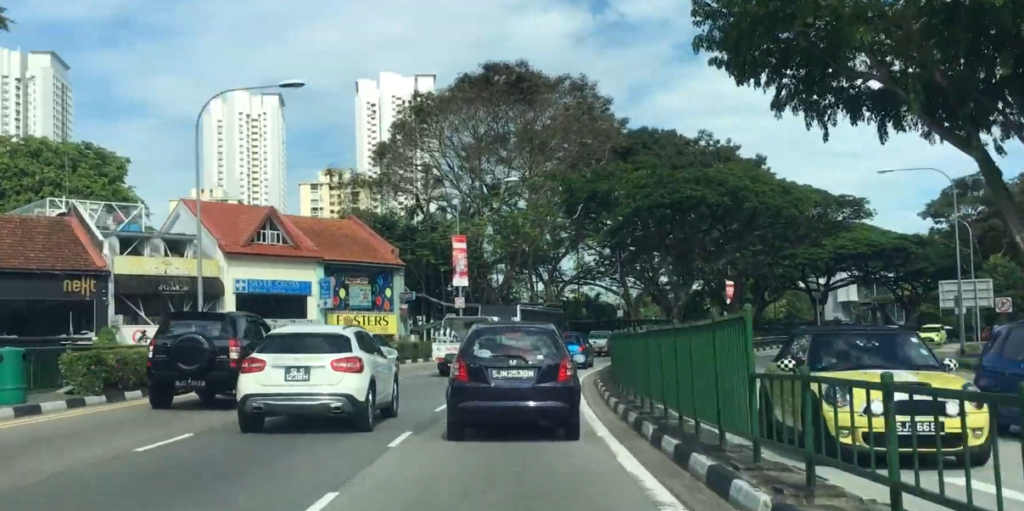
Under the new arrangement, an automobile that is deregistered before five years will receive a 30% reimbursement rather than a 75% one. It falls to 25% in the fifth and sixth years. Additionally, the owner will only receive 5% of the money back if the car is decommissioned in its last year, which is a far lower amount than the 50% that was previously received.
The transition is especially noticeable for owners of expensive cars. In its later years, a luxury vehicle with an ARF of S$120,000 used to provide a substantial refund. After adjustment, the same model yields a much lower return. Purchases of luxury models, especially those that are typically purchased for prestige rather than functionality, may be severely discouraged by this change.
Neo Nam Heng of Prime Group expressed his worries early. He predicts a quick decline in interest in cars with high ARFs because he is a dealer who is familiar with varying demand. He was echoing the excitement that was already circulating around showrooms rather than making any wild guesses.
Last week, I heard a middle-aged couple pause in the middle of a conversation when I was going through Leng Kee’s car belt. The wife mumbled, “That changes everything,” after the salesperson had just gone over the updated rebate structure. Her tone was recalculating rather than angry.
The policy change has practical implications for private-hire companies and taxi drivers. These businesses frequently use the potential refund amount to mitigate the risks associated with leasing and depreciation. Leaner margins may result from the changes, especially for companies operating more recent fleets that haven’t yet reached their peak efficiency.
However, there are certain strategic benefits to the shift. The government is quietly leveling the playing field by lowering these rebates. Vehicles with lower ARFs, particularly electric versions from companies like BYD and MG, are increasingly more appealing in comparison. They might be the more sensible option due to their lower upfront expenses and already low rebate expectations.
This approach could be especially helpful for younger professionals and families making the switch to sustainable transportation by reducing the price difference between expensive combustion automobiles and mid-range EVs. It indicates a recalibration of market momentum in addition to encouragement.
Walter Theseira, a transport economist at SUSS, noted that the revised rebate targets individuals who can afford expensive cars without specifically penalizing them, functioning as a type of indirect wealth tax. Because of its tasteful design, it avoids the public uproar that frequently precedes direct taxation.
The Land Transport Authority has made it clear that only cars registered on or after February 13, 2026, are subject to these modifications. Older car owners are protected from the shift. Classic cars, motorcycles, and commercial vans are unaffected. However, the market as a whole will have to change swiftly.
This is the second significant revision of automobile taxes in less than three years, following the latest ARF modification in 2023. When combined, they show a changing perspective on car ownership that is more and more influenced by economic balance and sustainability.
It remains to be seen if these shifts are subtly incorporated into longer-term purchasing habits or if they are seen right away in auto showrooms. However, it is clear that the calculus has evolved. Style and horsepower are no longer the only factors. Spreadsheet projections and policy ripple effects are now also involved.
Disclaimer
Nothing published on Creative Learning Guild — including news articles, legal news, lawsuit summaries, settlement guides, legal analysis, financial commentary, expert opinion, educational content, or any other material — constitutes legal advice, financial advice, investment advice, or professional counsel of any kind. All content on this website is provided strictly for informational, educational, and news reporting purposes only. Consult your legal or financial advisor before taking any step.
