

Usually, it begins with a click. You’re pressed for time, you believe the reviews, the brand is well-known, and the price is reasonable. You open the bottle a few days later, expecting to discover capsules, but instead you find shattered fragments or worse, a gritty powder that sticks to the interior like leftovers from a botched science experiment. This is not uncommon. The Amazon “dust” problem has become so prevalent among wary shoppers that it has earned its own moniker.
There is more to this “dust” than just an aesthetic annoyance. It’s a subliminal indication that something went seriously wrong during the shipment from the manufacturer to your home. The consequences are especially severe when you’re consuming what should be exact formulations, regardless of whether it’s the result of improper storage, fake relabeling, or products that are just past their shelf life.
The warning has been getting louder over the past few months. A very disconcerting fact is being brought to light by fitness forums, Reddit posts, and dietitians alike: even supplements labeled as “fulfilled by Amazon” can not be what they seem. Identical products from several sellers are combined on Amazon due to a procedure known as inventory commingling. This implies that your “official” bottle might have originated from an entirely unreliable source. You won’t know until it’s too late if it’s genuine, diluted, or phony.
| Topic | Details |
|---|---|
| Issue | Counterfeit supplements sold on Amazon |
| Key Term | “Dust” – filler material or degraded capsules found in supplement bottles |
| Risk | Up to 43% of products may be counterfeit or underdosed |
| Label Fraud | “Pixie-dusting” and ingredient substitution are common |
| Root Cause | Amazon’s commingled inventory and lack of stringent seller oversight |
| Protective Steps | Buy direct, inspect contents, look for third-party testing |
| Regulatory Oversight | Supplements face looser rules than pharmaceuticals |
| External Source | New York Times Wirecutter |
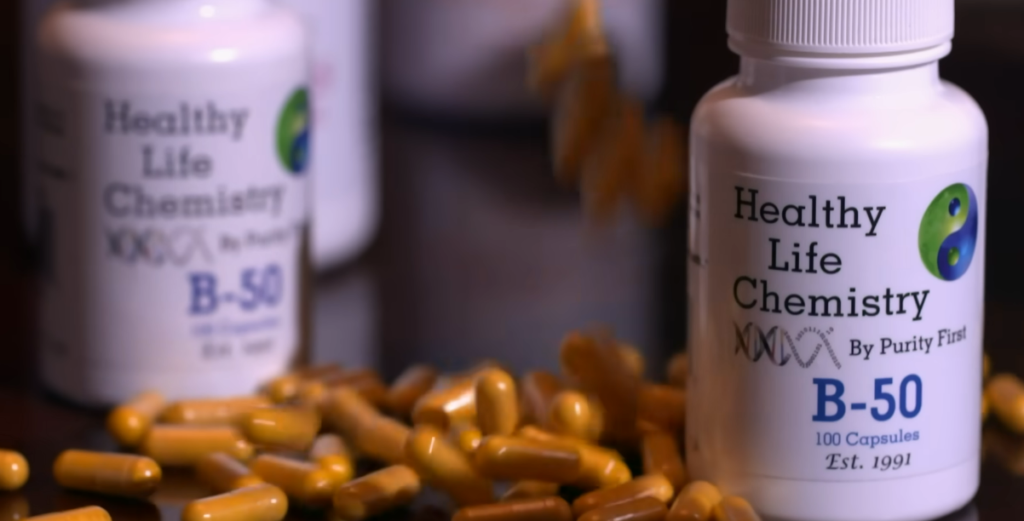
The fact that the deceit is frequently so well-executed is particularly annoying. Scammers imitate well-known brands surprisingly well. The packaging looks remarkably alike. The list of ingredients seems to be unaltered. The reviews are excellent—until you look for the most recent grievances and begin to see trends: strange textures, surprising side effects, and tablets that change color.
What about the producers? Before clients get in touch with them directly, many aren’t even aware that it’s taking place. Some people find that capsules that should be white turn green or yellow all of a sudden. When the source is identified, it turns out to be a reseller with complete access to Amazon’s marketplace but no authorization, not the manufacturer.
Counterfeiters are using Amazon’s size to their advantage, which is concerning. They don’t have to set up a phony shop. All they have to do is insert their goods into the same inventory process. The system takes care of the rest once it’s inside.
Another layer of dishonesty is added by the “pixie-dusting” practice. A trace amount of the promised substance may be present in certain items, just enough to evade the most cursory examination. Others are cushioned with inexpensive fillers, such as rice flour, or, in more unsettling situations, possibly dangerous substances that have no known source.
I once opened a generic magnesium bottle that I hadn’t used in months and detected a subtle chemical smell that I hadn’t previously noticed. The tablets dissolved strangely, more like chalk than a slow-release vitamin, yet their structure remained the same. I tossed it aside. However, I couldn’t help but worry how long I had been taking a dubious version without realizing it.
There is no paranoia here. According to independent research, up to 43% of dietary supplements that are marketed online can be fake or of poor quality. That’s almost half. Furthermore, even while refunds are frequently handled fast, the health risks cannot be reversed.
Amazon could develop a more transparent verification mechanism by working with well-known companies, but it appears that the platform’s priorities are elsewhere. Even when customers report questionable products, they receive automated answers, evasive acknowledgements, and occasionally their evaluations are removed. Accountability seems far away.
There are still useful strategies to deal with this problem in spite of its ambiguity. To begin with, whenever feasible, buy straight from the brand’s website. Nowadays, a lot of supplement businesses have their own online storefronts with stringent inventory management. Look for the “Visit the [Brand] Store” tag and make sure it takes you to the official manufacturer if you must use Amazon.
Choose third-party-tested vitamins for extra peace of mind. Seek certifications such as Informed Choice, NSF, or USP. While not flawless, these are noticeably more reliable than depending just on packaging. They show that an outside lab has at least verified the contents.
Examine every bottle as soon as it is delivered. Red flags should be raised if the seal is broken, the texture changes, or the aroma is unusual. Additionally, be in mind that the content within may have been altered or corrupted even if the label is still intact.
The situation might be significantly improved with more stringent control and better traceability of packaging. However, the buyer must use caution till then. Although Amazon is incredibly convenient for home products, there is an additional risk when it comes to the things we put into our bodies.
The supplement business itself is not without fault. The regulatory environment is especially lax. Supplements do not need FDA preapproval, in contrast to medications. This disparity has made it possible for businesses to manufacture private-label goods with less quality control in factories that are not subject to regulations, frequently located abroad. The production facility that carries their company name is a place that many entrepreneurs have never ever visited.
A supplement insider recently talked about how simple it is to start a new label on a podcast. Simply select a generic formula, send a label design to a contract manufacturer, and have it delivered to a warehouse. That’s all. After the product is placed on the shelf—or in the digital cart—there is frequently no follow-up, no mandatory potency testing, and no third-party inspection.
Many merchants ignore the true makeup of what they’re selling in favor of price, quickness, and promotion. They see it as an e-commerce endeavor rather than a health product.
The future doesn’t have to be grim, though. Greater public awareness and pressure are causing larger platforms to start tightening their controls. To prevent the contamination of genuine and counterfeit material, several have already committed to separating inventory by vendor. If carried out openly, this may be a very advantageous step.
In the meantime, customers are becoming more independent. They are rejecting the lowest-price instinct, reading reviews more seriously, and asking more intelligent questions. After all, health is not a cheap commodity.
Disclaimer
Nothing published on Creative Learning Guild — including news articles, legal news, lawsuit summaries, settlement guides, legal analysis, financial commentary, expert opinion, educational content, or any other material — constitutes legal advice, financial advice, investment advice, or professional counsel of any kind. All content on this website is provided strictly for informational, educational, and news reporting purposes only. Consult your legal or financial advisor before taking any step.
