

The café menu board promises redemption in a cup and is written in that omnipresent looping chalk language. Nestled between the matcha and the flat whites is the “Golden Milk Latte,” which costs only $7 and is advertised as a mood enhancer, detoxifier, and anti-inflammatory elixir. When it is delivered, it appears to be sunlight preserved in pottery, with a dash of cinnamon added for visual appeal. You sip. It is reassuring, earthy, warm, and faintly spicy. A question remains, though, as the yellow liquid makes its way into your stomach: am I genuinely benefiting from this, or have I just overpaid for spicy milk?
Like most things in the wellness sector, the response is a disappointing combination of “yes, absolutely” and “probably not the way you’re drinking it.”
| Key Facts | Details |
| Active Compound | Curcumin (anti-inflammatory, antioxidant) |
| Main Challenge | Low bioavailability (poorly absorbed by the body on its own) |
| Required Pairing | Piperine (found in black pepper) increases absorption by up to 2,000% |
| Fat Solubility | Curcumin is fat-soluble; needs fat (milk, coconut oil) for absorption |
| Daily Limit | High doses (>1-2 tsp daily) can cause digestive issues |
| Café Reality | Often contain insufficient turmeric and high sugar, negating benefits |
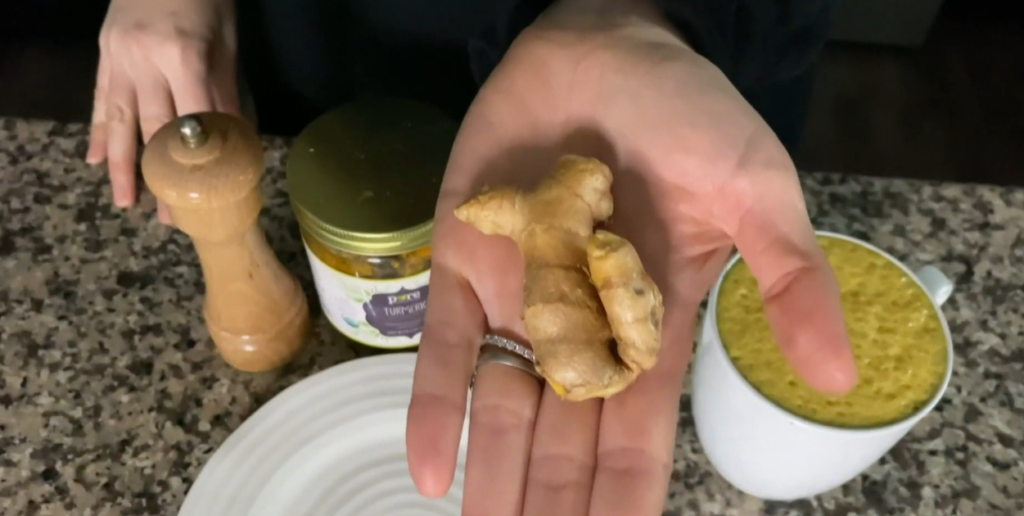
Curcumin, the key ingredient that gives the root its vivid yellow color, is the main reason why turmeric lattes are so well-known. Curcumin has actually excited scientists. According to studies, it is a strong anti-inflammatory that can reduce inflammation in the body on par with other prescription medications. It is a potent antioxidant that combats cell-damaging free radicals. Additionally, new research indicates that it may increase BDNF, a protein that functions as a neuronal fertilizer, which may help prevent depression and age-related deterioration.
Curcumin’s fundamental fault is that the human body notoriously finds it difficult to absorb.
Most of that valuable curcumin would simply go straight through your digestive system and out the other side, doing nothing at all for your joints or brain, if you were to take a tablespoon of raw turmeric powder or drink it blended into water. Here, the chemistry of the “Golden Milk” tradition—known as haldi doodh in Ayurvedic treatment for centuries—becomes essential.
The old formula focused on bioavailability as much as flavor. Fat and pepper are the two key holders needed to unlock the advantages of turmeric. Curcumin binds to fats because it is lipophilic. The chemical passes through the intestinal wall without being absorbed if there is no fat source, such as the coconut oil in contemporary vegan forms or the entire milk or ghee used traditionally.
Even more important is the second key. Piperine, a substance found in black pepper, slows down the liver’s breakdown of curcumin. Just a sprinkle of black pepper can boost absorption of curcumin by up to 2,000 percent, according to research.
Last week, I sat in a hip coffee establishment and watched the barista make three consecutive “Golden Lattes” while sadly observing that she used skim milk and no pepper at all.
This is where the science and the street-corner application diverge. The exact ingredients that give turmeric lattes their medicinal properties have frequently been removed as a result of their commercialization. In essence, a pre-mixed powder from a sachet that has been dissolved in non-fat almond milk and sweetened with three pumps of vanilla syrup is a yellow-tinted sugar bomb. Ironically, the sugar increases inflammation, so negating whatever slight advantage that the minuscule doses of turmeric may have provided.
The dose problem is another. One often needs large doses of curcumin—often more than what is available in a teaspoon of turmeric powder—to produce the therapeutic effects observed in clinical investigations. A daily latte is not a panacea, but it can help with an overall anti-inflammatory diet. It won’t reverse the consequences of a week of processed food and lack of sleep, nor will it treat arthritis overnight.
However, it would be cynical to completely disregard the turmeric latte. The practice has relevance even if the physiological absorption in a café setting is not flawless. Our civilization is fueled by cortisol and caffeine. In and of itself, switching from a jittery third cup of coffee to a warm, caffeine-free mug of spiced milk is a health intervention. The ginger, which is frequently included to the combination, helps to calm the stomach. The nervous system is calmed by the warmth. The placebo effect, which is the idea that you are helping yourself, causes actual physiologic changes that improve mood and reduce stress hormones.
The kitchen, not the coffee shop, is probably the answer for people who want the true advantages. A genuine health tonic is a homemade golden milk that has been stirred on the stove with full-fat oat or dairy milk, a knob of coconut oil, a heaping helping of premium turmeric, and a crack of fresh black pepper. History and chemistry work in favor of this beverage.
In the end, the turmeric latte is a prime example of how contemporary wellness fads commercialize traditional knowledge. They sell us the idea of health—the vivid hue, the exotic moniker—while frequently ignoring the science behind how it functions. Even so, it’s a tasty beverage that is unquestionably healthier than a caramel frappuccino. However, you may need to look at the pepper grinder’s ingredients list if you are drinking it in the hopes of a medical miracle.
Disclaimer
Nothing published on Creative Learning Guild — including news articles, legal news, lawsuit summaries, settlement guides, legal analysis, financial commentary, expert opinion, educational content, or any other material — constitutes legal advice, financial advice, investment advice, or professional counsel of any kind. All content on this website is provided strictly for informational, educational, and news reporting purposes only. Consult your legal or financial advisor before taking any step.
