

In recent weeks, the air around Cuba among Canadian vacationers has evolved from laid-back optimism to quiet worry. The island was always seen to be a dependable winter getaway, but Ottawa has updated its travel alert. Why? Even the most protected vacation towns are being disrupted by a combination of public upheaval, economic distress, and intermittent power outages.
Canada’s advice now warns passengers to take a high degree of care. This isn’t due to a single catastrophic event but rather a growing, cumulative pressure that’s progressively weakening the predictability of travel to Cuba. There is no gasoline to run generators or buses, no medication in clinics, and no assurance that hotel showers will function.
These cautions may appear abstract at first—cautionary government rhetoric. But talk to someone newly back from Havana or Holguín, and the fissures become evident. Inconsistencies in air traffic cause flights to land late. Taxis are sparse. Groceries, even at all-inclusive destinations, are rationed behind the scenes. Electricity stops randomly in the middle of the day, slowing elevators, disabling Wi-Fi, and melting refrigerated food before dinner is served.
| Advisory Level | High Degree of Caution |
|---|---|
| Key Concerns | Shortages of food, water, fuel, electricity, and medicine |
| Affected Areas | Entire country, including major resorts |
| Issued By | Global Affairs Canada |
| Safety Risks | Power outages, civil unrest, petty crime, transportation disruption |
| Health Alerts | Hepatitis A, Dengue, waterborne illness risk |
| Visa Requirement | Tourist visa required (often included in travel packages) |
| Reference | Travel.gc.ca – Cuba |
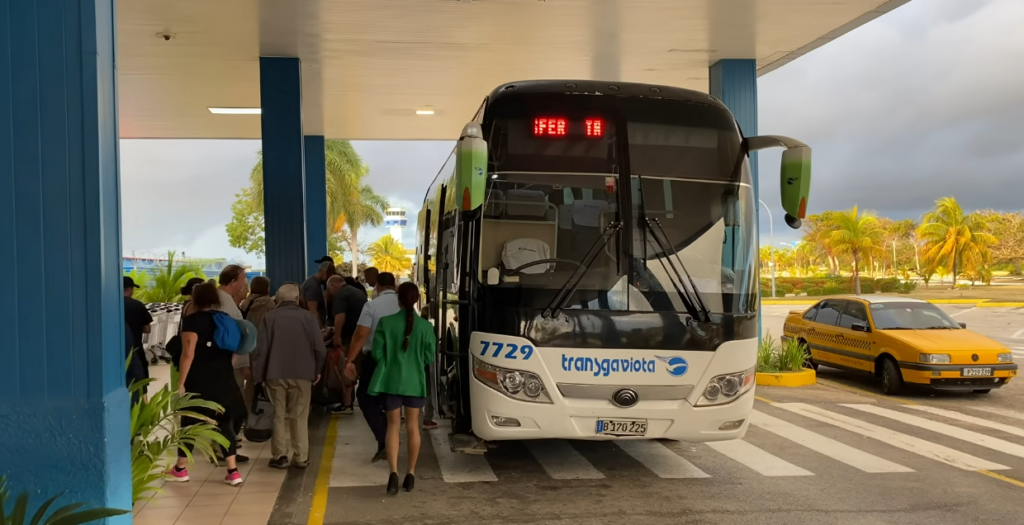
What’s particularly troubling is the speed at which these conditions have deteriorated. Over the past twelve months, Cuba’s access to basic resources has been considerably limited, a consequence of extended U.S. sanctions—particularly those reintroduced under Donald Trump’s government. Fuel imports have dried up as a result of these limitations, and without fuel, everything else suffers, including basic transportation, water purification, and electrical systems.
Resorts that used to shield visitors from Cuba’s harsher realities are now struggling. Some have backup generators, but those too require diesel. Others are quietly cutting back on services, such as lowering buffet options, reducing housekeeping, or turning off air conditioning during off-peak hours. At first, these might seem like small annoyances, but over the course of a week, they become draining.
Canadians considering a trip are now encouraged to prepare with an exceptional level of foresight. That includes carrying medications, backup hygiene supplies, extra bottled water, and—if possible—portable power banks. In some rural communities, visitors are reporting queues at gas stations that stretch for blocks, often erupting into angry altercations.
Particularly in busy public areas and nightlife areas, petty crime is still an issue. Although pickpocketing and bag theft are not new, sporadic cases have occurred even in beach destinations due to growing economic distress. Guests have reported stuff vanishing from private rooms and rental automobiles, a pattern considerably more prevalent than in past years.
Health dangers have also been amplified. There’s been a rise in hepatitis A among Canadians returning from Cuba. Drinking unclean water or eating undercooked food—once a rare worry in tourist areas—is now a tangible risk. The government’s recommendation is quite clear: boil, peel, or avoid. It’s pragmatic rather than frightening.
Some travelers have shared accounts that read like broadcasts from another period. A teacher from Edmonton recalled how her hotel’s single elevator stopped working during a blackout, locking a guest inside for nearly an hour. A retired couple from Halifax had their Cuba dream holiday upended when their beachside resort ran out of clean towels and drinking water on day four.
I found myself quietly uneasy after hearing a friend describe the smell of diesel from a failing generator seeping into their room while the lights flickered during supper.
Despite this, Cuba remains tremendously intriguing. Its beaches are still pristine. Its people are warm and hardy. But getting there today takes an attitude shift—from passive visitor to prepared participant. When executed properly, that change can be empowering, but for those hoping for carefree leisure, it might be confusing.
Mexico and Argentina have joined Canada in upgrading their advisories. They all highlight the same fundamental issues: overburdened infrastructure, erratic access to essentials, and the growing challenge of evacuating the island in an emergency. Cuba has not closed its doors to tourists, but there is no denying that the hospitality system is deteriorating.
Tour operators are reacting with caution. Some continue to advertise Cuban vacations at discounted rates, particularly in the off-peak months. Others, particularly smaller agencies, are urging customers delay or rebook to destinations with more constant service availability. Industry experts warn that unless the Cuban government secures additional fuel supply lines or foreign help, the situation could stay hazardous into the summer.
Canadian diplomatic services are operating in Havana, Guardalavaca, and Varadero. But passengers should note their offices are also vulnerable to the same fuel and communication constraints affecting the entire island. Emergency help may take longer to arrive. Cellular service is patchy. During blackouts, even the Wi-Fi in large hotels stops working.
In order to expedite help in the event of an emergency, the government advises anyone visiting Cuba to register as a Canadian abroad. Additionally, it emphasizes how crucial it is to have comprehensive health insurance that covers medical evacuation. The quality of Cuban hospitals varies greatly, and private clinics are sometimes unable to obtain even the most basic medications. The only practical solution in more dire situations is evacuation, which is quite costly without insurance.
Traveling to Cuba in 2026 isn’t impossible, but it is markedly different from what many Canadians recall. It involves thought, planning, and a degree of patience. It also invites a more conscientious type of tourism—one that respects the local poverty without romanticizing it or expecting it to stay hidden behind closed resort gates.
For now, caution isn’t merely a government guideline—it’s a necessity established on actual experience. The blue water is still there. But beneath it, the tides have altered.
Disclaimer
Nothing published on Creative Learning Guild — including news articles, legal news, lawsuit summaries, settlement guides, legal analysis, financial commentary, expert opinion, educational content, or any other material — constitutes legal advice, financial advice, investment advice, or professional counsel of any kind. All content on this website is provided strictly for informational, educational, and news reporting purposes only. Consult your legal or financial advisor before taking any step.
