

The conversation about Fallout Remastered has gained traction in recent days in a way that seems both natural and strategically timed. Steam trailers left without ceremony, insiders began murmuring, and suddenly the Capital Wasteland felt closer than it had in years. Nothing showy, nothing theatrical—just a subtle change that caught alert players off guard.
For lifelong fans, the memory of Fallout 3’s 2008 debut remains eerily comparable to stepping out of Vault 101 for the first time. The brightness felt harsh, even accusing, and the scale of Washington, D.C. was frightening. Back then, the jump into a completely 3D environment was highly novel, changing expectations for role‑playing games.
Now that Game Pass is available and backward compatibility has been upgraded, the experience seems significantly better without losing its individuality. Performance is much faster, visuals look cleaner, and load times are noticeably shorter on the Xbox Series X and Series S. Yet the usual quirks—the slightly awkward NPC movements, the odd physics—remain reassuringly intact.
That balance matters.
Over the past decade, remasters have become a very efficient way for companies to extend a franchise’s lifespan. Some start from scratch and polish every surface until it shines. Others employ a lighter touch, refining performance while keeping tone. The latest version of Fallout seems to favor the latter, honoring the ethos that helped it persist while enhancing what matters.
| Item | Details |
|---|---|
| Title | Fallout 3 Remastered (Rumored/Soft-Released) |
| Developer | Bethesda Game Studios |
| Original Release | October 2008 |
| Format | Action RPG (First-Person / Third-Person) |
| Remastered Enhancements | Higher resolution, smoother FPS, faster load times |
| Availability | Xbox Game Pass (Unofficial soft launch), Xbox Series X |
| Associated Media | Fallout Season 2 finale (Prime Video, Feb 3, 2026) |
| Public Evidence | Deleted Steam trailers, Microsoft leak (2023), insider comments |
| Official Announcement | None (as of February 2, 2026) |
| Source | Player.One |
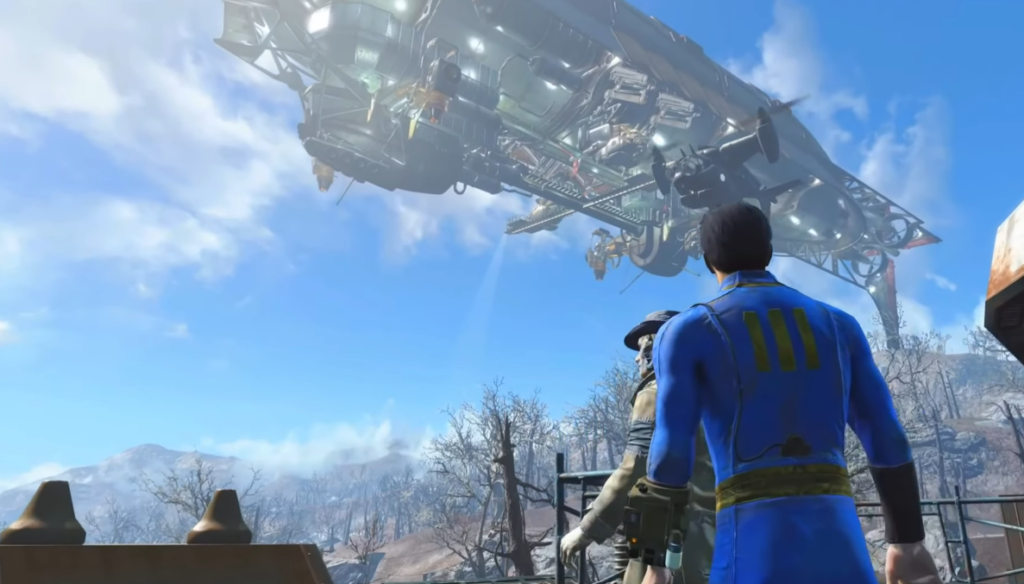
Bethesda may be using a very successful tactic by scheduling this rebirth to coincide with the Fallout Season 2 finale on Prime Video. Television renews interest; gaming grabs it. The pacing feels planned without being heavy-handed, fostering curiosity rather than forcing excitement.
For players discovering the franchise through streaming, this accessibility is extremely advantageous. With Game Pass, the entry cost is surprisingly inexpensive, thereby removing friction. A subscription unlocks the whole trip, making it highly adaptable for both new players and veterans returning after years away.
I was lost in the Museum of Technology once more on a recent playback, listening to far-off ambient echoes reverberating down virtual hallways. The atmosphere stays extraordinarily obvious in its intent: loneliness, anxiety, and subtle comedy intermingled. Even after almost twenty years, such emotional stability feels incredibly dependable.
And perhaps that consistency explains the franchise’s durability.
Back in 2023, paperwork related with Microsoft’s acquisition of Bethesda named Fallout 3 among planned remasters. At the time, it sounded speculative. Yet Oblivion’s shadow release revealed that such intentions could materialize suddenly. The pattern now feels startlingly similar, supporting the feeling that something planned is occurring.
Insider opinion has added fuel, especially by names recognized for measured reporting. Although there hasn’t been an official announcement confirming a full remake, it appears like the groundwork has been secretly built. In the context of modern franchise management, gradual enhancement can be just as effective as a radical redesign.
I recall thinking, as the radio crackled to life with an old Ink Spots track, that sometimes progress works best when it does not shout.
In a time of show, the subtle approach is especially creative. Instead of extensive marketing initiatives, Bethesda appears to be leveraging anticipation, timing, and platform synergy. By cooperating with Amazon’s streaming success, the studio has extended reach without overextending promises.
From a technical perspective, the upgrades are highly efficient rather than transformative. Combat feels much faster and more responsive because of the improved frame rates. Load screens vanish more faster, minimizing the friction that once interrupted immersion. These modifications, while slight, are extremely successful in boosting playability.
For returning players, nostalgia acts almost like a familiar perfume, surprisingly vivid and emotionally intense. Walking through Megaton again, seeing the corroded metal walls and feeling that faint metallic wind, awakens recognition that seems extremely enduring. Memory fills in what resolution cannot.
However, the choice to not start from scratch is just as telling. Fallout 3’s imperfections—its occasional stiffness, its weird NPC pauses—are part of its identity. Removing them totally could peel away texture, like sanding down an old wooden table until its history disappears.
In the coming years, the combination of streaming media and interactive entertainment is projected to deepen. Renewed attention cycles will probably help studios that synchronize releases across mediums. By capitalizing on Season 2’s finale, Bethesda exhibits a forward-looking awareness of viewer behavior.
Through deliberate alignment and measured enhancements, Fallout Remastered represents more than nostalgia. It suggests a franchise that is particularly trustworthy in sustaining attention across generations. The game may not appear significantly different, but it performs more seamlessly, attracting both suspicion and praise.
For younger gamers, the Capital Wasteland becomes a novel discovery rather than a relic. For older fans, it is a homecoming that feels comfortably familiar yet subtly refined. It bridges age differences without alienating either side because to its very adaptable dual appeal.
As debates continue, the absence of a spectacular announcement may prove incredibly effective. Anticipation builds differently when driven by observation instead of advertising. Fans analyze hints, contrast notes, and conjecture, creating an organic collective momentum.
Whether formally announced or not, Fallout Remastered captures a larger reality about the lifetime of video games. Sometimes development is not about reinvention but about meticulous preservation, strengthened intelligently and provided at precisely the appropriate moment.
And it feels like the time is right this time.
Disclaimer
Nothing published on Creative Learning Guild — including news articles, legal news, lawsuit summaries, settlement guides, legal analysis, financial commentary, expert opinion, educational content, or any other material — constitutes legal advice, financial advice, investment advice, or professional counsel of any kind. All content on this website is provided strictly for informational, educational, and news reporting purposes only. Consult your legal or financial advisor before taking any step.
