

It started not with fanfare, but with flickers on Instagram: a potion blazing neon green, a corgi in silk hanfu, and a duel unfolding by a banyan tree. This wasn’t a photoshoot, nor a tourist gimmick. It was the first-ever Renaissance Fair in Singapore, genuine, colorful, and full of improbable happiness.
Held at Fort Canning’s historic garrison quarters, the two-day festival emerged like a magical story written overnight. Under the name Ren Faire SG: The Origin, it featured a fictional realm named Xenaria—an carefully created cosmos sewn from medieval legend, Southeast Asian textures, and unrestrained humor.
Visitors didn’t only attend. They transformed. It was impossible to tell the organizers from the visitors by midday on the day of the opening. Corsets gleamed next to improvised thrones, cloaks rustled in the humid breeze, and spells were cast, some with foam and some with stunning realism. An elven barista provided mushroom espresso from a stall themed like a forest glade.
The event attracted significantly larger crowds than many had anticipated and was remarkably successful in igniting public curiosity. Organiser Caylee Chua, aged 23, drifted between booths with a clipboard and a bewildered expression. “We were hopeful,” she admits, “but nothing prepares you for this kind of turnout. It seems a bit bizarre.
| Detail | Description |
|---|---|
| Event Name | Ren Faire SG: The Origin |
| Dates | January 31 – February 1, 2026 |
| Location | Fort Canning Park (Old Married Soldiers Quarters) |
| Attendance Estimate | Target: 6,000–8,000; ~5,000 tickets sold by Jan 31 |
| Notable Highlights | 70+ vendors, live portrait painting, swordplay, potion stalls, DND quests |
| Featured Theme | “Xenaria” – A fantasy city blending medieval Europe with whimsy |
| Organizer | Caylee Chua, 23 |
| Cultural Significance | Singapore’s first-ever large-scale fantasy-themed renaissance festival |
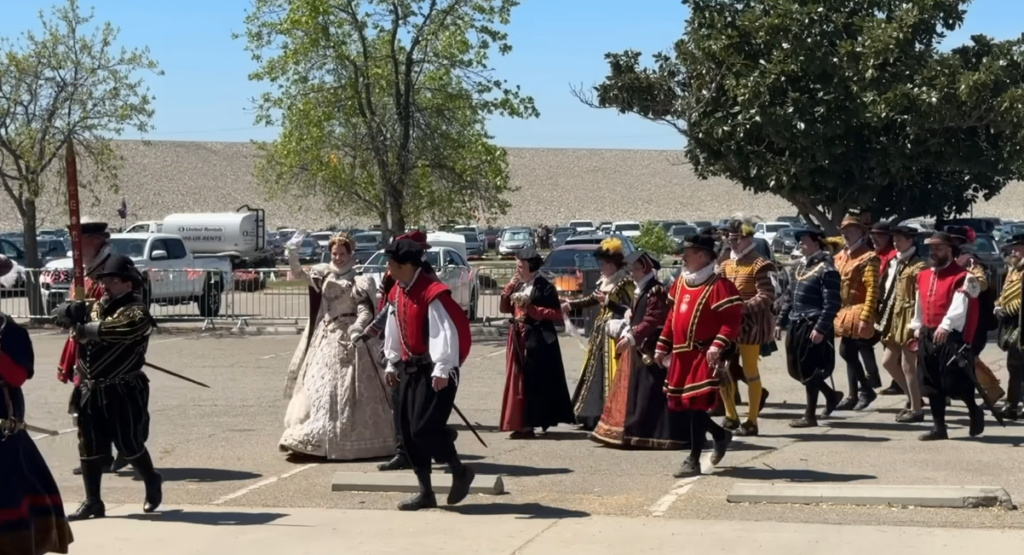
Over 70 vendors joined the show, and each offered more than products—they offered immersion. There was a potion shop providing color-coded tonics with names like “Goblin Resilience” and “Fortune in Liquid Form.” An oil painter charged anywhere from S$8 to S$500 to sketch people into character—some fierce, some silly, all genuinely human.
One particularly inventive highlight came from the stamp search. Participants carried small parchment-style booklets, gathering stamps across the park by accomplishing tasks: casting a pretend fire spell, solving riddles, haggling in fake riches. Children and adults alike queued up, laughing in accents they’d devised on the spot.
Incredibly adaptable as a cultural gathering, the fair attracted not just fantasy diehards but also office workers, retirees, schoolkids, and curious passersby. Some arrived in full armor. Others in thrifted capes. There were fairies in platform sneakers and witches with LED-staffs. Nobody was out of place.
Notably, cosplay and aesthetics weren’t the only factors involved. A feeling of participation went through everything. People didn’t come to spectate—they came to belong. The event changed the typical narrative of local markets by incorporating quests, performances, and interaction. It became less of a product demonstration and more of a social ritual.
At the swordplay ring, cheers erupted not from choreographed routines but from the sheer novelty of steel meeting air in medieval dance. Techniques that are uncommon in Singapore were displayed by members of the Pan Historical European Martial Arts Society. Kids gasped. Older couples leaned in closer. Phones recorded everything.
During a quieter period, I met a woman named Serena with a handcrafted pirate coat. Her twin sons—dressed as rogue knights—were enjoying “elven nectar” under a jacaranda tree. “We usually go to malls,” she continued, “but this felt different. More vibrant
That word—alive—echoed throughout the park.
There was a physical intensity that brought back memories of childhood, from hand-stitched capes to bubbling cauldrons. People conversed. They shared jokes and stories. They roleplayed in Singlish. For a little time, the typical constraints of behavior loosened—not chaotically, but creatively.
By dusk, gentle lights flickered around tents, and a folk band played beneath hanging lanterns. It felt oddly archaic and stunningly present at once. TikTokers danced beside violinists. Vendors yelled in false accents. A father wheeling a stroller while dressed as a steampunk priest posed for photographs with a dragon tamer.
At only $10 to $15 for admission, the fair was surprisingly inexpensive and provided an experience that continued long after you left. I noticed a man in full wizard robes adjusting his commuter card while riding the escalator back to Fort Canning MRT. A few tourists grinned, wondering whether to bow or ask for a photo.
Discussions for growing this modest but extremely ambitious project have already started since its inception. More days. More suppliers. Possibly new venues. And if this year is any guide, there is a need for places where imagination may run wild, not only for fantasy.
In the backdrop of Singapore’s rigorously organized event calendar, Ren Faire SG felt like an overdue surprise. It didn’t strive to copy traditions entirely. Instead, it reinvented them, adjusting them to local humor, climate, and rhythm. The effect was both brilliantly ludicrous and emotionally resonant.
With careful preparation and a bold creative leap, the fair transformed into something few had anticipated: a tiny cultural landmark clad in glitter and chainmail.
And the next time?
We’ll bring our own cloaks.
Disclaimer
Nothing published on Creative Learning Guild — including news articles, legal news, lawsuit summaries, settlement guides, legal analysis, financial commentary, expert opinion, educational content, or any other material — constitutes legal advice, financial advice, investment advice, or professional counsel of any kind. All content on this website is provided strictly for informational, educational, and news reporting purposes only. Consult your legal or financial advisor before taking any step.
