

When the streets empty out and the city softens into its quieter self, movement doesn’t stop—it simply changes pace. In recent months, Transport for London has responded to this shift with something particularly thoughtful: a contactless bike‑share scheme designed not just for rush-hour commuters but for those who ride when most others don’t. The updated Santander Cycles system, remarkably effective in its simplicity, opens London’s streets to late-night cyclists with just a tap and a scan.
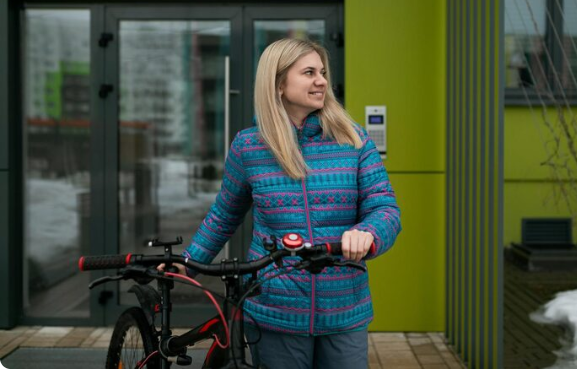
For years, accessing a bike in the late hours required patience and planning. Riders often encountered dead terminals, card readers that refused cooperation, or docks depleted of anything useful. Now, using the Santander Cycles app, unlocking a bike is as effortless as ordering a coffee—an experience notably improved by the integration of QR codes and real-time updates. For a city that increasingly runs around the clock, the shift feels overdue and quietly transformative.
Contactless Bike‑Share Launch for Night Riders – London
| Feature | Description |
|---|---|
| Service Provider | Transport for London (TfL) |
| Scheme Name | Santander Cycles |
| Fleet Highlights | 2,000+ electric bikes, 800+ docking stations |
| Technology | Contactless smartphone app, QR code unlocking |
| Availability | 24/7 all-year service |
| New Infrastructure Plan | £220 million contract with Lyft Urban Solutions and Serco (2026–2036) |
| Pricing Model | £1.65 per 30 mins (standard), £3.30 per 30 mins (e‑bike), £3 Day Pass |
| Community & Safety Features | “Glow Rides” to promote visibility and safety at night |
What makes this scheme particularly beneficial is the presence of electric bikes—over 2,000 of them—spread across a vast grid of more than 800 docking stations. These e‑bikes are surprisingly affordable considering their convenience and performance, costing just £3.30 for a 30-minute journey. Members pay even less, encouraging repeat use and a deeper integration of cycling into everyday life. For standard bikes, the entry point remains modest at £1.65, with the £3 Day Pass offering unlimited short rides within 24 hours.
By launching a £220 million infrastructure overhaul starting in 2026, TfL is aiming much higher than cosmetic upgrades. The contract, extending through 2036, brings in Lyft Urban Solutions and Serco to deploy self-charging electric bikes—a particularly innovative step that eliminates one of the most persistent frustrations: drained batteries. For many regular riders, including those on late-night commutes, this single improvement might be the tipping point between hesitation and habit.
The contactless model extends far beyond convenience. It represents a meaningful cultural shift—toward access that is intuitive, barrier-free, and respectful of the unpredictable nature of urban life. Through strategic partnerships and continuous reinvestment, the scheme is evolving into something significantly faster and smarter than the clunky terminals of a decade ago.
While cycling has long been associated with daylight routines and leisure, this scheme is extending its reach into new emotional territory: safety after sunset. The “Glow Rides” campaign, which promotes visibility and empowerment for night riders—particularly women—has created a strikingly similar impact to community walking groups or mutual aid efforts during the pandemic. It offers solidarity through presence.
I recall seeing one of these rides by the river last November, the procession illuminated not just by reflective gear but by something more abstract—a shared conviction that public space should belong to everyone, no matter the hour.
What stands out is how the technical details are not left to overshadow the human ones. By integrating app-based feedback, clear lighting at docking stations, and seamless payment systems, the upgrades feel exceptionally clear and user-focused. The emphasis is not on tech for tech’s sake, but on making the experience emotionally and practically accessible to more people.
In the context of climate goals and congested city streets, pushing more journeys onto electric bikes is an undeniably wise move. TfL’s figures already show that e-bikes are drawing in new demographics—those who may not have cycled in years, or who were previously discouraged by hills, distance, or fatigue. Reducing reliance on private cars, especially at night when public transport runs thinner, is not just logical—it’s increasingly necessary.
Perhaps the most heartening signal is the ease with which this system adapts to different lives. For a nurse finishing a shift at 2 a.m., for a student returning from the library, for a parent grabbing late-night essentials, the new scheme becomes an option—maybe even a small ritual. That kind of flexibility isn’t just appreciated; it builds loyalty.
I found myself thinking about that while reading a quote from a regular rider in Hackney, who said the app’s reliability and always-charged e‑bikes would make her feel safer and more independent on late commutes. That stuck with me—not because it was surprising, but because it was so plainly, genuinely true.
Since the launch of the contactless system, usage during off-peak hours has seen an encouraging uptick. Riders are discovering that the scheme, previously confined to daytime errands or scenic Sunday rides, is remarkably effective as a late-night companion. The app’s data is reportedly being used to identify demand hotspots, which could lead to smarter rebalancing of bikes and docks—a welcome shift toward highly efficient resource management.
Disclaimer
Nothing published on Creative Learning Guild — including news articles, legal news, lawsuit summaries, settlement guides, legal analysis, financial commentary, expert opinion, educational content, or any other material — constitutes legal advice, financial advice, investment advice, or professional counsel of any kind. All content on this website is provided strictly for informational, educational, and news reporting purposes only. Consult your legal or financial advisor before taking any step.
