

The 68th Grammy Awards unfold on Sunday, with the clockwork elegance of an industry rooted in show. Set for February 1, 2026, the evening follows a timetable that—at least on paper—looks perfect, while the real texture of the night always reveals itself live.
The main ceremony officially starts at 8:00 PM Eastern time. At that point, the lights go down, the crowd settles in, and Trevor Noah—who is hosting for the sixth time in a row—enters the stage to frame the evening with charm and sardonic humor. But in reality, the performance starts long before the cameras roll.
| Detail | Information |
|---|---|
| Event | 68th Annual Grammy Awards |
| Date | Sunday, February 1, 2026 |
| Time | 8:00–11:30 PM ET / 5:00–8:30 PM PT |
| Red Carpet Coverage | Starts around 6:00 PM ET (3:00 PM PT) |
| Premiere Ceremony | 3:30 PM ET (12:30 PM PT) via live.grammy.com |
| Location | Crypto.com Arena, Los Angeles |
| Host | Trevor Noah (6th consecutive year) |
| Broadcast Channels | CBS, Paramount+ (Premium) |
| Featured Performers | Justin Bieber, Lady Gaga, Rosé, Tyler, The Creator, Bruno Mars |
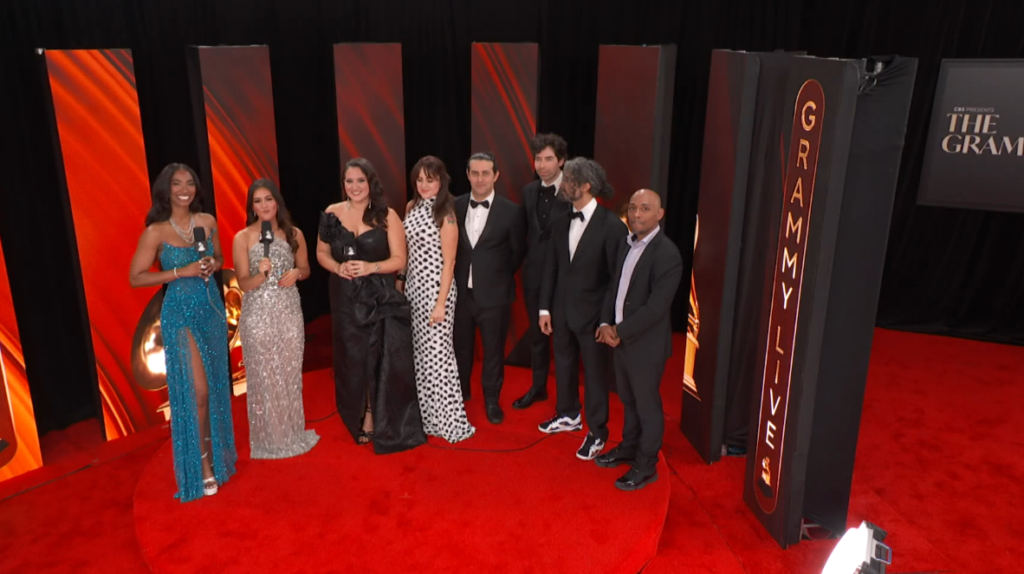
Earlier in the day, at 3:30 PM Eastern, the Premiere Ceremony begins. Most awards are given out during this pre-broadcast segment, which is frequently overlooked by casual viewers. It’s a more intimate, musically diverse chapter—recognizing genres, engineers, and talents that may not trend online yet impact the business remarkably.
By 6:00 PM Eastern, the red carpet becomes its own kind of show. Designers are discreetly highlighted. Hair and makeup teams, often working behind velvet ropes, pull off last-minute marvels. The press line moves like a choreographed machine—flashing lights, pre-rehearsed interviews, and real-time social media updates recording every glance.
This year’s performances will include an exceptionally poignant homage to Ozzy Osbourne, starring Post Malone, Slash, Duff McKagan, and Chad Smith. The collaboration points to a greater effort by the producers to cross eras. What could have felt nostalgic now appears very current, especially given rock’s recent return in digital settings.
The main broadcast will continue until 11:30 PM Eastern, with performances from Justin Bieber, Lady Gaga, Rosé, and Tyler, The Creator punctuating the night. Each contributes a unique emotional texture: Tyler’s genre-defying charm, Gaga’s orchestral theatrics, and Bieber’s simple pop. The lineup isn’t just stacked; it’s purposely dynamic.
In a highly creative move, all eight Best New Artist candidates will perform together in a combined presentation. That approach feels especially good for developing stars like Olivia Dean, Addison Rae, and KATSEYE, who could otherwise be overshadowed by larger performers. It’s a place carved out for discovery rather than repetition.
Trevor Noah’s sixth stint as host is more than ceremonial. By now, he’s weaved into the beat of Grammy night. His comedy lands between sharp and kind, strikingly akin to the delicate balance the event itself seeks to maintain between entertainment and recognition.
I recall seeing Billie Eilish’s eerie performance from a press riser backstage during the previous year’s performance. The lights faded to near blackness, but for a gentle blue beam that gave the entire arena a kind of stillness. It wasn’t just beautiful—it was anchoring.
In the context of broadcast television, the Grammys remain one of the few significant events that still capture real-time attention. Even though streaming has changed the way people listen to music, there is something timeless about witnessing a live event as a group. This year’s event, available concurrently on Paramount+ for premium subscribers, acknowledges that transformation without compromising the majesty of a traditional broadcast.
By promoting new categories like Best Traditional Country Album and Best Album Cover, the Recording Academy is nudging the event toward a slightly more inclusive celebration of artistry—both musical and visual. Even while these modifications may not seem like much, they show a desire to adjust.
For musicians like Kendrick Lamar and Lady Gaga, this year marks not just another set of nominees but an opportunity to establish a new sort of claim—one built not only on earlier success but continuing reinvention. Kendrick’s GNX is especially complicated; Gaga’s MAYHEM is incredibly theatrical. Though in quite different ways, both require attention.
Time remains the true scaffolding of the event. From the commencement of the Premiere Ceremony until the final trophy handed out at midnight, every moment is bracketed by anticipation. Whether you’re watching for winners, for performances, or simply to feel connected to a wider conversation, the format remains remarkably effective.
Even the red carpet’s timing, right before Los Angeles’s sun sets, seems to be intended for an emotional build-up. Even with a thousand cameras capturing that golden hour glow, it still produces an incredibly ambitious and cinematic effect.
In recent years, the Grammys have faced criticism—sometimes warranted—for being sluggish to change. But this year’s event, with its purposeful pacing and thoughtful sequencing, feels substantially improved. The addition of digital-only content, live social coverage, and integrated performances by nominees indicates a stronger sense of creative direction.
The number of streams may change. Viewer habits will alter. However, the Grammys still provide something unique for one night in early February: a moment of unanimity where performers, viewers, and the entire industry enter the same rhythm, even if it’s just for a few hours.
And actually, for a program that covers nearly four hours, it remains very efficient in delivering both moments of calm awe and group celebration.
Disclaimer
Nothing published on Creative Learning Guild — including news articles, legal news, lawsuit summaries, settlement guides, legal analysis, financial commentary, expert opinion, educational content, or any other material — constitutes legal advice, financial advice, investment advice, or professional counsel of any kind. All content on this website is provided strictly for informational, educational, and news reporting purposes only. Consult your legal or financial advisor before taking any step.
