

El 1 de noviembre es, por alguna razón, un día diferente a cualquier otro del calendario español. Es más tranquilo que el ajetreo de las fiestas de fin de año y la extravagancia de las fiestas de verano. Es el sonido de pasos lentos sobre la grava húmeda del otoño y el aroma de los crisantemos a la entrada de un cementerio.
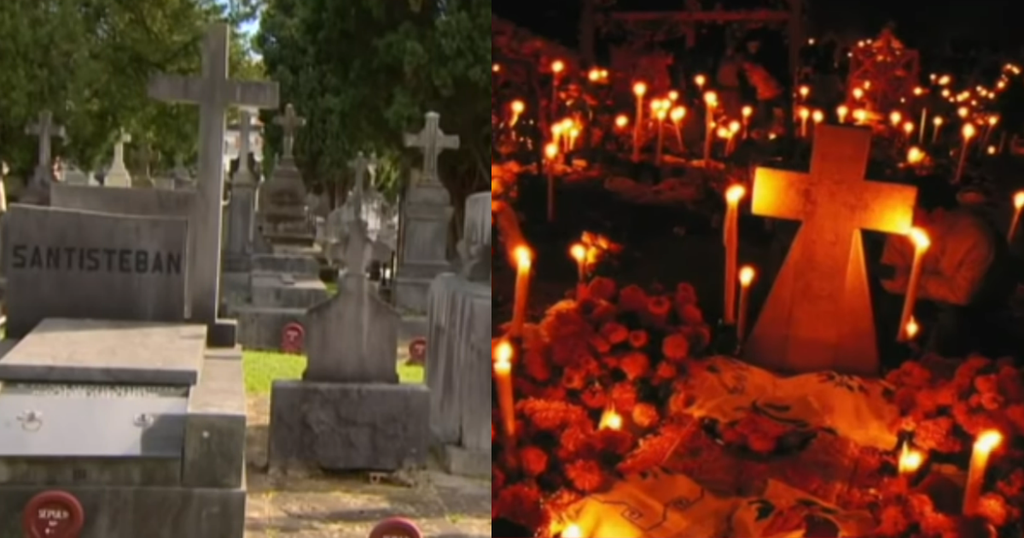
Desde que el papa Gregorio IV estableció oficialmente la fecha para toda la Iglesia católica occidental en el siglo IX, el 1 de noviembre se celebra como el Día de Todos los Santos. En el pasado, cada región lo celebraba de forma diferente; algunas lo hacían el 13 de mayo, mientras que otras lo hacían el domingo después de Pentecostés. El número de mártires había aumentado de forma tan espectacular durante las persecuciones romanas que ya no era posible dedicar un día concreto a cada uno de ellos, por lo que esta unificación no solo fue una decisión eclesiástica, sino también una necesidad práctica. Honrarlos colectivamente fue la solución, lo que, en cierto modo, dice mucho sobre cómo la Iglesia ha gestionado tradicionalmente la memoria colectiva.
Tabla de Información
| Campo | Detalle |
|---|---|
| Festividad | Día de Todos los Santos |
| Fecha | 1 de noviembre |
| Origen | Cristiano (siglo IV en Oriente; siglo IX en Occidente) |
| Fecha oficial fijada | Año 835, por el papa Gregorio IV |
| Día de la semana en 2026 | Domingo |
| Comunidades con lunes festivo (2026) | Andalucía, Aragón, Asturias, Canarias, Castilla-La Mancha, Castilla y León, Extremadura, Madrid y Navarra |
| Comunidades sin puente (2026) | Baleares, Cantabria, Cataluña, Galicia, Murcia, País Vasco, La Rioja, Comunidad Valenciana, Ceuta y Melilla |
| Tradiciones principales | Visita a cementerios, flores (especialmente crisantemos), encendido de velas |
| Dulces típicos | Panellets (Cataluña y Baleares), huesos de santo, buñuelos de viento |
| Festividad siguiente | Día de los Fieles Difuntos, el 2 de noviembre |
| Celebración en otros países | Festividad nacional en Alemania, Austria, Francia, Italia, Finlandia y otros |
| Relación con Halloween | El 31 de octubre es la víspera litúrgica del Día de Todos los Santos |
En España, se utilizan flores y dulces para simbolizar este recuerdo. Las familias encienden velas, cuidan las tumbas y visitan los cementerios. En Cataluña y en las Islas Baleares se elaboran panellets, unos pequeños dulces de mazapán que recuerdan la infancia y el aroma de las almendras. En otras zonas, los buñuelos de viento (buñuelos ligeros y esponjosos) o los huesos de santo pueden verse en los escaparates de las pastelerías con varios días de antelación. Aunque el comercio se ha hecho un hueco en esta festividad, su esencia sigue siendo muy unida, orientada a la familia y casi silenciosa.
La organización laboral se complica este año porque el 1 de noviembre cae en domingo. Para que los trabajadores y los estudiantes disfruten de un fin de semana largo de tres días, nueve comunidades autónomas —entre ellas Andalucía, Madrid, Aragón, Castilla y León— han decidido trasladar el día festivo al lunes 2. Cataluña y Galicia, así como las Islas Baleares y el País Vasco, no se han sumado a esta medida. El lunes va a ser un día como cualquier otro. Aunque la ley otorga a cada comunidad autónoma la potestad de tomar esta decisión, muchos residentes de esas zonas pueden sentir que han perdido algo sin haber hecho nada para merecerlo.
Los trabajadores que realizan turnos de lunes a domingo tienen derecho a una compensación cuando un día festivo coincide con su día libre habitual, según la Unión Sindical Obrera, un sindicato. El sindicato sostiene que un día de descanso semanal y un día festivo tienen objetivos diferentes: el primero sirve para la recuperación física, mientras que el segundo está destinado a participar en actividades cívicas y religiosas de la comunidad. Sin embargo, este tipo de compensación no es ni universal ni automática, sino que depende de las condiciones negociadas por cada empresa, del tipo de contrato y del convenio colectivo. Es el tipo de detalle que parece puramente técnico hasta que te afecta directamente.
Quizá una pregunta más profunda sea si el significado original de este día ha perdurado a pesar de toda esta controversia administrativa. Parece que sí, al menos en parte. Los cementerios siguen llenándose. Las familias siguen preparando dulces típicos de la época. Al igual que los primeros cristianos encendían velas cerca de las catacumbas romanas, todavía se encienden velas junto a las tumbas. Resulta difícil expresar esta continuidad en términos de cifras o directivas oficiales.
El 1 de noviembre es difícil de clasificar. Es más que una simple festividad más del calendario, aunque para muchos no sea estrictamente religiosa. Es un momento en el que nos tomamos un breve respiro de nuestra vida cotidiana para recordar a quienes ya no están. Y, independientemente de cualquier modificación en el calendario laboral oficial, parece que eso sigue siendo así, al menos por el momento.
