

The idea of spending six figures on a personal wellness regimen seemed excessive not long ago. It’s a flourishing healthcare niche today, catering to people who don’t want to age in silence. These longevity clinics provide biological resilience as a service, not spa days.
When you arrive at a facility like Fountain Life, you are greeted by a team of professionals who are trained to examine you on a molecular level rather than a waiting area. The list includes metabolic testing, genetic mapping, and advanced imaging. These clinics offer a wide range of services, combining state-of-the-art science with a lifestyle approach that appeals to high performers.
Methylation clocks, full-body imaging, and ongoing monitoring provide patients with a comprehensive biological snapshot. Instead of treating disease, the goal is to find tiny alterations well before symptoms appear. Doctors can detect early indicators of tumor growth, vascular stiffness, or hormonal imbalance months or even years ahead of time by using AI-driven diagnostics.
| Detail | Description |
|---|---|
| Concept | Exclusive, membership-based clinics offering longevity-focused care |
| Target Clientele | Ultra-wealthy individuals, including executives and celebrities |
| Services Offered | Full-body scans, genetic testing, biological age tracking, cellular therapy |
| Annual Cost | $100,000 to $250,000+ per year |
| Example Providers | Fountain Life, Human Longevity, Clinique La Prairie |
| Scientific Focus | Preventive aging, epigenetics, biomarkers, regenerative medicine |
| External Reference | Bloomberg: Billionaires Pay $100k for Longevity Clinics |
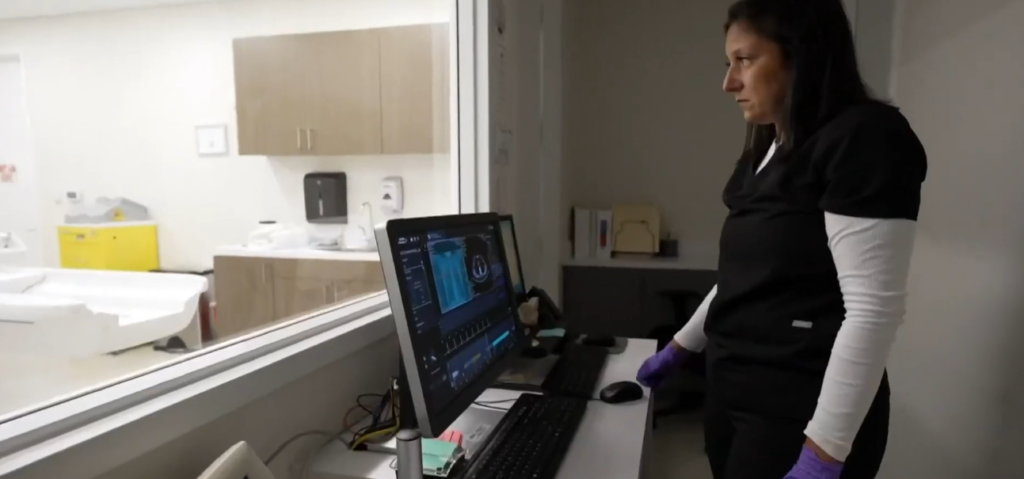
For instance, wealthy customers looking for cellular renewal now turn to Clinique La Prairie in Switzerland. Tens of thousands of dollars a week is spent on its programs, which combine clinical science with peaceful retreats. What’s especially novel is the combination of meticulous data collecting and lifestyle design—forest bathing meets biofeedback.
Like the medication, the business plan is deliberate. These clinics operate outside the traditional insurance institutions, which speeds up operations. Rigid procedures or out-of-date billing codes don’t restrict them. Rather, they create customized plans that are designed for each person’s genotype, lifestyle, and longevity objectives. These programs are frequently backed by endocrinologists, nutritionists, and AI health advisors.
Patients may spend hours conducting gut biome sequencing, cognitive performance tests, and cardiovascular imaging during the onboarding process. This abundance of data is used rather than merely retained. Real-time dashboards provide continuous optimization, personalized peptide therapies are provided, and nutraceutical regimens are created. It is the most individualized form of proactive care.
Even though they are unquestionably exclusive, these clinics are subtly influencing the potential future of healthcare. Similar to how early electric car users pushed battery research, the wealthy customers who pay for these services might inadvertently make it easier for the rest of us to access them. It’s simple to write longevity clinics off as exclusive playgrounds for the wealthy, but it ignores their function as precise health test beds.
The desire for age reversal has increased dramatically in recent years, resembling the fitness tracking craze. Silicon Valley’s initial interest in the field has grown into a worldwide enterprise that now draws both wearable technology companies and biotech behemoths. Intermittent fasting protocols, NAD+ therapies, and hormone optimization have transitioned from academic literature to practical application.
For health businesses in their early stages, longevity provides a particularly advantageous starting point. It enables them to collect data in regulated, highly compliant settings and test treatments. The exposure to treatments that might not be available in mainstream clinics for another ten years benefits the patients in turn. Some clinics are increasingly collaborating on the testing of novel compounds with pharmaceutical labs and universities through strategic collaborations.
In the consultation rooms, patients are frequently discussed in terms of metrics such as arterial elasticity, glycemic response, and telomere length rather than being referred to as ill or well. The language has changed. The concept of health is no longer binary. Optimizing a spectrum is necessary. Many clients come back on a quarterly basis to monitor progress, adjust regimens, and update plans. It’s not medication on demand. It’s progress in medicine.
However, there is societal strain. In a public system, one patient waits three weeks for a normal MRI, while another receives a $10,000 stem cell infusion to increase joint mobility. Ignoring the discrepancy is difficult. However, some clinics are now trying to expand their services by adding $500 biomarker tests or online consultations. Although it’s a modest beginning, it’s a noticeably better step toward accessibility.
More crossover is anticipated in the upcoming years. Assessments of biological age may be included in corporate wellness packages. Metabolic fitness could be rewarded by insurance companies. Based on chronotypes, sleep hygiene may be taught in schools. As long as the research keeps validating findings, there is a significant possibility for trickle-down.
Deeper concerns are also raised by longevity care. In the event that the effects of aging are considerably lessened, how do we rethink employment, retirement, and even identity? When your biology says differently, what does it mean to be “middle-aged”? These issues are economic in nature rather than merely philosophical.
Cultural perceptions of aging are changing. We now view it as a solvable equation rather than a slow capitulation. Remarkably successful marketing contributes to it by showcasing active septuagenarians and following 40-year-olds with organs that are 30 years old. This is the first time that aging is considered a performance metric.
Equal access to health care is still a long way off. However, these clinics provide a window into what may happen when ambition, science, and technology come together. And for people who enter their doors, the objective is to live young, meaningfully, and sharply—not just to live a long life.
Disclaimer
Nothing published on Creative Learning Guild — including news articles, legal news, lawsuit summaries, settlement guides, legal analysis, financial commentary, expert opinion, educational content, or any other material — constitutes legal advice, financial advice, investment advice, or professional counsel of any kind. All content on this website is provided strictly for informational, educational, and news reporting purposes only. Consult your legal or financial advisor before taking any step.
