

For many years, the aspirational middle class in India saw expensive European automobiles as untouchable dreams, trapped behind glass and burdened with import taxes. Things are starting to change. Significantly lowering import car tariffs is part of a recently concluded trade agreement between India and the EU, marking a historic and financially significant development.
Select fully constructed European automobiles will see a reduction in tariffs from an astounding 110% to only 10% beginning in 2027. However, only cars costing more than €15,000 are eligible for the discount, and the annual maximum is 250,000 units. Although it’s not a complete floodgate, it is a strategically significant gap in the wall.
By restricting the benefits to high-end vehicles and limiting the quantity produced, India is safeguarding its domestic automobile industry while improving urban consumers’ access to international brands. Professionals in places like Bengaluru or Hyderabad might view car ownership as more tangible and aspirational as a result of this change.
For companies that have long found it difficult to compete in India because of cost inflation brought on by tariffs, such as Mercedes, Audi, and BMW, this trade change is especially advantageous. These automakers are now in a more competitive position, possibly even competing with high-end Indian luxury vehicles that have dominated the ₹30–50 lakh market, thanks to the reduction of those duties.
| Key Detail | Information |
|---|---|
| Agreement | India–EU Free Trade Agreement (FTA) |
| Effective Year | Expected to begin early 2027 |
| Car Duty Change | Import tariffs on EU cars to drop from 110% to as low as 10% |
| Qualifying Vehicles | Only European cars priced above €15,000 (approx. ₹13.5 lakh) |
| Annual Quota | 250,000 vehicles eligible for reduced duty annually |
| Car Parts Tariff | Tariffs on parts to be phased out over 5–10 years |
| Domestic Industry Impact | Calibrated to protect Indian auto manufacturing |
| EU Access to India | Structured access for premium automakers under “Make in India” ecosystem |
| India Access to EU | Duty-free entry for Indian vehicles into EU markets |
| Reference | Reuters Report on India–EU FTA |
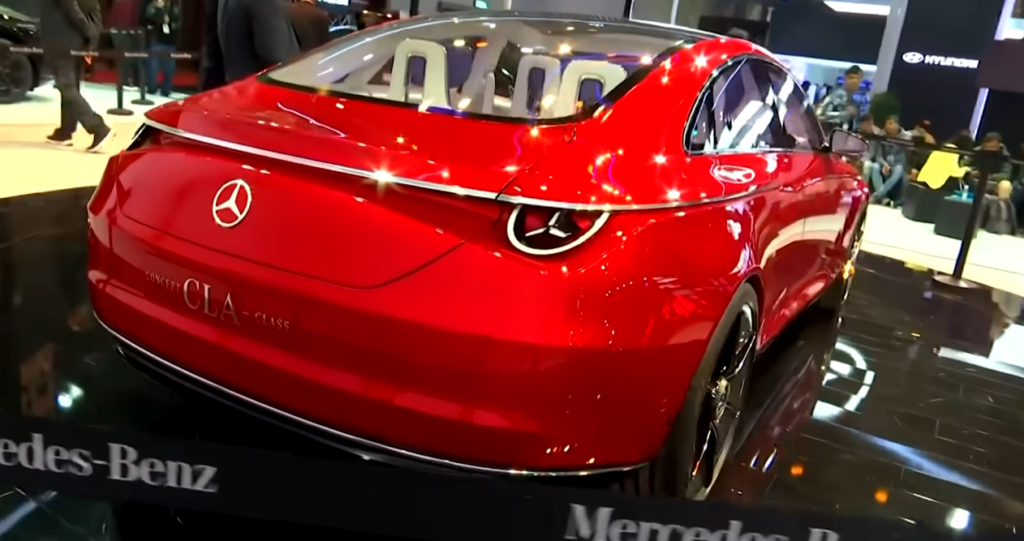
Phased duty elimination over the next ten years will also benefit European car parts suppliers. This encourages cooperation with India’s industrial corridors, especially those centered around Pune and Chennai, and boosts exports of EU components. Component manufacturers could speed up local assembly and supply chain innovation by forming strategic alliances.
The agreement is in line with India’s larger industrial agenda and is remarkably successful in its timeliness. It is especially creative to open certain pathways to EU engineering, technology, and parts as the nation strives to become a global manufacturing hub. It enables Indian companies to adopt cutting-edge capabilities without sacrificing core positions in the manufacturing of low-to-mid-range automobiles.
A new confidence that is evident in many of the businesses impacted by this deal is that India is no longer taking a defensive stance when it comes to trade. It’s choosing complexity, making sacrifices when they add value, and demanding equal access to markets. India gains zero-duty admission into the European market for its automobiles, particularly EVs and tiny cars, in return for lowering its automotive walls.
In terms of macroeconomics, this is very efficient. Budget-friendly four-wheelers and Indian two-wheelers already distinguish themselves by their cost-performance ratio. India’s exports could take off as European demand for reasonably priced, low-emission cars rises.
Although it won’t happen right away, the impact will be noticeable on the home front. Now, a family that used to dismiss European goods might go to a dealership with genuine hope. Those who previously preferred fully equipped Japanese sedans may now compare options from Ingolstadt and Stuttgart.
This agreement offers policymakers a multifaceted benefit. It fosters investment in India’s car manufacturing base, lowers consumer costs, and creates trade bridges. Local vendors may eventually find themselves manufacturing not only for Indian brands but also for a worldwide market. Because it changes ecosystems rather than just sales sheets, this type of scalability is more resilient.
Nonetheless, some people are cautious. Aware of pressure on prices, domestic manufacturers are keeping a careful eye on the rollout. Although European automobiles priced under €15,000 are not included, the changes in consumer psychology may have an impact on local automakers’ expectations for technology, safety, and design.
The arrangement is skillfully designed inside the framework of India’s Make in India campaign. EU automakers will probably have to assemble their vehicles locally if they want to target lower-tier markets or exceed the import quota. In addition to preserving local jobs, this encourages more R&D and assembly spending inside Indian borders.
Lifestyle areas are also impacted by noticeably better trade access. Reduced taxes on wine, olive oil, and processed foods indicate a little but significant increase in India’s urban consumption patterns. Premium pushes lifestyle goals across classes as it becomes more affordable, even in modest versions.
Personally, I think this is distinct from previous liberalization initiatives. It is organized, grounded, and precise to prevent chaos. Trade creates the conditions for balanced prosperity by enabling choices without requiring trade-offs.
By taking advantage of this agreement, India is not only getting access to commodities but also acquiring a place in international supply chains and changing its image from one of a tariff protector to one of an equal participant. A little lower sticker price may be the first indication of change for the typical consumer. On the trade trajectory of India, however, the change is more profound and long overdue.
Disclaimer
Nothing published on Creative Learning Guild — including news articles, legal news, lawsuit summaries, settlement guides, legal analysis, financial commentary, expert opinion, educational content, or any other material — constitutes legal advice, financial advice, investment advice, or professional counsel of any kind. All content on this website is provided strictly for informational, educational, and news reporting purposes only. Consult your legal or financial advisor before taking any step.
