

At the Ambani wedding, the lights seemed more like a proclamation than an illumination. A silent haughtiness hung from the chandeliers. Gowns swept by like a reinvented royal. Copy this, replicate immediately, seemed to be echoed by every camera light. And they did, all over India.
Pageantry has always flourished in Indian wedding tradition. But now, it has started to operate more like an algorithm, pulling information from Instagram and exporting visuals to racks in every neighborhood market. Each ceremonial section has its own clothing code, color requirements, and visual storyline, making these events, which frequently last up to a week, incredibly complex. A woman would frequently change five different dresses before the ceremony even starts.
A fast-fashion pipeline designed just for ceremonies has surfaced. Digital vendors, tailors, and designers have created a feedback loop that is ruthlessly responsive and incredibly effective. Supply chains enabled by technology and marketing that is based on emotion speed up the process. Days after a famous person’s wedding, knockoffs appear on store shelves; they are remarkably identical in style, remarkably reasonably priced, and made to shine under stage lights.
| Aspect | Detail |
|---|---|
| Cultural Phenomenon | Extravagant, multi-day Indian weddings |
| Industry Size | Estimated to involve millions of events annually |
| Economic Impact | Billions of dollars in apparel, decor, hospitality, and services |
| Fast Fashion Link | Cheap, mass‑produced wedding attire available nationwide |
| Environmental Concerns | High textile waste, carbon footprint, overconsumption |
| Social Drivers | Status signaling, peer expectations, social media influences |
| Reference Observation | High‑profile Indian weddings set trends for broader consumer behavior |
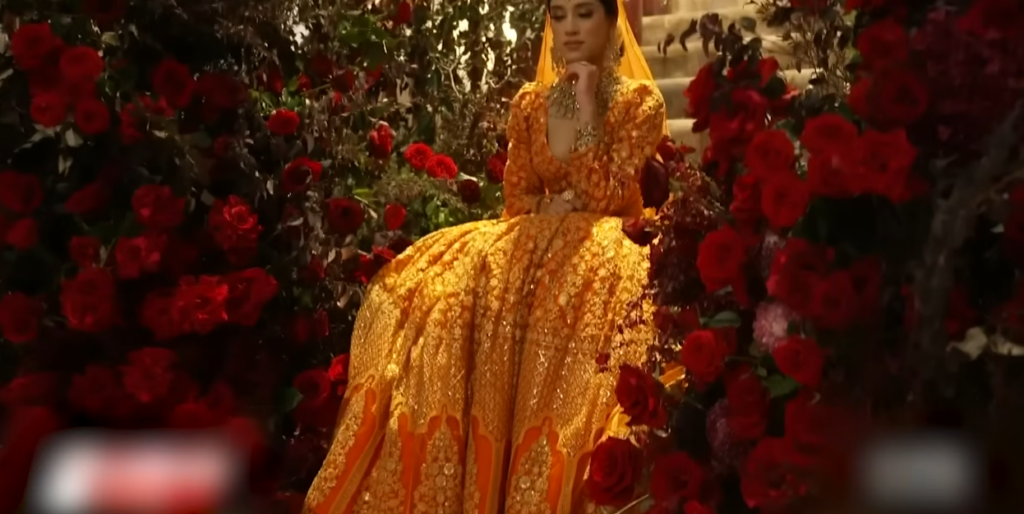
These ensembles are more than just clothing; they are declarations of prestige, familial pride, and well-penned excellence. After being worn once and extensively documented, they are folded into memory. However, they all add to an increasingly alarming cycle of textile waste and overproduction.
At one Surat bazaar, I noticed shelves of bridal dresses covered in sequins that clinked as they moved. Brides now request whatever Alia Bhatt or Kiara Advani wore most recently, according to a salesperson. He said that his tailors could complete large orders in days rather than weeks because they were much faster now. “People don’t wait,” he shrugged, pointing to a wall covered in glossy catalogs of fake lehengas.
Here’s where economics and passion clash.
In Indian families, weddings are still one of the rare occasions when individual restraint is subordinated to group legacy. The market, however, has been repackaging heritage into lifestyle more and more. The bride embodies aspiration in addition to tradition. Her clothing should convey ancestry and style awareness. This change is the result of changing expectations that have been influenced by business, algorithms, and imagery; it is neither coincidental nor superficial.
In front of a marigold-framed mirror, I observed a young woman correcting her hair during a pre-wedding photo shoot in Jaipur. She alternated between Instagram tales and Pinterest boards on her phone. “There must be a viral sensation,” she whispered. With a smile, her fiancé asked if she was referring about the wedding or the photo. That moment of indecision lingered. It appeared that even joy had become a problem.
Now, factories like Tirupur, Surat, and Ludhiana function with the agility of digital entrepreneurs, identifying surges in demand and releasing collections appropriately. Supply chains rush to fulfill orders while designers pour inspiration into AI-assisted templates. This fashion system is driven by emotional rewards, social pressure, and speed. However, every item of clothing made for this carousel runs the risk of being out of style by the next season.
The cost to the environment is now obvious. The synthetic materials and metallic embroidery used to make bridal gowns and groom’s sherwanis are rarely used again. They are too valuable to throw away yet too elaborate to be reused, so they are kept in boxes in closets. Cities struggle to handle the increasing amount of fashion waste generated by each wedding. The recyclability of these clothing is further reduced due to the fact that many of them are made from mixed fabrics.
However, alternatives are being developed.
Bengaluru and Mumbai are seeing an increase in the number of rental boutiques that provide high-end clothing at significantly lower prices. Nowadays, startups let brides trade or share their previously used gowns. Influencers on social media are pushing the idea of dressing in heirloom sarees that have been updated with contemporary blouses. These are minor changes, but they are especially encouraging since they reinterpret status as deliberate decision rather than excess.
Some designers that are progressive have adopted circular fashion. They use natural dyes, make clothing from recycled materials, and create narrative collections that link consumers to artisan communities. Even if their work is less popular, it introduces something uncommon: gorgeous yet deeply meaningful clothes.
Regulators and environmentally minded organizations are also making a subtle push. The environmental impact of weddings is currently being highlighted in awareness initiatives. Low-impact clothing alternatives, sustainable cuisine, and eco-friendly décor are all recommended for event planners. Bollywood has started moving in this way as well, sometimes portraying traditional attire or simple events as aspirational.
But it’s difficult to break established habits.
Social media perpetuates the notion that weddings must be spectacular with its endless scroll of well manicured perfection. A single photograph that goes viral might lead to a surge in imitation and purchases. The incentive mechanisms are obvious: beauty travels quickly but nuance seldom does. There are a hundred posts featuring hand-stitched clothing and canopies adorned with crystals for every simple wedding.
Recently, I witnessed a couple arguing between two sherwanis while strolling through Ahmedabad’s Law Garden business district. One had a lot of embroidery, while the other was very basic. The bride’s mother scowled when the groom grabbed for the subtle choice. “This one appears more affluent,” she firmly stated. He took another look and nodded. That exchange, which was full of compromise, silent surrender, and bargaining, perfectly encapsulated what weddings have become into.
In addition to being traditions woven into family identities, they serve as reflections of society aspirations and are increasingly at the forefront of fast fashion’s next frontier. They could be something else, though. It is possible to redesign, rethink, and repurpose them. They can celebrate thoughtfulness as much as luxury.
Maybe it’s time for families to express themselves at weddings with self-control, originality, and consideration for the future. Because there is a choice behind every gorgeous ensemble. One lehenga, one lens flare, one intention at a time—every decision has the potential to change our values.
Disclaimer
Nothing published on Creative Learning Guild — including news articles, legal news, lawsuit summaries, settlement guides, legal analysis, financial commentary, expert opinion, educational content, or any other material — constitutes legal advice, financial advice, investment advice, or professional counsel of any kind. All content on this website is provided strictly for informational, educational, and news reporting purposes only. Consult your legal or financial advisor before taking any step.
