

It seems like a minor annoyance when it first occurs. You receive an email from Instagram informing you that someone has asked to change your password. Since you did not initiate the request, you disregard it. However, it then occurs once more. Once again. Three times in a single day at times. It eventually ceases to feel arbitrary.
Across several platforms, there has been a discernible increase in these emails in recent days. Users have been asking the same questions in Reddit threads: should I be concerned and why does this keep happening? To put it succinctly, not always. The longer one, however, is worth investigating.
Instagram has discreetly addressed the problem, saying that password reset emails might be sent when someone intentionally tries to access your account or mistypes their username or email. Though the second’s motivation is obviously more worrisome, both are believable. The difference between a systematic data scrape and a bored kid guessing usernames isn’t always clear from a single message. Repetition, though, may be a hint.
A leak that allegedly involved 17.5 million Instagram accounts has been tangentially linked to the recent rise. Although there are still little details available, security analysts think that malicious actors might be testing the compromised data by starting password reset procedures, observing which emails are legitimate, and then organizing focused phishing or brute-force operations. In essence, the emails serve as digital sonar, pinging your inbox to see if anyone else is paying attention.
| Issue | Explanation |
|---|---|
| Repeated Reset Emails | May be triggered by accidental username/email mistypes or intentional hacking attempts |
| Instagram’s Position | Not necessarily a hack; emails only come from @mail.instagram.com |
| Recent Events | Surge linked to leaked account data of 17.5 million users, according to reports |
| Common Threat | Phishing scams mimicking real Instagram emails to steal credentials |
| Action Step | Avoid clicking links in suspicious emails; change your password from the app directly |
| Official Help | https://help.instagram.com |
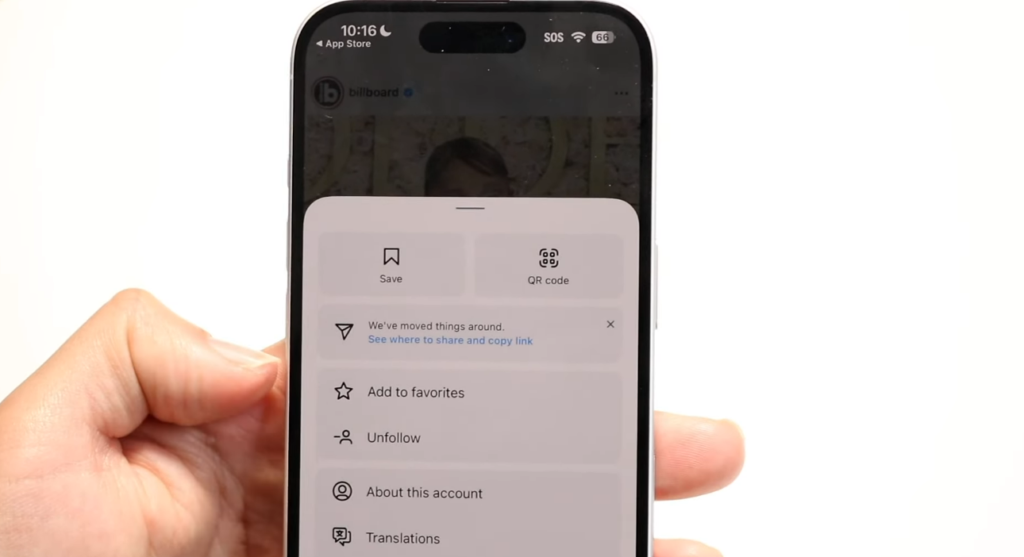
The letters frequently appear to be entirely genuine, which makes it especially unsettling. Instagram timing, language, and branding are all expertly done. Real and fraudulent messages elicit the same emotional response, which is remarkably similar: perplexity, anxiousness, and a subdued feeling of being watched. That is what the con artists rely on. Clicking on the incorrect link could lead to a phishing page that is intended to steal your credentials, particularly if the link appears in a lookalike email that seems like a legitimate password reset email.
On the other hand, authentic Instagram emails consistently originate from @mail.instagram.com. When you start looking through questionable texts, this seemingly insignificant detail becomes quite evident. It’s safer to avoid clicking links straight from emails if you’re dubious. Instead, manually type the webpage or use the Instagram app. Resetting your password should only be done using a safe method you initiated, not one that was sent to your email without your consent.
Two-factor authentication (2FA) continues to be one of the most strikingly successful defenses against these kinds of attempts. Instagram users can use an authentication app or SMS to activate 2FA. Even if SMS can be intercepted from time to time, using 2FA completely lowers your susceptibility by adding a second layer of protection. For the majority of users, turning on 2FA is quicker than brewing coffee, and it may keep someone from accessing your account while you’re asleep.
These automated reset attempts are fast, impersonal, and silent, according to a software engineer I spoke with last year who compared them to someone testing doorknobs on a street. Finding an unlocked access point is what it is, but it is not always a full-scale break-in effort. I was particularly struck by the similarity when I got five emails asking me to reset my password in one afternoon.
The use of context in the new phishing techniques is really creative. Nowadays, some phony emails use recent news about security flaws or leaks as justification to ask you to “verify your account.” Some suggest that your account has been reported, or they pretend to give assistance. When you click the link, you are taken to a page that remarkably resembles the Instagram login screen, but it isn’t. It’s a carefully crafted copy.
Instagram’s efforts to identify and stop coordinated assaults have been bolstered by strategic alliances with cybersecurity companies. However, maintaining digital security is always a shared duty. It’s crucial for early-stage content creators, influencers, and even casual consumers to recognize the warning indications of a phony reset email. It serves as a reminder that persuasion rather than raw force is the most prevalent method of hacking.
Reviewing your account access might be necessary if you’re getting emails about resets frequently. All of the devices that are currently linked to your account are visible via the Instagram app. Anything that appears strange should be taken out right away, especially if it comes from another city or nation. It’s a straightforward check, but it’s very effective in exposing covert access attempts.
Of course, this isn’t just about Instagram. It’s likely that your Instagram account is connected to an email, which may be connected to shopping, banking, and other things. Others often fall like dominoes once one digital persona is in charge. Because of this, even a password reset email that you didn’t request should be handled carefully to avoid a bigger issue.
Better digital practices, such as frequent password changes, two-factor authentication, and a healthy dose of skepticism, help us incorporate resilience into our everyday routines. We don’t have to become cybersecurity specialists. However, we must no longer dismiss online alerts as background noise.
It’s not a sign that you’ve been hacked if you get a reset email. However, disregarding recurring ones or dismissing them as spam could leave the door somewhat open. The next time you see one in your inbox, take a moment to consider removing it. The difference between an innocuous message and a much larger breach might be that one click.
Disclaimer
Nothing published on Creative Learning Guild — including news articles, legal news, lawsuit summaries, settlement guides, legal analysis, financial commentary, expert opinion, educational content, or any other material — constitutes legal advice, financial advice, investment advice, or professional counsel of any kind. All content on this website is provided strictly for informational, educational, and news reporting purposes only. Consult your legal or financial advisor before taking any step.
