

Sometimes the effects of isolation on the body are invisible. There are no overt signs that something is changing underneath the surface. However, loneliness softly but deeply starts to change the immune system’s laws at the molecular level.
A primitive stress response is the first step in this metamorphosis. The conserved transcriptional response to adversity, or CTRA, is a physiologic state that is triggered by loneliness. It’s a deeply rooted response that, while amazingly effective at preparing the body for physical threats, is noticeably out of step with the emotional suffering associated with loneliness. The body unintentionally prepares for harm rather than strengthening viral defenses.
Researchers have noticed a recurring pattern in these reactions: an increase in inflammatory markers, such as interleukin-6 and tumor necrosis factor-alpha, combined with a decrease in the expression of genes that normally fend off viruses. The body lowers its defenses against diseases that do occur while preparing for wounds that never occur.
These effects have been shown in several research, thus they are not merely theoretical. According to a long-term UCLA investigation, people who are lonely not only did not respond well to the flu shot, but they also had immunological profiles that were remarkably comparable to those of those who have experienced physical trauma under a lot of stress. This imbalance eventually increases the risk of neurodegeneration, delayed recovery, and cardiovascular disease.
Stress chemicals like cortisol flood the body through an overactive HPA axis. They were first intended to reduce inflammation, but when immune cells change and grow less sensitive, they lose some of their effectiveness. What ought to be a temporary emergency response becomes a low-grade, ongoing fire that never completely goes out.
| Feature | Description |
|---|---|
| Core Finding | Loneliness alters immune system chemistry through stress-induced gene expression |
| Key Mechanism | Activates CTRA: Conserved Transcriptional Response to Adversity |
| Resulting Effects | Increased inflammation, weakened antiviral response, hormonal imbalance |
| Notable Markers | Elevated IL-6, TNF-α, CRP; decreased antiviral gene activity |
| Psychological Link | Hyper-vigilance and social withdrawal form a feedback loop |
| Real-world Impact | Higher risks of heart disease, infection, cognitive decline |
| Key Researchers | UCLA, University of Chicago, NIH, Ohio State University |
| Supporting Link | ScienceDaily |
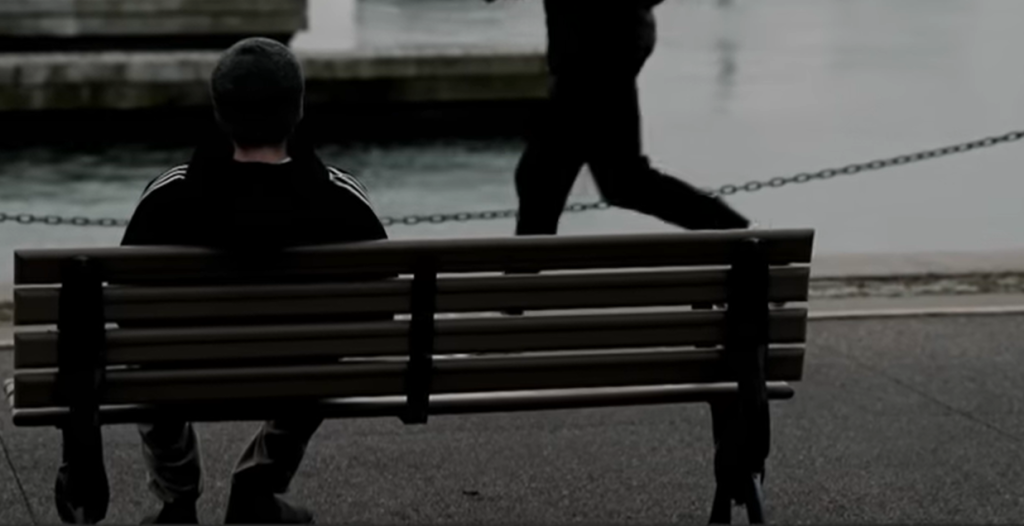
Researchers found that those who reported high levels of loneliness had more immature monocytes (cells that promote inflammation rather than heal) in their white blood cells. It is a physiological change that impacts the structure of the immune system and goes beyond a simple psychological condition.
The way this bodily state alters perception is the more alarming revelation. The mind may start to misinterpret social cues as these immune-related changes worsen, perceiving neutral encounters as dangerous. The very isolation that started the process is reinforced by this changed perception, which heightens social defensiveness.
I recall reading about an old man in Chicago who had cognitive deficiencies and rising blood pressure, according to his doctor. It wasn’t explained by any new diagnoses until a nurse discovered he hadn’t spoken to anyone in weeks and had lost contact with his religious group. In addition to loneliness, he experienced a discernible deterioration in his immune system, which was reversed after he reconnected with that group.
This incident demonstrates how a medical intervention can involve emotional attachment. For this reason, scientists are increasingly advocating for loneliness to be acknowledged as a clinical problem as well as a social one, one that may be treated with the same gravity as diabetes or hypertension.
Isolation was frequently mentioned in relation to mental health during the epidemic, but it was more difficult to monitor the immune toll in real time. In addition to the psychological pain of separation, many people were also seeing invisible changes in their bodies’ defenses against illness. Researchers that followed isolated people discovered that their immunological profiles showed stress levels that are frequently linked to PTSD or caregiving.
Simian immunodeficiency virus (SIV) replication was accelerated in monkeys housed in social isolation in one study, indicating that this immunological change is not exclusive to humans. The similarities were especially eye-opening and raised further concerns about the impact of long-term isolation on biological aging.
The positive aspect of this story is that the immune system is highly adaptive even though it is susceptible to isolation. Many of these immunological aberrations can be greatly diminished by planned social interventions, such as support groups, virtual connection platforms, and therapy aimed at reestablishing trust.
Researchers have paved the road for future public health initiatives by defining loneliness as an immunometabolic disorder. This change presents a very novel approach to preventative medicine, implying that strengthening community relationships may become as commonplace as giving statin prescriptions or dietary recommendations.
Even little actions, such as going to a community breakfast or joining a local walking group, have been found to boost the immune systems of older people, particularly those who live alone. These are very effective instruments for reestablishing bodily balance, not merely enjoyable social extras.
Loneliness is “a social pain that uses the same pathways as physical pain,” according to one University of Chicago researcher. Although depressing, that statement sheds light on why long-term detachment causes such intense pain and why, astonishingly, the body reacts as if it has been injured.
This new insight encourages us to view connection as a need rather than a luxury. If social links influence our immune systems, then strengthening such ties becomes a public good rather than merely a matter of personal preference. The effects of loneliness could be significantly reduced with better-designed policies, especially those that support local activities and intergenerational care.
Medical research has gradually changed its perspective on isolation over the last ten years, viewing it as a cause in and of itself rather than a sign of something else. Furthermore, it is now impossible to distinguish between physical health and emotional dissociation due to the overwhelming biological data that is available.
Even if loneliness may come subtly, the body can clearly hear it.
Disclaimer
Nothing published on Creative Learning Guild — including news articles, legal news, lawsuit summaries, settlement guides, legal analysis, financial commentary, expert opinion, educational content, or any other material — constitutes legal advice, financial advice, investment advice, or professional counsel of any kind. All content on this website is provided strictly for informational, educational, and news reporting purposes only. Consult your legal or financial advisor before taking any step.
