

The voice of Chris O’Connor lacked polish. It wasn’t made for the radio. But it might have worked because of it. He delivered stories with a certain sincerity that hardly survives outside of late-night talks or treatment group rooms; they were cut with comedy, scratched by experience, and wrapped in a certain honesty. He wasn’t acting as though he was fixed. He was not playing a role.
When the Dopey Podcast first began, its goal felt almost rebellious. Recovering IV heroin users Chris and Dave Manheim have no interest in sterilized life lessons or soft-focus recovery experiences. The thing that had almost killed them was something they wanted to laugh at. They wanted to share the tales that others were either embarrassed or scared to share aloud.
They developed a devoted, quirky community for more than two years. One tale at a time. The pair’s disarming humor and the wild craziness of their pasts provided solace to listeners, many of whom were battling addiction themselves. They referred to it as “drugs, addiction, and dumb shit”—a catchphrase that belied the complexity that frequently hid just behind each joke.
Chris was incisive throughout the episode, frequently fusing sarcasm with unexpectedly vulnerable moments. He wasn’t beyond calling out the absurd reasoning for addict conduct or making fun of himself for stealing cough medicine. Occasionally, however, a sentence would veer off into a more subdued passage. Something more substantial. Those were the memorable moments.
In hindsight, the weight of his last episodes was different. He sounded worn out in ways that weren’t quite physical. His tone had changed and the spark was flickering, according to posts made by listeners years later. But, regrettably, hindsight is always accurate. Chris had a relapse. He passed away after a fentanyl overdose in July 2018.
| Detail | Description |
|---|---|
| Full Name | Chris O’Connor |
| Known For | Co-host and co-creator of the Dopey podcast |
| Podcast Theme | Stories of addiction, recovery, and dark humor |
| Years Active | 2016–2018 (Co-hosted 142 episodes before his death) |
| Cause of Death | Fentanyl overdose, July 2018 |
| Legacy | Revered voice in addiction storytelling, often remembered in Dopey episodes |
| Source | Dopey Podcast – Official Website |
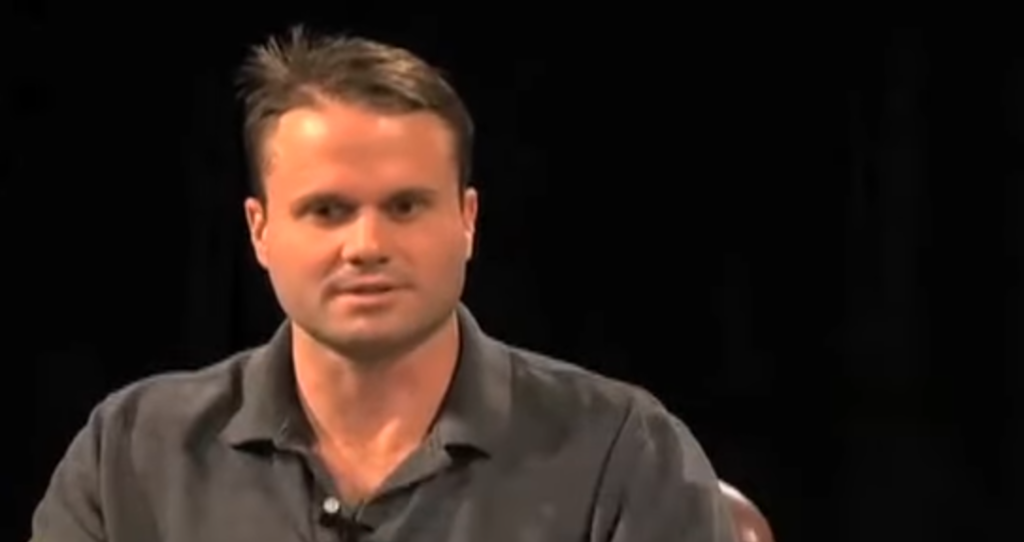
The Dopey Podcast’s social media accounts were rocked by the news. The loss of a host wasn’t the only thing. For many people, the silence of one voice had made their own seem worthy of being heard. Chris wasn’t a therapist or a rehab coach. He was only being truthful. And until it wasn’t, that seemed plenty.
Dave had to decide whether to continue the podcast in remembrance of him or to terminate it with grief after his passing, which must have felt like an unfathomably painful decision. He went with the latter. And in doing so, changed Dopey’s identity.
It seemed unsteady at first, which makes sense. People weren’t turned off by the messiness of the first few solo episodes. They, if anything, increased the project’s appeal. Dave showed his pain. Without transforming the podcast into a memorial, he leaned into it to make room for Chris’s memory. It was still sardonic, occasionally extremely inappropriate, but unquestionably more aware of the stakes.
Chris’s influence has persisted throughout the show. Fans continue to repeat and frequently reference his voice in “classic” episodes. Listeners commemorate the anniversary of his passing with candles, remarks, and throwback listens as part of a commemorative ritual called ChrisMiss, which takes place in July. For a show that never sought to be taken too seriously, it’s an oddly lovely custom.
Annie, Chris’s fiancée, talked about his last days during one of those memorial shows. Her story was packed with the silent fear of witnessing someone fail, and it was painfully personal. She talked with the somber certainty of someone who saw the wave coming and was powerless to stop it, rather than with resentment.
I still remember that show, particularly the bit where she talks about how natural everything felt until it didn’t. It made me think about how addiction can go unnoticed, even by those closest to you.
The show changed in spite of the destruction. It made room for a wider variety of voices, both well-known and unnamed, who shared tales of active addiction as well as recovery, harm reduction, and the tangled middle ground in between. It turned into a traveling confessional of sorts, documenting both laughter and suffering equally.
Dopey’s strategy differs significantly from conventional sobriety content. It doesn’t elevate sobriety, but it also doesn’t elevate addiction. Rather, it provides companionship to those who are attempting—and often failing—to survive. The fact that even the most hilarious person in the room can be drowning is demonstrated by this. You are not a failure because of the relapse. And that discussing it could perhaps save someone else.
The effect of the event has significantly increased over the last few years. With appearances on shows like This American Life, Dopey has remained surprisingly grounded while reaching a far larger audience. Even though one of those voices is now limited to recollections and old recordings, it still sounds like two buddies laughing on a couch.
It is uncommon for a podcast to serve as both a source of amusement and a source of support, but Dopey does just that. The community was not broken by Chris’s passing; rather, it became more focused. The program evolved into a place where pain and happiness coexist, where sobriety and relapse are viewed as components of a complicated spectrum rather than as moral judgments.
Many listeners claim that the broadcast makes them feel less isolated. For many, Chris was the first to discuss addiction openly and without apology or a script. You don’t intend to leave that legacy. Simply by being who you are, you unintentionally leave it behind.
Disclaimer
Nothing published on Creative Learning Guild — including news articles, legal news, lawsuit summaries, settlement guides, legal analysis, financial commentary, expert opinion, educational content, or any other material — constitutes legal advice, financial advice, investment advice, or professional counsel of any kind. All content on this website is provided strictly for informational, educational, and news reporting purposes only. Consult your legal or financial advisor before taking any step.
