

The ByHeart baby formula recall started out as a preventative measure but swiftly turned into a national trial of corporate responsibility, communication, and trust. Following several infant botulism cases connected to products potentially associated with the company by federal investigations, the voluntary decision to recall all batches of ByHeart Whole Nutrition Infant Formula was made public. The risk was significant enough to lead to one of the most extensive formula recalls in recent history, even though officials stressed that no toxins had been directly discovered in ByHeart’s products.
It makes sense that parents who had embraced ByHeart’s cutting-edge, scientifically based approach to baby nutrition were dismayed. Many spoke of being caught off guard, not only by the possible contamination but also by the uncertainty of what might happen next. Although prompt refunds were promised, many families have found the process to be quite difficult. The official ByHeart advice was straightforward: stop using the product, take a picture of the batch number on the bottom of the can, and contact the company via phone or email to request a refund. In reality, however, thousands of people were left anxiously awaiting recognition.
Parenting forums such as Reddit’s r/FormulaFeeders saw a flood of stories from new parents balancing the care of their infants with financial stress. When the recall occurred, one parent revealed that she had just purchased six cans during a promotional sale. She stopped using the formula right away, but she still hadn’t gotten her money back. Long call lines, unanswered emails, and delayed responses were all shared by others. Families with limited funds were especially irritated because each can can be a substantial expense for them.
| Category | Details |
|---|---|
| Company | ByHeart Inc. |
| Industry | Infant Nutrition Manufacturing |
| Founded | 2016 |
| Headquarters | New York City, United States |
| Co-Founder & President | Mia Funt |
| Product Affected | Whole Nutrition Infant Formula (All batches, including Anywhere Pack™) |
| Recall Date | November 11, 2025 |
| Cause | Suspected Clostridium botulinum contamination (linked to infant botulism outbreak) |
| Refund Contact | hello@byheart.com or (833) 429-4327 |
| Reference Source | FDA – ByHeart Recall Update |
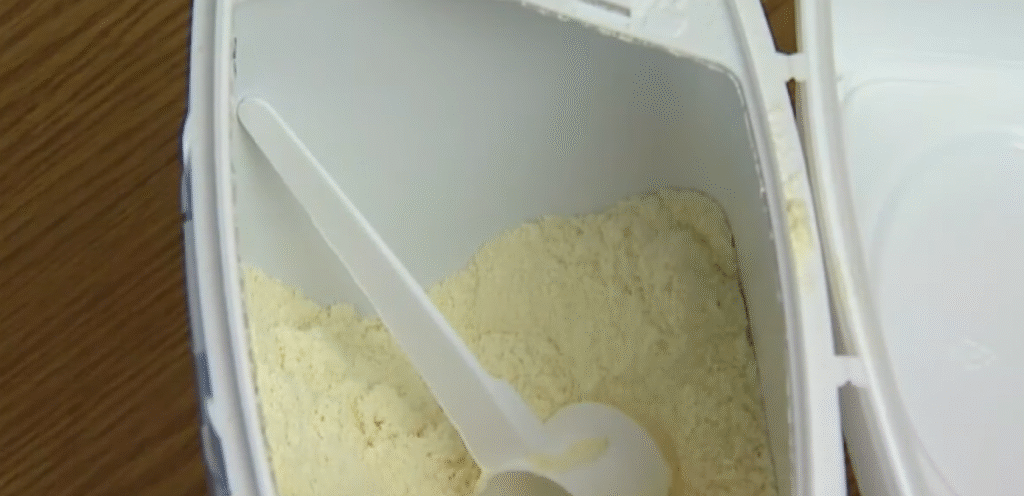
The customer service representatives at ByHeart were obviously overworked. Refund and safety questions flooded the brand’s inbox and 24/7 hotline. However, after persistent follow-ups, some users reported eventually receiving refunds or replacements, indicating that progress was being made, albeit slowly. Co-founder Mia Funt made statements in the company’s Instagram posts, which aimed to allay concerns. She wrote, “As a mother myself, I take this responsibility very seriously.” “Not because toxins were discovered, but rather out of a sense of caution, we decided to recall.” Although her message was incredibly sincere, many parents questioned whether caution had arrived too late.
Families have been severely impacted financially by the recall. Due to the high cost of formula, many parents bought in bulk during ByHeart’s sales earlier in the year. Formula worth hundreds of dollars was suddenly worthless since every can was now considered dangerous. Some families resorted to their banks, submitting complaints to the Federal Trade Commission or starting chargebacks. Others relied on store return policies; according to reports, stores like Walmart and Target provide prompt refunds even in the absence of receipts.
Once founded on openness and evidence-based treatment, ByHeart’s reputation was now put to the ultimate test. The recall brought up important issues regarding how new formula brands balance safety regulations with innovation. ByHeart had spent years establishing a reputation as a parent-run business with strict quality control, frequently presenting itself as a more wholesome and reliable substitute for major corporations such as Similac or Enfamil. However, even that foundation of trust felt brittle when a crisis struck.
The recall brought back memories of the 2022 formula shortage that followed Abbott’s production halt, according to the industry as a whole. Parents became extremely cautious as a result of that incident, and with good reason. It changed the way consumers perceived supply and safety. Despite its smaller scope, ByHeart’s recall tapped into persistent concerns about formula companies’ ability to actually ensure purity in manufacturing.
The public was quickly reassured by health authorities. The FDA and the Massachusetts Department of Public Health stressed that there was no chance of a new shortage and that ByHeart accounted for less than 1% of the national formula market. However, the psychological effects on parents were significant. Following the news, many people started looking into substitutes like Bobbie, Kendamil, and Kabrita, which saw observable increases in sales. Parenting influencers started talking about consumer awareness, brand responsibility, and the psychological effects of recalls that impact a product as personal as baby food.
As a result of this chaos, the recall refund procedure came to represent something more significant: the precarious equilibrium between public trust and business ethics. Parents were requesting assurance that their trust had not been betrayed, not just their money back. As safety recalls become more frequent, especially in sectors related to children’s health, businesses are realizing that promptness and sincerity of response are just as important as the recall itself.
Despite its executional flaws, some legal experts think ByHeart’s strategy exhibits a unique level of moral responsibility. The company might have avoided more harm if it had voluntarily expanded the recall before federal mandates required it. Others contend that increased openness regarding production supervision might have greatly lessened criticism. Extremely clear communication that is factual, sympathetic, and instantaneous is frequently more valuable than post-event public relations statements.
The ByHeart recall has brought attention to how social media is changing corporate accountability in ways that go beyond logistics. Platforms like Instagram and Reddit became the public’s main source of updates within hours of the initial recall announcement. In real time, parents held the brand accountable by comparing lot numbers, exchanging refund advice, and working together. Even caregivers who live far from traditional news sources were able to obtain critical safety information thanks to this interconnected vigilance, which has proven to be incredibly effective in raising awareness.
The story’s emotional component is still very much present as refund requests are being handled. Parents talk about feeling torn between fatigue and relief. Many have decided to permanently switch to other brands, significantly reducing their faith in ByHeart. The company’s readiness to recall all products, including those outside the tainted batch, however, demonstrates accountability rather than denial, according to some, who express cautious optimism.
Disclaimer
Nothing published on Creative Learning Guild — including news articles, legal news, lawsuit summaries, settlement guides, legal analysis, financial commentary, expert opinion, educational content, or any other material — constitutes legal advice, financial advice, investment advice, or professional counsel of any kind. All content on this website is provided strictly for informational, educational, and news reporting purposes only. Consult your legal or financial advisor before taking any step.
